
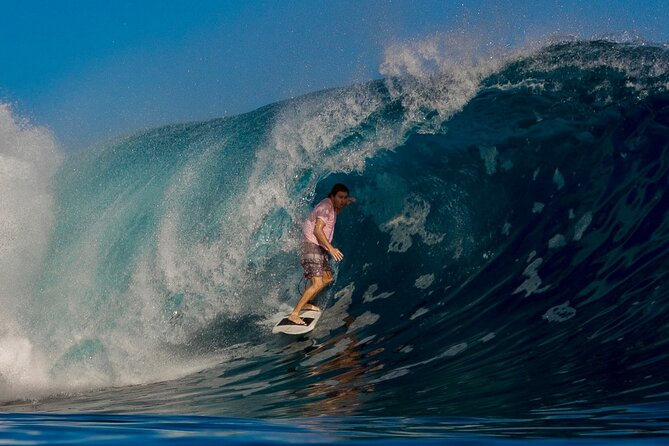
Reviewed · MAUI SURF LESSONS
2-Hour Surf Lessons with a Pro
You can learn Maui waves in just two hours. I like this lesson for the small-group setup and the way the team works hard to get you into the water fast.
The big selling point is group size (max eight), so you’re not lost in a crowd. The possible catch: there’s at least one report of a no-call/no-show, so it helps to confirm the day’s plan if something feels off.
What also makes this feel worth your time is the split: only about 15–20 minutes on land, then you spend the rest riding waves. And the coaching is meant for all levels, from first-timer to someone who wants better technique. One drawback to keep in mind is the experience depends on good weather, so day-of changes can happen.
Key highlights in plain language
- Max eight people means more coaching touches, less waiting around
- About 15–20 minutes on land, then mostly time in the water
- Instructor-led wave choice based on conditions and your surfing level
- Safety + basic instructions first, plus the history of surfing talk
- English instruction with pro instructors who’ve been riding Maui’s waves since childhood
In This Review
- A Maui surf lesson that’s built for time in the water
- Meeting on Honoapiilani Highway (HI-30) and what you should plan for
- On land first: safety, basics, and the story behind surfing
- Finding the best Maui waves for your level
- What you’ll actually do in the water (and why instruction matters)
- Group size: why max eight can make or break a lesson
- Weather changes, and one real reliability concern to take seriously
- Practical value: who this suits best
- Tips to get more out of your 2-hour session
- Should you book 2-hour Surf Lessons with a Pro in Maui?
A Maui surf lesson that’s built for time in the water
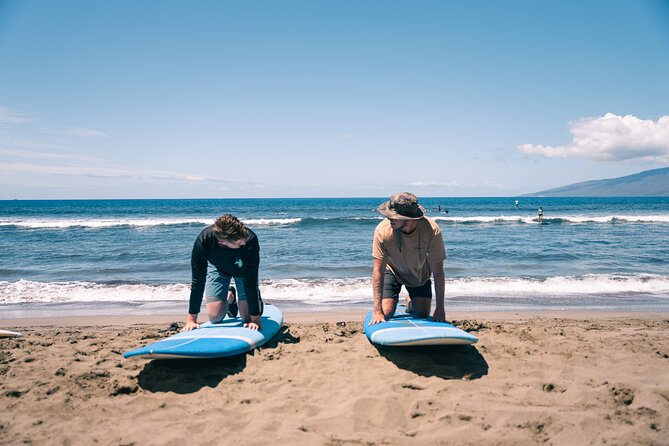
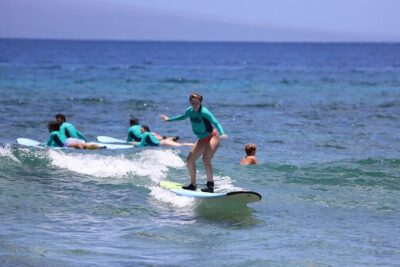
This is a 2-hour surf lesson on Maui designed to work for a wide range of skill levels. Beginners get the basics and a safety game plan. More experienced surfers get help refining what they’re already doing.
The part I appreciate most is the ratio. You’re not sitting through a long lecture. You get a short land session covering instruction and safety, then you’re out there trying to stand and ride. That matters because surfing is a learn-by-doing sport. You’ll get more reps in two hours than you would in a longer, more classroom-heavy format.
Also, the small group size (up to eight) changes the vibe. You’re more likely to get direct pointers in real time, and you’re less likely to spend half the lesson watching other people succeed. It’s the difference between getting feedback and getting a pep talk from afar.
Still hoping to stand up? More Maui surf lessons
- Outrageous Surf ScHool Lesson on Lahaina Side★ 4.5 · 547 reviews
- Group Surf Lesson at Kalama Beach in Kihei★ 5.0 · 264 reviews
- Maui Lahaina Group Surf Lesson★ 4.9 · 235 reviews
- Private Surf Lesson for Two Near Lahaina★ 5.0 · 189 reviews
Meeting on Honoapiilani Highway (HI-30) and what you should plan for
The session meets on Honoapiilani Highway HI-30, Hawaii, USA. The activity ends back at the meeting point, so you’re not dealing with a complicated drop-off and pickup puzzle.
You’ll also want to plan around the typical “confirmation at booking” flow. You should receive confirmation at the time you book, and the tour uses a mobile ticket. That’s convenient, but I’d still make sure you can access it offline once you’re on the island.
A final thing to consider: this has a note for moderate physical fitness. That doesn’t mean you need to be an athlete. It does mean you’ll likely be working your body—paddling, getting in and out of the water, and generally moving more than a typical sightseeing activity.
On land first: safety, basics, and the story behind surfing
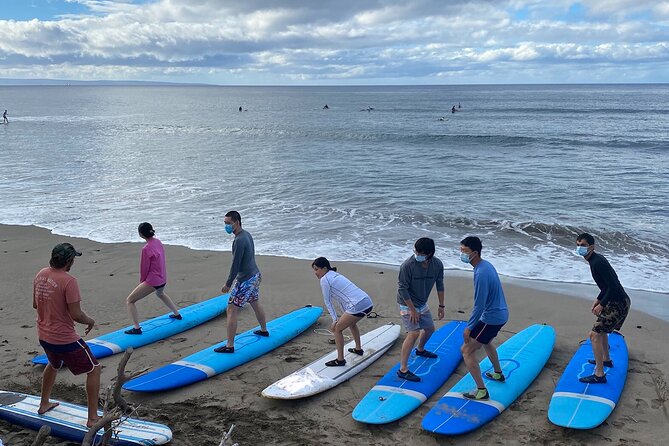
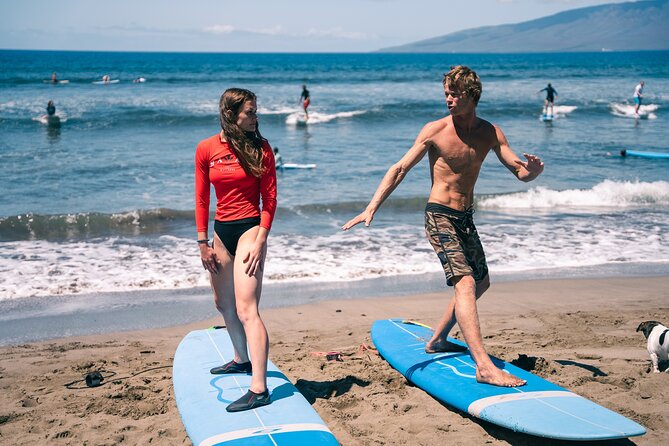
You’ll spend 15–20 minutes on land before you hit the water. In that time, you’ll go over basic instructions and safety. This is where you get the rules of the ocean for a beginner-friendly lesson—how to move responsibly, what to watch for, and how to avoid turning your session into a chaotic group scramble.
What’s interesting here is that they also cover the history of surfing as part of the orientation. Even if you’ve heard a few surf facts before, it changes the experience. It gives you a sense of context while you’re waiting for the waves to be right for your level.
This land time is short on purpose. You’re not there to become an ocean professor. You’re there so you can learn faster once you’re paddling for real.
Finding the best Maui waves for your level
Here’s how the day is handled: they check conditions for the day and then select the best spot on the island based on where you fit as a surfer.
That’s a big deal. Maui can deliver waves that range from friendly to intimidating, and the “right” location changes with swell, wind, and crowd. Picking the spot for your skill level is what helps beginners avoid getting overwhelmed while giving more advanced surfers a chance to actually work on technique.
So the process looks like this:
- conditions are evaluated
- the team matches the wave setup to your level
- you go where you can ride more consistently
This is also one reason the experience can feel different from lesson to lesson, even with the same general description. The goal is not just to teach surfing—it’s to teach you surfing at the best possible moment for you.
What you’ll actually do in the water (and why instruction matters)
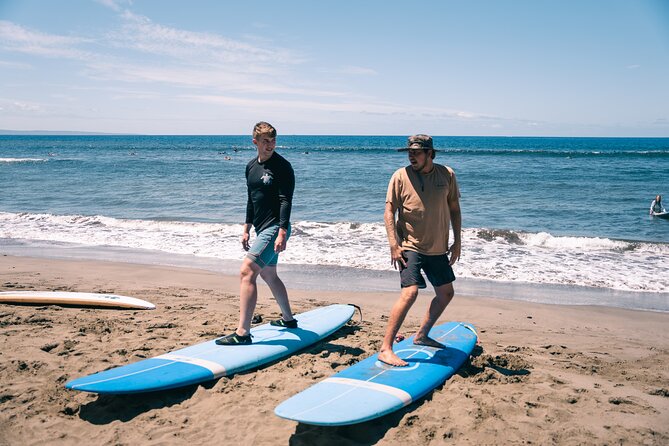
After the land session, the lesson shifts almost entirely into time in the water. You should expect about 2 hours total for the full experience, with most of that being wave time.
In a small group of up to eight, you’ll likely see your instructor step in with quick, practical pointers. The coaching style in the feedback I saw leaned toward clear guidance and friendly energy—especially when the instructor was Braiden, who came up as a standout for both adults and kids. The consistent theme: he chose a strong spot, stayed knowledgeable, and gave pointers that helped people figure out what to adjust.
If you’re a beginner, that kind of feedback is gold. The early sessions often feel like you spend more time paddling than standing. Good instruction can turn that around by helping you:
- position yourself better
- understand when to try
- read the wave coming at you
If you’re already comfortable surfing, the same small-group structure can still help. You can get targeted corrections instead of generalized tips. And because the wave spot is picked for your level, you’re not stuck in conditions that don’t match your ability.
A few more Maui experiences we would happily do again

Group size: why max eight can make or break a lesson
Surf lessons fail in two common ways. Either the group is too big and your instructor can’t help you between waves, or the schedule drifts toward waiting.
This one has a maximum of eight travelers. That’s the sweet spot for attention. With fewer people, it’s easier to:
- track your progress during your attempts
- spot the mistake happening over and over
- reset your technique quickly
You’ll also likely feel less pressure. When the group is small, you can focus on what your body is doing, not on watching everyone else while you’re stuck in “waiting mode.”
If you’re trying surfing for the first time, this size can keep your learning curve reasonable. If you’ve surfed before, it helps you improve instead of just “survive another try.”
Weather changes, and one real reliability concern to take seriously
This experience requires good weather. If it’s canceled due to poor weather, you’ll either be offered a different date or a full refund. That’s pretty standard for ocean activities, but it does change your planning.
Now for the part I think you should know up front. There are reports of serious mishaps, including a case of a no-call/no-show with a refund issued afterward. Another account also described the lack of the experience initially, then a refund after the trip.
I’m not going to sugarcoat that. Ocean lessons are already weather-dependent, but reliability is the other half of the equation. If you book, I recommend you:
- double-check your confirmation details close to the start time
- keep your plans flexible in case the session gets reshuffled
- have a backup plan for the day if the experience changes suddenly
That’s not meant to scare you off. It’s meant to keep your Maui day from turning into stress.
Practical value: who this suits best
This lesson is designed for all levels, from beginner to experienced. That broad claim is common, but here’s what makes it feel more credible: you’re matched to conditions and a wave spot based on your level.
So here’s the fit I’d suggest:
- First-timers: ideal if you want a short safety and basics session, then actual time riding
- Parents or mixed-experience groups: small group size keeps things manageable, and instructors described as strong with both adults and kids
- Intermediate surfers: you’ll likely value the wave matching and direct pointers rather than generic advice
- Advanced surfers: you might still enjoy the coaching, but you should consider that this is a lesson format, not a big-wave expedition
Moderate physical fitness is also a factor. If paddling and water time sound tiring, you may want to pace yourself and focus on the learning moments rather than trying to force a perfect run every time.
Tips to get more out of your 2-hour session
Because this is short, your mindset matters. Two hours goes fast. Here’s what helps you leave happier, no matter your starting point:
- Go in ready to practice, not just observe. The lesson is mostly water time. Your progress depends on your reps.
- Listen to safety and follow instructions immediately. It protects you and improves the flow for everyone.
- Treat the coaching like quick adjustments. If you try to overhaul everything at once, you’ll slow down your improvement. Pick one thing and work it.
- Stay flexible about the day’s spot. The best spot is chosen based on conditions, and that’s the whole point of getting a pro-led lesson.
And one more honest note: if the day is windy or choppy, it can feel discouraging. A good instructor will still try to put you on something workable for your level. Your job is to stay calm, communicate clearly, and keep going.
Should you book 2-hour Surf Lessons with a Pro in Maui?
If you want a focused Maui experience with most of your time spent surfing, this is a strong match. The small group size (max eight) and the idea of selecting the best spot for your level are the two features that matter most for real learning. Add in a pro instructor approach—one name that showed up as especially good was Braiden—and you’ve got a lesson that can genuinely help you improve.
I’d still book with eyes open. There’s enough information about at least one no-show situation to justify being proactive. If you’re the type who likes peace of mind, you’ll want to confirm details close to departure time and keep your schedule flexible.
Bottom line: Yes, it’s worth it if you want a short, hands-on surfing session and you’re okay with weather-driven changes. If you absolutely can’t handle a day-of shift or an unexpected hiccup, then build in buffer time and plan your Maui day around a “maybe” ocean window.
More Workshops in Maui
- Maui: Two Hour Beginner Group Surf Lesson in Kihei
★ 5.0 · 950 reviews - Outrageous Surf ScHool Lesson on Lahaina Side
★ 4.5 · 547 reviews - Group Surf Lesson at Kalama Beach in Kihei
★ 5.0 · 264 reviews - Maui Lahaina Group Surf Lesson
★ 4.9 · 235 reviews - Private Surf Lesson for Two Near Lahaina
★ 5.0 · 189 reviews
More Tour Reviews in Maui
- Maui Pineapple Farm Tour in Haliimaile
★ 5.0 · 2,855 reviews - Small-Group Road to Hana Adventure Tour with Pickup & Lunch
★ 5.0 · 2,637 reviews - Maui Eco-Raft Tour: Eye-Level Whale or Dolphin Watching – Lahaina
★ 5.0 · 2,482 reviews - Maui Snorkeling Adventure to Molokini and Turtle Town
★ 4.5 · 2,221 reviews - Maui: Haleakala Sunrise Spectacular with Local Breakfast
★ 4.5 · 2,155 reviews
Catch More Maui Surf
- Maui: Two Hour Beginner Group Surf Lesson in Kihei
★ 5.0 · 950 reviews - Outrageous Surf ScHool Lesson on Lahaina Side
★ 4.5 · 547 reviews - Group Surf Lesson at Kalama Beach in Kihei
★ 5.0 · 264 reviews - Maui Lahaina Group Surf Lesson
★ 4.9 · 235 reviews - Private Surf Lesson for Two Near Lahaina
★ 5.0 · 189 reviews
More of Maui we have reviewed, from the crater to the coast




Maui Surf Lessons, compared.
 ★ 5.0Two Hour Beginner Group Surf Lesson in KiheiFrom $98950 reviews
 ★ 4.5Outrageous Surf ScHool Lesson on Lahaina SideFrom $75547 reviews
 ★ 5.0Group Surf Lesson at Kalama Beach in KiheiFrom $108264 reviews
 ★ 4.9Maui Lahaina Group Surf LessonFrom $125235 reviews
 ★ 5.0Private Surf Lesson for Two Near LahainaFrom $145189 reviews
 ★ 5.02 Hour Beginner Group Surf Lessons154 reviews
 ★ 5.0Group Surf Lessons from Kaanapali BeachFrom $120143 reviews
 ★ 5.02 Hour Private Group Surf Lesson in Lahaina MauiFrom $125129 reviews
Browse the lists this tour appears in