
Reviewed · MAUI SCUBA DIVING
Maui Scuba Diving Introductory Lesson from Lahaina
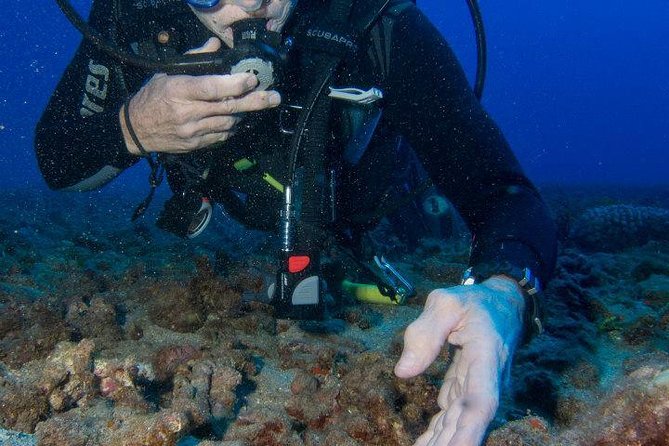
Maui is one of the easiest places to try scuba. You’ll start with shore coaching and then head out for a short, controlled reef swim with at most four people. I like how the instructors focus on safety while still letting you enjoy the moment, whether your guide is Rick, Gu, Chris, Bruce, Philip, or Maya.
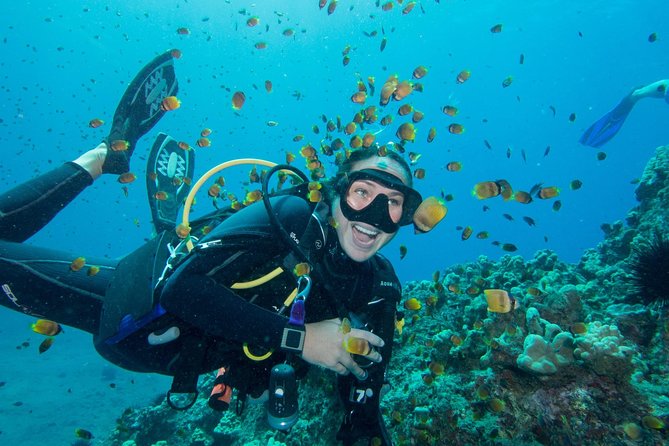
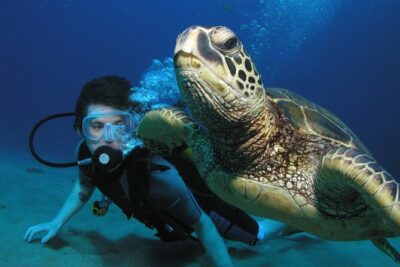
The best part for first-timers is the mix of simple skills and real animal encounters. You learn mask-and-regulator basics, practice buoyancy, and then you get to see colorful reef life and the chance to spot green sea turtles on calm sites around Lahaina.
One thing to think about: you need to be able to pass the medical waiver (all no answers) and you cannot fly the same day. If you’re nervous about equalizing or you’re not comfortable swimming, this setup can be stressful—though the day is built for careful pacing.
In This Review
- Key highlights that make this Lahaina intro worth it
- Arriving in Lahaina: meet-up, timing, and what to bring
- The shore lesson first: how your confidence gets built
- The small-group setup (max four) and why it changes everything
- Entering the water: the shallow wade and safety-first pacing
- The Maui reef route: what each stop feels like
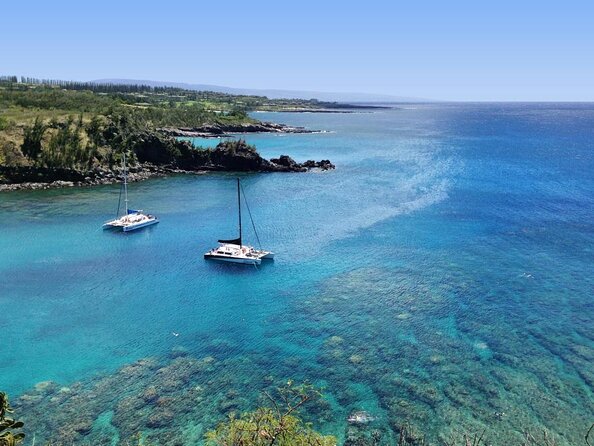
- Honolua Bay: clear-water vibes and reef watching
- The Spa at Black Rock: a classic spot for first-timers
- Extended Horizons: a pause point that helps the day flow
- Kapalua Beach: another shallow reef option
- Baby Beach in North Lahaina: where comfort matters
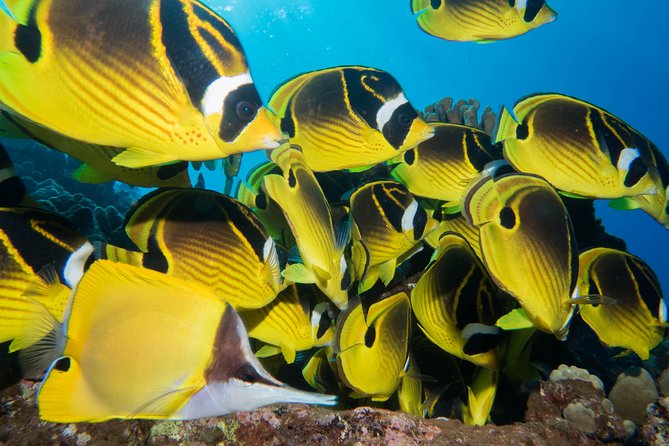
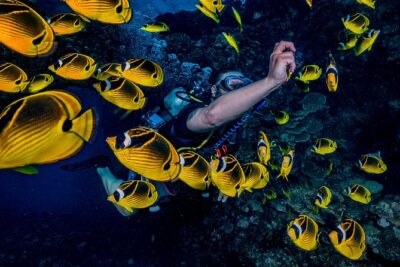
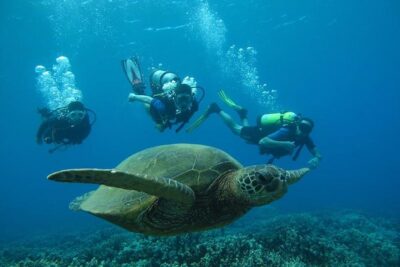
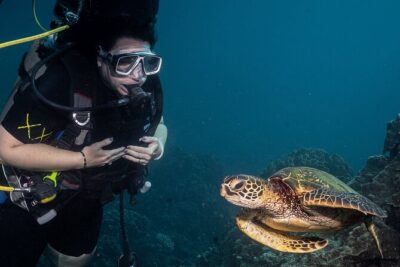
- What you’ll see: turtles, fish, and other reef surprises
- Gear, breathing, and the skill that controls your whole day
- Price and value: is $227.50 a good deal?
- Who should book, and who should reconsider
- Quick planning tips so your morning goes smoothly
- Should you book the Lahaina intro scuba lesson?
- FAQ
- FAQ
- Do I need a medical waiver before I can participate?
- What is the maximum depth for the experience?
- Where do I meet for the lesson in Lahaina?
- Is hotel pickup included?
- What time does the experience begin and how long is it?
- Can I fly the same day after the scuba session?
- What equipment do I get?
Key highlights that make this Lahaina intro worth it
- A 45-minute on-shore skills class before you ever get in the water
- Small-group max of four for close instructor support
- Chance to see green sea turtles and other reef animals while staying shallow
- Max depth of 35 feet (10.7 meters) so you can focus on comfort and control
- It can count toward PADI certification, with registration included at no extra cost
- You go at your pace with time to practice any skill that feels off
More Maui dives, from first tank to fully certified
- 2 Tank Lanai Cathedral Scuba Dive Via Boat for Certified Divers★ 5.0 · 548 reviews
- Small-Group Shark and Turtle Dive for Certified Divers★ 5.0 · 219 reviews
- Beginner Scuba Dive in Lahaina: Swimming Required★ 5.0 · 219 reviews
- Discover Scuba Diving Class from Lahaina★ 5.0 · 185 reviews
Arriving in Lahaina: meet-up, timing, and what to bring
This intro scuba lesson starts in Lahaina at 94 Kupuohi St, Lahaina, HI 96761 with a 7:30 am start. Expect about 2 hours 15 minutes total. There’s no hotel pickup or drop-off, so you’ll want to plan your own way to the shop and be there on time. Early morning matters in Maui because ocean conditions can change fast.
You’ll also want to handle a few items before you even show up:
- Fill out the online medical waiver before the day
- Provide a phone number (direct or WhatsApp) that’ll work on the island, or share hotel info if you don’t have mobile
- Send your men’s shoe size so they can set you up with the right fit
After your waiver is received, they send an online lesson link (about 15 minutes). Think of it as a heads-up so you’re not learning everything for the first time when you’re standing there in wetsuit gear.
The shore lesson first: how your confidence gets built
Before you ever step into the water, you get a 45-minute class at the scuba shop. This is where the experience earns its good reputation. You’re not just tossed in and told to figure it out.
Here’s what you’re practicing:
- How to don your mask properly so it seals and feels comfortable
- How to breathe through the regulator without panic
- How to control buoyancy, so you don’t float up or sink down too fast
- How to swim safely underwater, including basic body positioning
This order matters. Underwater feels confusing for many people. If you start by learning the gear and breathing in a controlled setting, the first minutes underwater are less of a shock.
If you’re taking this as a refresher, you still benefit. Getting your buoyancy and breathing rhythm back quickly is the difference between a stressful outing and a fun one.
The small-group setup (max four) and why it changes everything
This experience is capped at four people per booking. In practice, that means you’re less likely to feel like you’re part of a crowd and more likely to get help when you need it.
Instructors are right there while you’re working through skills, and the pace is adjustable. That’s a big deal for equalizing and breathing control. Some people pick it up fast. Others need time to settle. You’re meant to practice at a comfortable speed rather than rushing to keep up with a large group.
The reviews back this up with lots of examples of calm, hands-on coaching from instructors like Gu, Chris, Bruce, Philip, Emma, Maia, Shelby, Maya, and Rick. The consistent theme is comfort first: learning to breathe underwater is scary for many people, and you’ll want someone who can keep your nerves steady.
Entering the water: the shallow wade and safety-first pacing
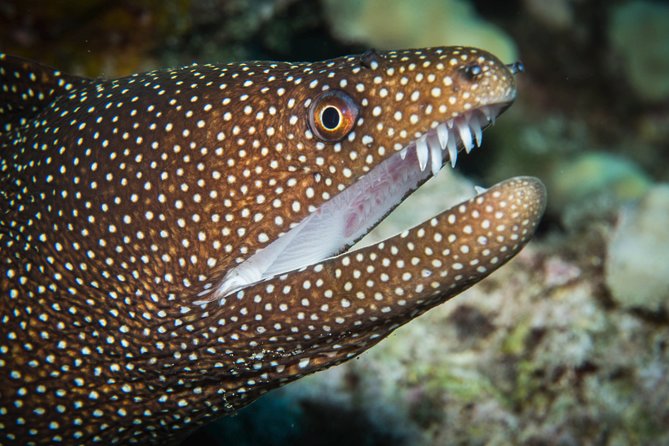
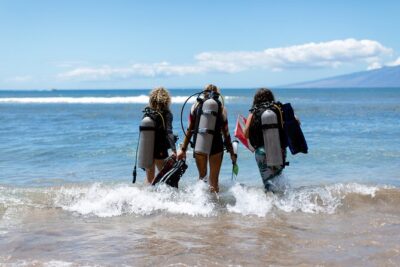
After the classroom portion, you head to a nearby beach where you can wade in comfortably. You’ll be with a professional instructor close by, walking you through each step as you move from standing to floating.
Depth is kept controlled. The plan is always a max of 35 feet (10.7 meters). That doesn’t sound shallow on paper, but for an intro lesson it’s ideal: you get real reef time while staying in a zone where you can focus on breathing, buoyancy, and calm movement.
You also get a reef tour rhythm that you control. Once you’re comfortable blowing bubbles and handling the basics, you follow your guide around the coral reef. If something feels shaky, you can practice it again before moving on.
A key practical point: you need basic swimming skills and a moderate physical fitness level. That doesn’t mean you have to be an athlete. It means you should be comfortable moving through water without panicking, even with gear on.
A few more Maui experiences we would happily do again
The Maui reef route: what each stop feels like
Your exact reef locations can shift based on ocean conditions, but the day uses stops like Honolua Bay, The Spa at Black Rock, Extended Horizons, Kapalua Beach, and Baby Beach in North Lahaina.
Here’s how to think about each one, and what you’ll likely care about as a beginner.
Honolua Bay: clear-water vibes and reef watching
Honolua Bay is the kind of place you’re hoping for on a first scuba session: visible water, manageable conditions, and the chance to see marine life close enough to feel real and not distant.
Even though your depth stays limited, this is where you get that first “I’m really underwater” moment. Pay attention to your buoyancy here. Early on, your brain will want to look everywhere at once. Slow down your movements. Let your body do the work while your eyes enjoy the reef.
The Spa at Black Rock: a classic spot for first-timers
Next you may head toward The Spa at Black Rock. This name fits the goal of this whole experience: a controlled, comfortable environment where you can learn without fighting rough conditions.
For many people, this is where you practice steady fin kicks, relaxed breathing, and keeping your body level in the water. If you find yourself rushing, tell your instructor and reset. A good intro course won’t punish you for taking your time.
Extended Horizons: a pause point that helps the day flow
The route includes a stop called Extended Horizons. Since this is part of the planned itinerary, it’s likely used to keep the timing smooth and to get you positioned for the next water section.
For you, the value is simple: you’re not just moving from one chaotic thing to another. You get short transitions so the outing stays learnable.
Kapalua Beach: another shallow reef option
Kapalua Beach is another area used for this beginner format. You’ll be looking for colorful coral, fish, and the overall “reef postcard” feeling—while still staying at a learning pace.
If you’re working on buoyancy, this is a place to practice making small adjustments rather than big ones. You don’t want to chase stability by yanking yourself up or down. Tiny changes keep you calm.
Baby Beach in North Lahaina: where comfort matters
Finally, Baby Beach in North Lahaina shows up on the plan. The name alone tells you why it matters for beginners: this is where comfort and controlled conditions are especially important.
If you’re the kind of person who needs a second chance to feel confident, this end-of-route stop can be a relief. By then, you’ve already learned how to breathe, settle, and move without panicking.
What you’ll see: turtles, fish, and other reef surprises
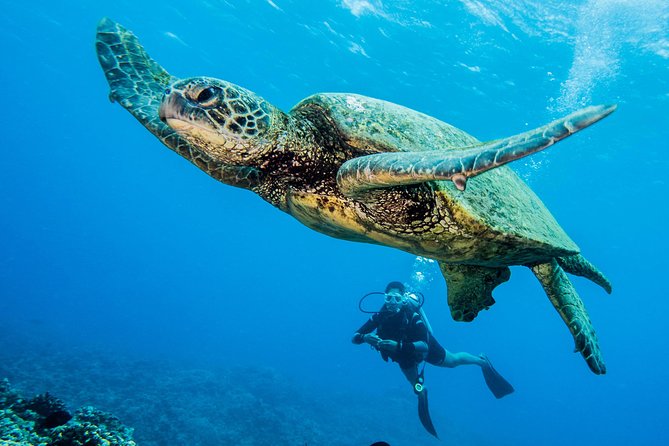
The overall promise is marine life, and Maui delivers. This intro format is designed to keep you shallow and comfortable enough to actually enjoy what’s around you.
You can spot:
- Green sea turtles
- Colorful reef fish
- Coral reef scenery
- Other marine life your guide points out
Some outings also come with extra moments, like listening for whale sounds from offshore when the conditions line up. You won’t get a guaranteed animal checklist, but your odds are good for real, memorable encounters.
One thing to do: look where your instructor is looking. If they point out a fish or behavior, you’ll often see more by following their attention than by hunting randomly.
Gear, breathing, and the skill that controls your whole day
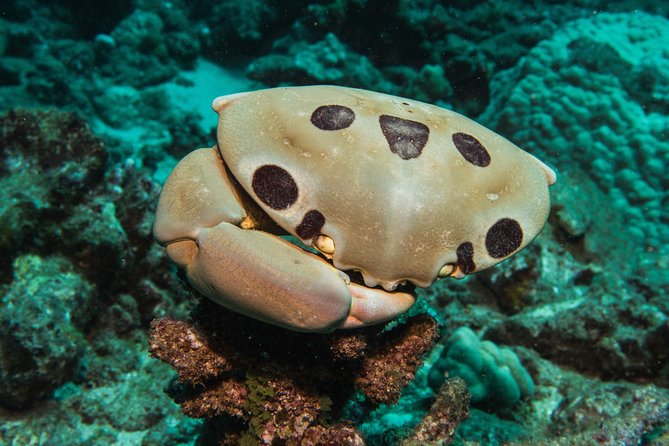
You get all required equipment included, plus water. That’s part of the value: you don’t have to worry about renting the right mask, fins, and regulator setup on your own.
The big skills that decide whether this feels fun or frightening are:
- Breathing through the regulator
- Keeping your buoyancy steady
- Equalizing comfortably (and knowing when to slow down)
Most beginners worry about breathing. But buoyancy is often the surprise challenge. If you float too high, you’ll work harder and see less reef. If you sink, you’ll feel rushed and tense.
Your best tool is control. Use slow movements, watch your body position, and give your instructor feedback early. If something feels off—pressure, breathing strain, discomfort—speak up. That’s how the small-group setup becomes truly helpful.
Price and value: is $227.50 a good deal?
At $227.50 per person, this isn’t the cheapest thing you’ll do in Maui. But it also isn’t a generic “stand and watch” activity.
You’re paying for:
- A structured shore class before the water
- One-on-one style attention in a group of four
- All equipment and water
- A coral reef experience kept at a safe beginner depth
- A path toward certification: if you want to continue, it counts toward PADI certification, and you’ll be registered at no additional cost
That last part is what makes the price feel more reasonable. If you decide right then that you want to learn for real, you’re not starting from zero.
The other value angle: you’re not doing this blind. The online lesson link and medical waiver process help set you up for a safer, smoother day.
Who should book, and who should reconsider
This is a strong fit if you:
- Want a first-time scuba lesson with real support
- Prefer a calm, shallow intro rather than a rushed experience
- Like the idea of learning skills first, then using them right away
- Want a chance to see turtles and reef life without going deep
- Are interested in moving toward PADI open water
Consider passing or asking more questions if you:
- Can’t meet the medical waiver requirements (all no answers required)
- Are not comfortable with basic swimming
- Know you get stressed easily in situations where you must change pressure and breathe on command
- Need to fly the same day (it’s not allowed)
Also, double-check the minimum age is 12. If you’re bringing a teen, this can work well—but you’ll want to judge their swimming comfort honestly.
Quick planning tips so your morning goes smoothly
A few practical notes help:
- Go in with the right mindset: you’re learning. Your body will adjust.
- Bring what you need for an early start, since it starts at 7:30 am.
- Follow the pre-lesson steps. The waiver and online link are there for a reason.
- Expect that the reef spot can change based on ocean conditions.
- If you’re prone to ear discomfort, talk to your instructor right away and take it seriously.
One extra tip: take slow breaths and don’t try to “perform” underwater. The goal is control, not speed.
Should you book the Lahaina intro scuba lesson?
If your dream is a safe, first-time scuba experience with a real shot at turtles, I think this is a smart booking. The combination of shore skills first, max four-person attention, and shallow reef time makes it one of the more beginner-friendly ways to get started in Maui. Plus, the fact that it can count toward PADI certification adds value if you catch the bug.
I’d only hesitate if you’re likely to struggle with the medical waiver or if your schedule includes flying soon after. If you can meet the requirements and you’re ready to practice slowly, this is exactly the kind of calm, guided start that makes scuba feel doable.
FAQ
FAQ
Do I need a medical waiver before I can participate?
Yes. You’ll be required to fill out a medical waiver and submit it to the scuba operator in Maui before going in the water. To participate, you must answer no to all questions. If you mark yes to any question, you’ll need a doctor’s note.
What is the maximum depth for the experience?
The experience is kept shallow. Depth will never exceed 35 feet (10.7 meters).
Where do I meet for the lesson in Lahaina?
You start at 94 Kupuohi St, Lahaina, HI 96761, USA. The activity ends back at the meeting point.
Is hotel pickup included?
No. The tour does not include hotel pickup and drop-off.
What time does the experience begin and how long is it?
Start time is 7:30 am, and the duration is about 2 hours 15 minutes.
Can I fly the same day after the scuba session?
No. You must not fly on the same day. You also must wait 18 hours after diving before helicopter, airplane, or Haleakala.
What equipment do I get?
Equipment is included. You’ll get the use of all required scuba equipment, and water is included.
More Scuba Diving in Maui
- 2 Tank Lanai Cathedral Scuba Dive Via Boat for Certified Divers
★ 5.0 · 548 reviews - Beginner Scuba Dive in Lahaina: Swimming Required
★ 5.0 · 219 reviews - Discover Scuba Diving Class from Lahaina
★ 5.0 · 185 reviews - VIP Aloha Nui Snorkel Adventure w/ optional SCUBA from Lahaina
★ 5.0 · 136 reviews - Maui Certified Shore Diving from Lahaina
★ 5.0 · 107 reviews
More Tour Reviews in Maui
- Maui Pineapple Farm Tour in Haliimaile
★ 5.0 · 2,855 reviews - Small-Group Road to Hana Adventure Tour with Pickup & Lunch
★ 5.0 · 2,637 reviews - Maui Eco-Raft Tour: Eye-Level Whale or Dolphin Watching – Lahaina
★ 5.0 · 2,482 reviews - Maui Snorkeling Adventure to Molokini and Turtle Town
★ 4.5 · 2,221 reviews - Maui: Haleakala Sunrise Spectacular with Local Breakfast
★ 4.5 · 2,155 reviews
Diving Deeper Off Maui
- 2 Tank Lanai Cathedral Scuba Dive Via Boat for Certified Divers
★ 5.0 · 548 reviews - Intro/Refresher Dive Swim Ability Required
★ 5.0 · 248 reviews - Beginner Scuba Dive in Lahaina: Swimming Required
★ 5.0 · 219 reviews - Small-Group Shark and Turtle Dive for Certified Divers
★ 5.0 · 219 reviews - Discover Scuba Diving Class from Lahaina
★ 5.0 · 185 reviews
More of Maui we have reviewed, from the crater to the coast


Maui Scuba Diving, compared.
 ★ 5.02 Tank Lanai Cathedral Scuba Dive Via Boat for Certified DiversFrom $306548 reviews
 ★ 5.0Intro/Refresher Dive Swim Ability RequiredFrom $239248 reviews
 ★ 5.0Small-Group Shark and Turtle Dive for Certified DiversFrom $135219 reviews
 ★ 5.0Beginner Scuba Dive in Lahaina: Swimming RequiredFrom $229219 reviews
 ★ 5.0Discover Scuba Diving Class from LahainaFrom $158185 reviews
 ★ 5.0South Maui Shore DiveFrom $155147 reviews
 ★ 5.0VIP Aloha Nui Snorkel Adventure w/ optional SCUBA from LahainaFrom $235136 reviews
 ★ 5.0Maui Certified Shore Diving from LahainaFrom $199107 reviews
Browse the lists this tour appears in