
Reviewed · MAUI WHALE WATCHING TOURS
Maui Eco-Raft Tour: Eye-Level Whale or Dolphin Watching – Lahaina
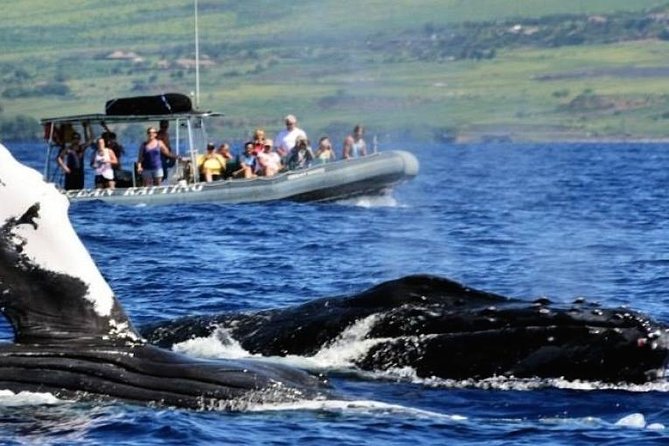
Whale watching sounds better from water level. On this Lahaina zodiac raft, you get eye-level views while a marine naturalist explains what you’re seeing and, in season, you can listen to whale songs via hydrophone.
I also really like the small-group feel, built for close (but still respectful) encounters. If your crew includes familiar names like Captain Jack and marine biologist Jess, you can expect that mix of calm professionalism and real energy from the staff.
One drawback: the trip is outdoors and low-to-the-water, so you’ll likely get splashed—plus it’s not for everyone (no kids under 3, and it’s not suited for pregnant people or those with back/neck injuries).
In This Review
- Maui Eco-Raft Tour at Eye Level: What Makes This Lahaina Watch Feel Different
- Key Moments That Define This Zodiac Raft Tour
- Seasonal Species: Whales (Dec–Apr) and Dolphins (Summer)
- From 1223 Front Street to the Open Water in 2.5 Hours
- The Cruise Flow: How the Lahaina Search and the Maui Water Time Work
- Guides, Marine Narration, and the Hydrophone Whale-Song Moment
- What’s Included vs. What You Need to Bring (Because You Will Get Wet)
- Included
- Bring
- Comfort, Safety, and Who Should Think Twice
- Why the $85.16 Price Can Still Be a Strong Value
- Should You Book This Lahaina Whale or Dolphin Raft Tour?
- FAQ
- What season is best for whale watching vs dolphin watching?
- How long is the Maui Eco-Raft Tour?
- How old do you need to be to join?
- Is the tour suitable for pregnant people?
- What’s included for whale watching, and what’s included for dolphins?
- Where do I meet for the tour?
- Can I bring sunscreen, and what kind is allowed?
Maui Eco-Raft Tour at Eye Level: What Makes This Lahaina Watch Feel Different
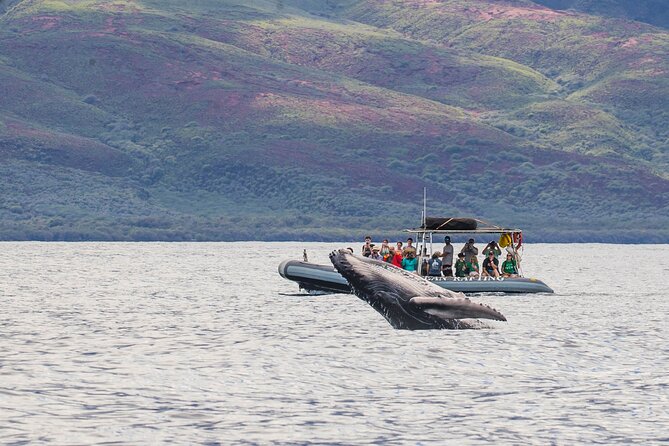
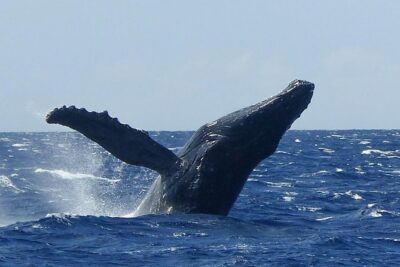
This is whale or dolphin watching the way you’d hope it would be—close to the action, with fewer barriers between you and the ocean. A low zodiac-style raft keeps you at water level, so when a whale surfaces, it’s not a distant dot against a horizon. The aim is simple: spot animals fast, then stay with them without crowding or rushing.
The other big difference is the hydrophone. When it’s the whale season option, you don’t just watch humpbacks surface—you get the chance to hear whale communication through an onboard listener. That turns the experience from a pretty boat ride into something you can actually connect with.
Finally, the marine-naturalist narration helps you read whale behavior in real time—what you’re seeing, why it’s happening, and how it fits into the Hawaiian ocean ecosystem.
When the humpbacks are in: more Maui whale watches
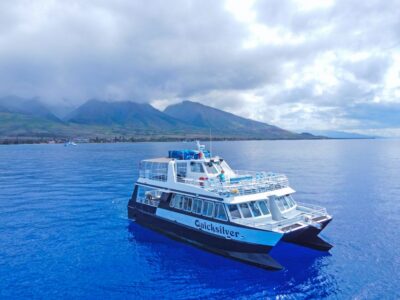
- From Maalaea: Whale Watching Tour Aboard the Quicksilver★ 4.5 · 1,461 reviews
- Maui: Ultimate Whale Watch from Lahaina★ 5.0 · 1,162 reviews
- WHALES GUARANTEED Maui Whale Watching Makai Adventures★ 5.0 · 1,081 reviews
- Ma’alaea Harbor: Whale Watching Tour Aboard Power Catamaran★ 4.6 · 979 reviews
Key Moments That Define This Zodiac Raft Tour
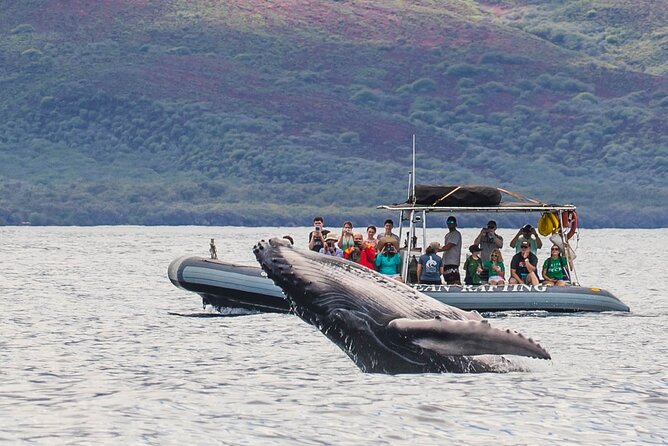
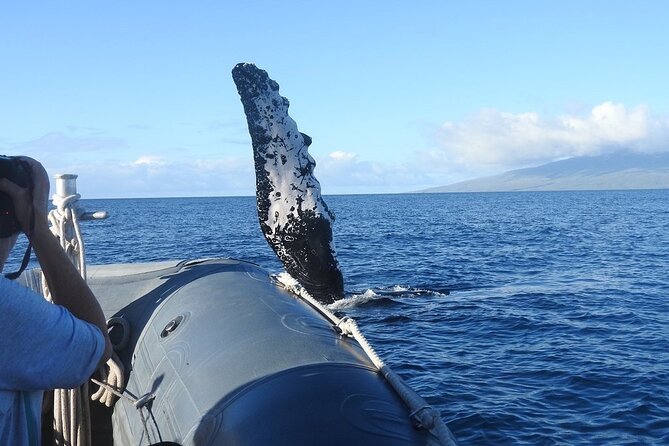
- Eye-level viewing from a low raft for easier spotting and better photo angles
- Marine naturalist narration that explains whale or dolphin behavior while you’re out there
- Hydrophone listening for whale songs during whale season options
- Stops when wildlife is spotted so you get time for photos and watching instead of constant cruising
- Small group size (max 25) for a more intimate, family-style outing
Seasonal Species: Whales (Dec–Apr) and Dolphins (Summer)
This tour is built around what’s happening in the water at the time you go. Pick your option and your experience changes accordingly.
- December to April: you’re looking for migrating humpback whales. The hydrophone and whale-song listening is part of this season’s experience.
- Summer months: you switch to a dolphin watching option, plus coastal sightseeing.
That matters because whale trips are often about searching and staying with whales once they show up. Dolphin trips are more about sustained spotting and cruising along the coast to spot activity.
One important reality check: wildlife encounters are in the wild. Up-close sightings aren’t guaranteed, even when you do everything right.
From 1223 Front Street to the Open Water in 2.5 Hours
The tour starts at 1223 Front St, Lahaina, and it ends back at the same meeting point. It’s a 2 hours 30 minutes (approx.) adventure, so it’s long enough to feel like a real outing—but short enough that you can still have energy for the rest of your Maui day.
Plan to arrive with a buffer. The tour leaves promptly, and you need to be there 30 minutes prior to boarding or you risk missing the tour.
Because it’s a low-water raft, boarding takes some physical movement. If you have mobility challenges, make sure you’re comfortable with the boarding setup. And since there’s no hotel pick-up, you’ll be self-reliant on getting to Front Street.
The Cruise Flow: How the Lahaina Search and the Maui Water Time Work
Even though the day is one trip, the experience has a rhythm that you’ll feel as you go.
First, you’re operating out of Lahaina, scanning for migrating whales (or searching coastal waters for dolphins, depending on season). This is the “spotting phase.” With the raft sitting low, your job as a passenger is easier—you’re not constantly craning your neck for far-off spouts.
Next comes the “stay-with-them” phase. Once wildlife is spotted, the boat stops when there’s a whale for good views and photo opportunities. That stop matters because it reduces the usual frustration of whale watching: chasing fast, missing the best moments, then repeating the cycle.
The final stretch is all about heading back to shore in good time. The tour ends at the meeting point on Front Street.
A few more Maui experiences we would happily do again
Guides, Marine Narration, and the Hydrophone Whale-Song Moment
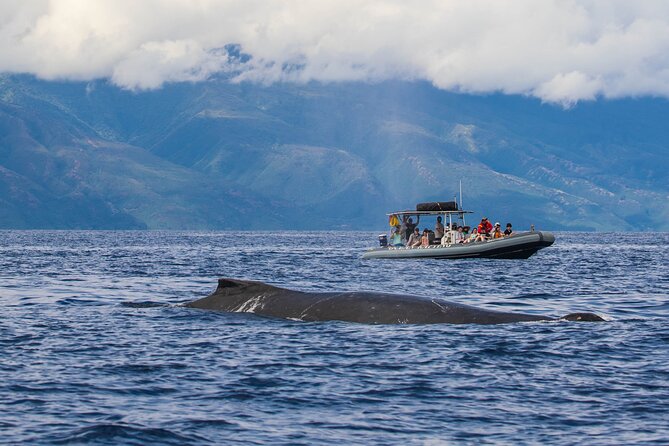
A lot of whale watches claim they’ll be educational. Here, the format supports it. You’re on a small raft with a marine-naturalist on board, so you’re not only hearing facts—you’re getting explanations that connect to what you’re looking at right then.
In recent outings, guides like Captain Jack, Captain Mark, Captain Steve, and first mates such as Olivia and Shay have been paired with marine experts including Jess. You’ll also hear how the crew decides where to go based on whale activity, so the searching doesn’t feel random.
The hydrophone is the standout sensory feature. On the whale season option, it lets you listen to whale communication while you watch surfaces and behavior. That adds a layer of meaning to the trip, especially if you’re seeing whales for the first time and want more than just a photo.
If it’s your first whale watching trip, this is one of those experiences where you leave knowing what you actually witnessed—breaches, tail movements, social behavior, and the bigger ecosystem picture.
What’s Included vs. What You Need to Bring (Because You Will Get Wet)
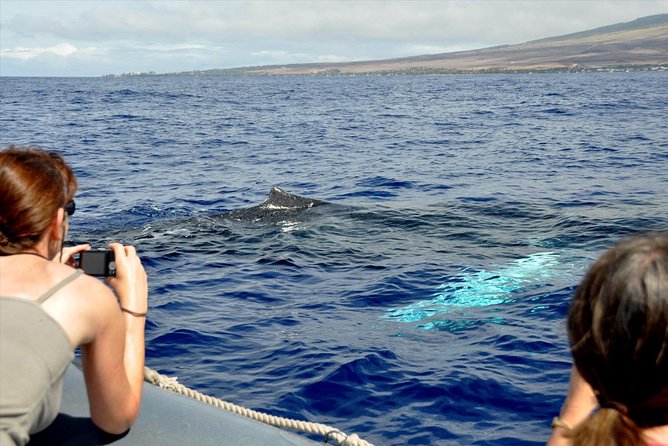
Here’s the practical part that makes or breaks comfort on a raft: plan to get wet. This is a low-to-water boat ride where ocean spray and light rain can happen. Even with good luck, expect damp air and splashes.
Included
- Marine naturalist narration
- Hydrophone (for whale season option)
- Life jackets are provided for emergencies (they are not required to be worn during the tour)
- If you choose the dolphin tour option: snacks and beverages
Bring
- Sun protection: shade varies on the boat, so wear what you’d wear on a strong Maui day—hat, sunglasses, and reef-safe sunscreen
- Reef-safe sunscreen only: no spray sunscreen is permitted. Use reef-safe rub-on sunscreen
- Clothing you’re fine getting splashed: the raft ride is part boat tour, part ocean experience
A small detail that’s worth treating seriously: reef-safe rules. If you show up with the wrong kind of sunscreen, it can complicate things fast. Rub-on is the safe bet.
Comfort, Safety, and Who Should Think Twice
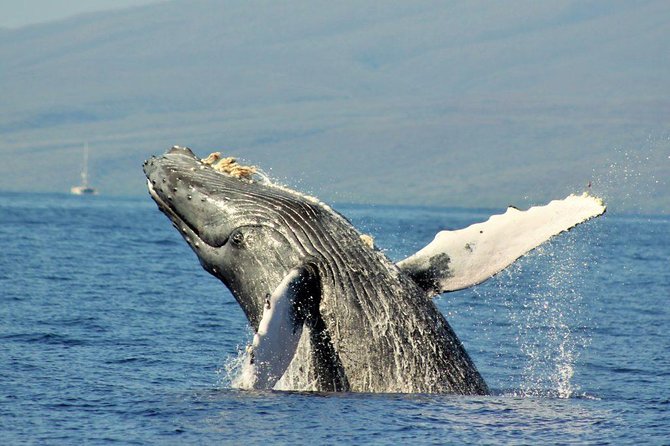
This tour is well suited for a lot of people, but the safety rules are clear. It’s not suited for pregnant individuals, and it’s also not a fit if you have back/neck injuries.
There’s also a strict child rule: no children under 3, and no babies on the raft. That makes the ride calmer for everyone else, but it means the tour is not a good option for families with very young kids.
One more comfort consideration: shade is not guaranteed. You might be comfortable with weather luck, but don’t count on consistent shade. You’re on the water; sun and wind are part of the deal.
Why the $85.16 Price Can Still Be a Strong Value
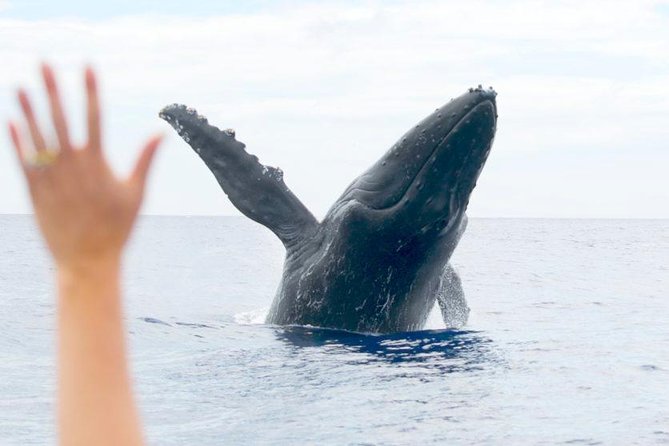
At $85.16 per person, this isn’t a budget activity, but it also isn’t priced like a luxury charter. The value is in what you actually get for your money:
- Small-raft, eye-level format that improves your odds of great sightings because you’re positioned well
- Marine naturalist narration and not just a scripted talk
- Hydrophone whale listening during the whale season option
- Wildlife-focused time—the boat stops when whales are spotted, so the tour isn’t all “searching” without payoff
- Snacks and beverages on the dolphin option
If you’re the type who wants more than a quick look and a few generic facts, the guide format and hydrophone feature justify paying more than you would for a plain “see whales from the distance” cruise.
And with a strong overall rating (4.9 from a very large number of reviews), the signal is clear: people are consistently happy with the crew effort and sighting quality.
Should You Book This Lahaina Whale or Dolphin Raft Tour?
Book this if you want eye-level ocean viewing, a small-group feel, and a guide who helps you understand what’s happening under the surface. It’s also a great match if you like hands-on sensory moments—especially the hydrophone whale songs during whale season.
Skip it if any of these are true for you:
- You’re pregnant or you have back/neck injuries
- You’re traveling with a child under 3
- You know you get miserable in wind, mist, and ocean spray (because the tour is very likely to get you wet)
If you’re deciding between “bigger boat” and “low, close-to-the-water” watching, I’d choose this kind of raft setup. It’s built for the best part of whale watching: seeing what a whale is actually doing, up close enough to feel the moment.
FAQ
What season is best for whale watching vs dolphin watching?
Whale watching runs December to April, when migrating humpback whales are expected. Dolphin watching and coastal sightseeing are offered during summer months.
How long is the Maui Eco-Raft Tour?
It’s about 2 hours 30 minutes.
How old do you need to be to join?
You must be three years old or older. No children under 3 are allowed on the raft.
Is the tour suitable for pregnant people?
No. It is not suited for pregnant individuals for safety reasons.
What’s included for whale watching, and what’s included for dolphins?
Whale season includes marine naturalist narration and a hydrophone to listen to whale songs. The dolphin option includes snacks and beverages along with narration and wildlife watching.
Where do I meet for the tour?
The tour departs from 1223 Front St, Lahaina, HI 96761, and it ends back at the same meeting point.
Can I bring sunscreen, and what kind is allowed?
Bring sun protection, but note: No spray sunscreen is permitted. You’ll need to use reef-safe rub-on sunscreen only.
More Tours in Maui
- Maui Pineapple Farm Tour in Haliimaile
★ 5.0 · 2,855 reviews - Small-Group Road to Hana Adventure Tour with Pickup & Lunch
★ 5.0 · 2,637 reviews - Road to Hana Adventure Maui Tour with Lunch
★ 5.0 · 1,832 reviews - From Maalaea: Whale Watching Tour Aboard the Quicksilver
★ 4.5 · 1,461 reviews - Lahaina: Maui Ku’ia Estate Guided Cacao Farm Tour and Tasting
★ 5.0 · 1,103 reviews
More Tour Reviews in Maui
- Maui Pineapple Farm Tour in Haliimaile
★ 5.0 · 2,855 reviews - Small-Group Road to Hana Adventure Tour with Pickup & Lunch
★ 5.0 · 2,637 reviews - Maui Snorkeling Adventure to Molokini and Turtle Town
★ 4.5 · 2,221 reviews - Maui: Haleakala Sunrise Spectacular with Local Breakfast
★ 4.5 · 2,155 reviews - Maui Snorkeling Adventure From Ma’alaea Harbor to Molokini
★ 4.5 · 1,997 reviews
Whale Season on Maui
- From Maalaea: Whale Watching Tour Aboard the Quicksilver
★ 4.5 · 1,461 reviews - Maui: Ultimate Whale Watch from Lahaina
★ 5.0 · 1,162 reviews - WHALES GUARANTEED Maui Whale Watching Makai Adventures
★ 5.0 · 1,081 reviews - Ma’alaea Harbor: Whale Watching Tour Aboard Power Catamaran
★ 4.6 · 979 reviews - Maui: Whale Watching Cruise with Open Bar from Ka’anapali Beach
★ 5.0 · 802 reviews
More of Maui we have reviewed, from the crater to the coast


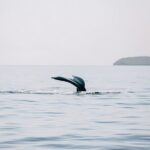

Maui Whale Watching Tours, compared.
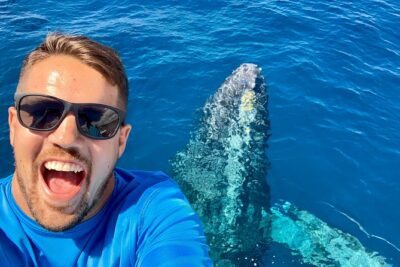 ★ 4.5From Maalaea: Whale Watching Tour Aboard the QuicksilverFrom $491,461 reviews
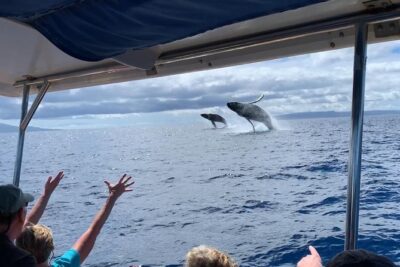 ★ 5.0Ultimate Whale Watch from LahainaFrom $771,162 reviews
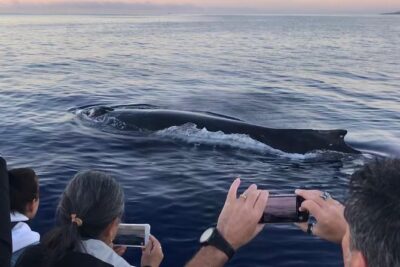 ★ 5.0WHALES GUARANTEED Maui Whale Watching Makai AdventuresFrom $971,081 reviews
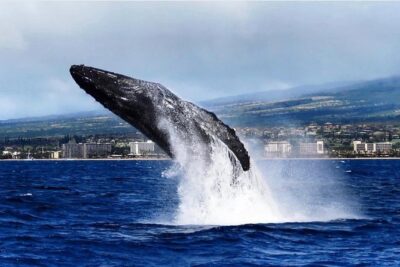
 ★ 4.6Ma’alaea Harbor: Whale Watching Tour Aboard Power CatamaranFrom $49979 reviews
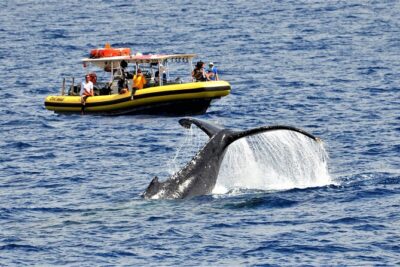
 ★ 5.0Whale Watching Cruise with Open Bar from Ka’anapali BeachFrom $115802 reviews
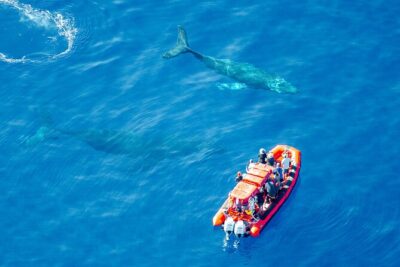
 ★ 5.0Whale Watching Maui: 2-Hour Small Group Raft Tour from LahainaFrom $80661 reviews
 ★ 5.0Maui Whale-Watching Tour by Raft from KiheiFrom $84646 reviews
 ★ 5.0Whale Watching from Ma’alaea HarborFrom $82537 reviews
Browse the lists this tour appears in