
Reviewed · MAUI WHALE WATCHING TOURS
Whale Watching Tour on a Charming Hawaiian Catamaran From Maalaea
Maui winter turns into whale heaven. This tour on the Hawaiian-built catamaran Winona is one of the most fun ways to chase humpbacks, with the underwater hydrophones so you can hear their calls while you lounge on deck. I also love the small-group feel, which helps you actually watch for whales instead of just craning your neck. One watch-out: you need good weather, and the Maalaea meeting spot can be a little tricky to locate, so arrive early.
From December through March, humpbacks migrate to Maui to breed and raise calves, and this trip puts you in the middle of that action. You get West Maui mountain views plus looks toward Molokai and Lanai, and you may even catch dolphin encounters on occasion. If you’re sensitive to motion, plan ahead for a windy day.
In This Review
- Key highlights worth planning for
- Winona from Maalaea: what the ride is really like
- What you can realistically see: humpbacks, calves, and breaches
- The underwater hydrophones: why the sound is a big deal
- Views of West Maui, Molokai, and Lanai from a deck you can actually use
- Food, drinks, and the real value of the $85 price
- Comfort and motion: what to do when it gets windy
- Dolphin encounters and respect for space: how close is close?
- Who should book this tour (and who might want a different plan)
- Tips that make the difference on arrival and onboard
- FAQ
- FAQ
- Where does the whale watching tour start?
- How long is the tour?
- What whales do you look for on this tour?
- Do you hear whale songs on board?
- Are dolphin encounters included?
- What’s included with the ticket price?
- Are gratuities included?
- Is hotel pickup and drop-off provided?
- Do children get a discount?
- Do infants need a life vest?
- What’s the cancellation plan if weather is bad?
- Should you book this whale watching cruise from Maalaea?
Key highlights worth planning for
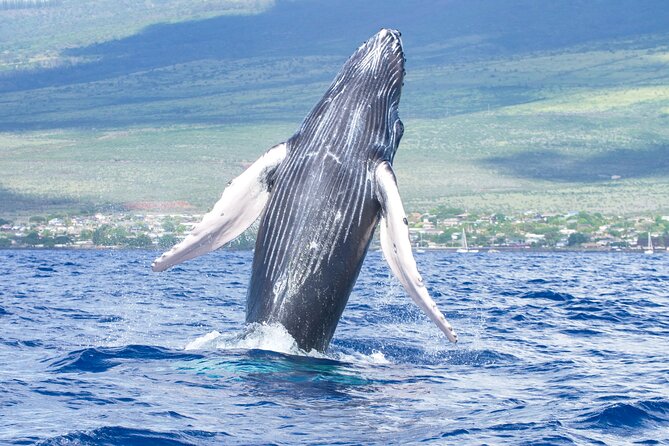
- Humpbacks in their breeding season (Dec through Mar) means you have a strong chance of seeing mothers, babies, and active males.
- Underwater hydrophones let you hear whale songs in real time as you spot them on the surface.
- A Maui-built catamaran feel: Winona is designed for comfort, with open deck viewing and lounge space.
- Included food and drinks: light snacks, soft drinks, juice, water, plus two adult beverages for those 21+.
- Crew focus on respectful viewing: engines are sometimes turned off so whales can approach on their own.
- Occasional dolphins add a bonus without turning the trip into a wild goose chase.
When the humpbacks are in: more Maui whale watches
- From Maalaea: Whale Watching Tour Aboard the Quicksilver★ 4.5 · 1,461 reviews
- Maui: Ultimate Whale Watch from Lahaina★ 5.0 · 1,162 reviews
- WHALES GUARANTEED Maui Whale Watching Makai Adventures★ 5.0 · 1,081 reviews
- Ma’alaea Harbor: Whale Watching Tour Aboard Power Catamaran★ 4.6 · 979 reviews
Winona from Maalaea: what the ride is really like
This starts at 233 Maalaea Rd, Wailuku, right by the water, and the tour ends back at the same place. Expect about 2 hours 30 minutes on the water, plus the usual time to get aboard, find seats, and settle in. One nice perk is the mobile ticket, so you are not juggling paper while you are trying not to drop your sunscreen.
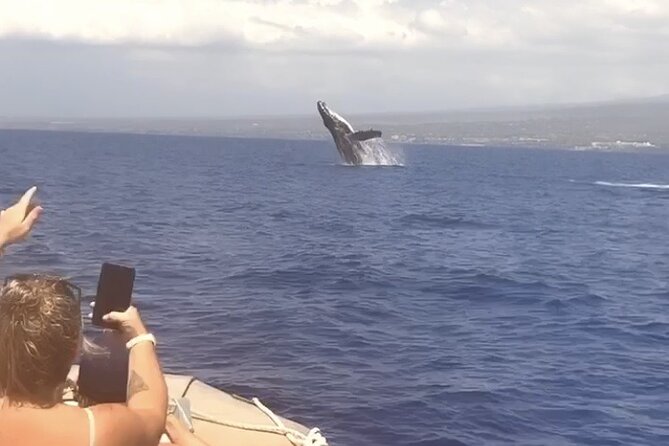
The vibe here is laid-back. You are on a catamaran, so you get stable viewing compared with smaller boats, and the layout gives you options. You can hang out inside on the main level if the sun is intense or the breeze gets annoying. Or you can head to the deck nets for a closer, higher “look through the rail” view. If you want the closest sightings, you will often want to stay ready on deck, since whales can pop up fast.
A lot of people love this because Winona is described as smaller and more intimate than larger catamarans, which matters when your goal is spotting. It is easier to rotate your body and track where the spotter points rather than fighting for a view. And yes, on deck you may find a no shoes rule, which is fine. Wet saltwater is saltwater. You still want good grip on the deck surface.
What you can realistically see: humpbacks, calves, and breaches
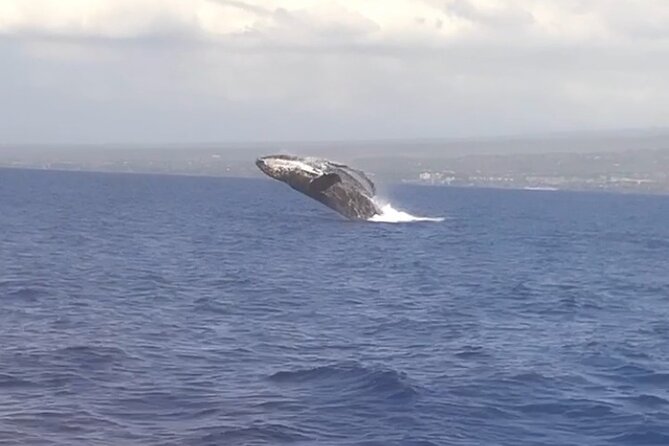
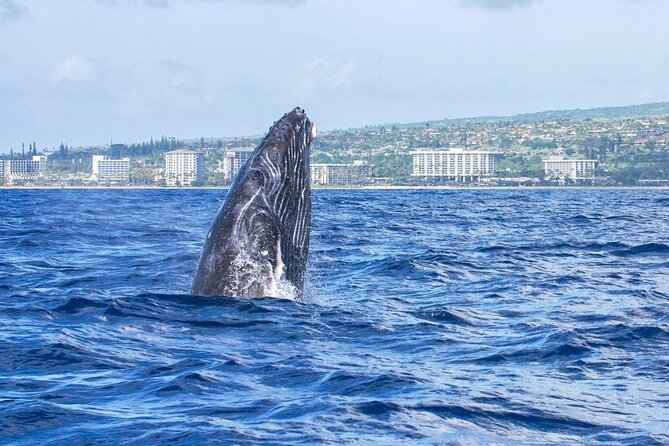
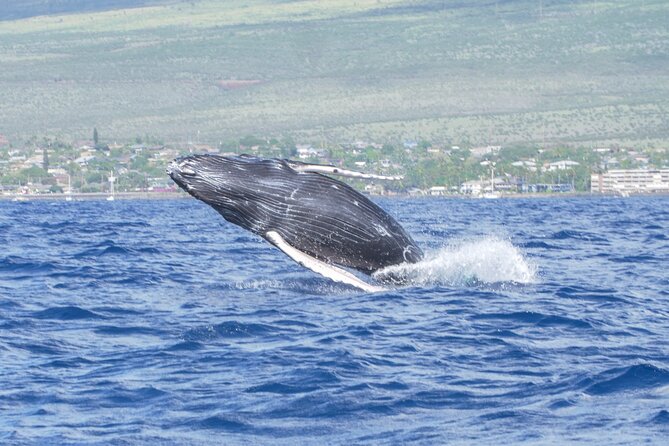
The headline is humpbacks. From December through March, hundreds of them migrate to Maui’s warmer waters to mate and give birth. This trip is timed to that season, and that is a big reason it performs so well for sightings.
On the best days, you see a lot of “whale behavior,” not just a distant spout. You might catch:
- breaches or big body rolls
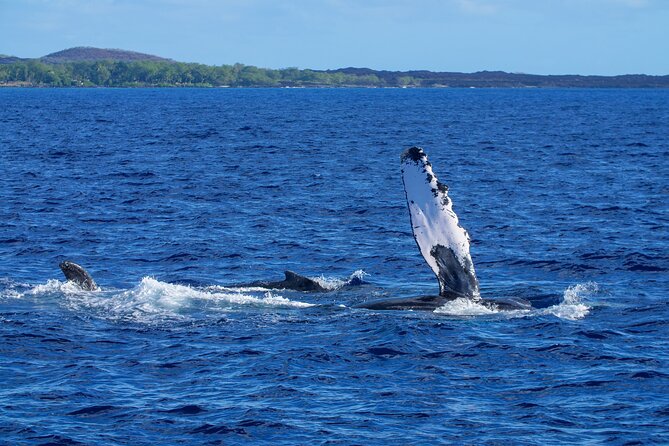
- fin slaps
- tail movement on the surface
- mothers with calves, plus escorting males
You also get the kind of guidance that helps your eyes work. The crew watches for spouts and surfacing patterns, then repositions the boat when they can. The goal is not just spotting one whale and moving on. It is more like chasing a whole neighborhood of whales, and that is why you might make a few different viewing locations during the trip. On some outings, people report seeing whales almost immediately after leaving the marina. On others, it can take a bit longer, especially later in the day. If you have flexibility, I’d generally aim for earlier departures when options exist.
And yes, you can get dolphins too. These are occasional dolphin encounters, not the core promise. Still, it is a nice extra when it happens because it keeps the water interesting even between whale sightings.
The underwater hydrophones: why the sound is a big deal
The standout tech here is the underwater hydrophones. These let you hear whale songs as they vocalize beneath the surface. This is one of those features you might skip over on paper, but it becomes the moment you remember.
Here’s why it matters: whale watching is visual, and sometimes the whales stay just out of perfect view. With hydrophones, you can still sense their presence. You might be hearing vocalizations even when the whale is moving through the water column rather than lingering at the top. It changes the whole experience from spot-and-skip to “I’m really with them.”
Several people also note the crew turns down or limits the onboard music at the right time so the whale audio comes through better. That is exactly what you want, because music is fun, but whale songs are why you paid for a whale tour.
One more practical tip: if you want to really listen, try to find a spot where you can hear clearly without wind blasting directly into your ears. The main level can help on blustery days, but it also depends on where the equipment is placed and how the boat is moving.
Views of West Maui, Molokai, and Lanai from a deck you can actually use
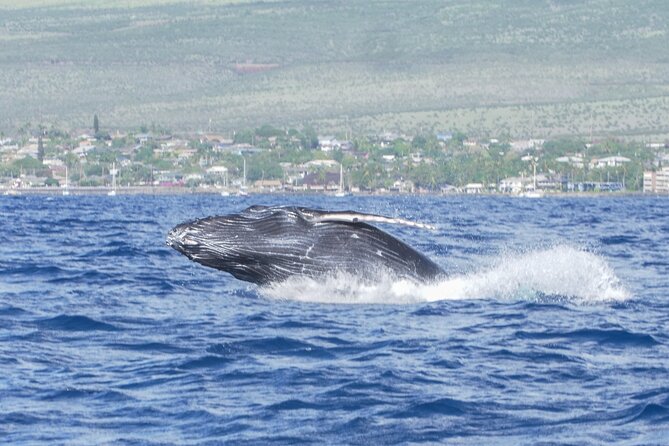
You are not just staring at water. The route typically gives you West Maui mountain views, with looks toward Molokai and Lanai. That matters even on days when whales are slower to show up, because the scenery keeps the trip from feeling like waiting in a boat.
The catamaran design also helps. You can lounge and watch without feeling trapped. People like being able to switch between shade and sun. The weather in Maui can change quickly, and wind is common in winter, so having both indoor and deck options is a real quality-of-life feature.
If you are the kind of person who likes photographing quickly, positioning helps. When you see a spout, try to move your feet early rather than waiting for the perfect frame. Whales can surface, exhale, and vanish fast, so staying ready beats chasing later.
A few more Maui experiences we would happily do again
Food, drinks, and the real value of the $85 price
At $85 per person, the ticket feels very fair for what you get, especially because it includes more than just “being on the boat.” Here’s what is included:
- light snacks
- soft drinks, juice, and water
- two adult beverages for guests 21+
- island-style music
- two restrooms
Value comes from the combination. Many tours sell the same “boat + whales” idea but charge extra for drinks or snacks. Here, you get a solid basic setup. On a boat, that makes a difference. You are out for a couple hours, you might be in the sun, and a salty snack is a small but welcome comfort.
Two adult beverages is a nice touch, and you should plan around it like a grown-up: drink slowly, sip water too, and use the bathroom before you settle into a long viewing stretch. It is also a reminder that this is a leisure outing, not a strict scientific expedition. Still, the crew’s focus on respectful viewing is part of what makes the experience feel worth it.
Comfort and motion: what to do when it gets windy
Good news: the boat’s catamaran stability helps. Bad news: Maui weather can still mean wind, and people do report windy days. If you are sensitive to motion, do not wait until you feel sick. Take your prevention steps early.
If you bring kids, this tour can work well. One family story that stands out is how the crew responded when a child started feeling seasick, moving them to a calmer spot up top and helping them feel better with an ice pack and Sprite. That kind of practical care is reassuring. It also tells you the crew is watching people, not just whales.
What you should bring:
- sunscreen (you will be out on deck)
- a hat or sunglasses
- a light layer for breezy conditions
- motion-sickness medication if you use it
- any infant essentials, since there is no hotel pickup
Also note: there are 2 restrooms, which is great on a 2.5-hour outing.
Dolphin encounters and respect for space: how close is close?
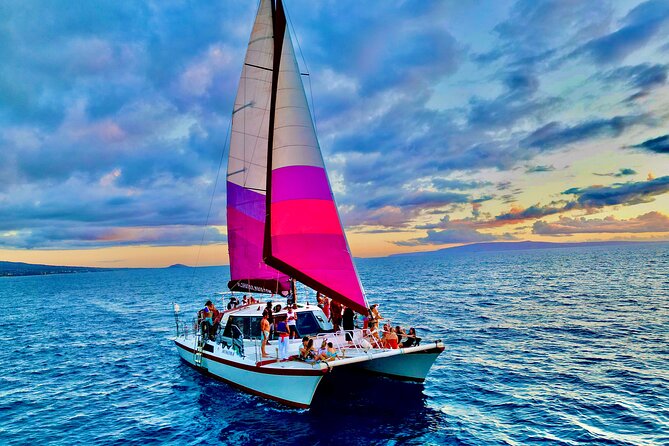
The experience aims for a close-up view, but the tone is clear: whales are not props. You can feel that in how the boat interacts with sightings. On some days, the captain turns off the engines so you can drift, which encourages whales to approach on their own rather than the boat forcing proximity.
That technique is part safety, part etiquette, and part pure whale-watching magic. When the engines are off, you often get a quieter “listening” moment, which pairs perfectly with the hydrophones. Then whales can approach, linger, and interact at a pace that feels natural.
You should still expect that “close” varies by day. Whales have their own schedules. The crew can reposition, but they cannot control the ocean. That is why the best mindset is: treat this as a hunt with smart repositioning, not a guarantee of one specific behavior.
Who should book this tour (and who might want a different plan)
This works best for:
- couples and families who want a classic Maui winter whale experience
- people who care about hearing the whale songs, not just seeing a spout
- anyone who prefers a smaller group feel on the water
- travelers who like lounge-and-watch comfort, with options for shade
It is not ideal for:
- travelers with mobility issues. The tour notes it is not recommended for mobility issues, and you should expect some physical movement around the deck.
- anyone who struggles with rough conditions. The experience requires good weather, and if it is canceled due to poor weather you get offered another date or a full refund.
If you are traveling with infants: kids 0–5 come for free, but parents must call the office to confirm. For infants 0–6 months, you must bring a Coast Guard approved life vest.
If you want a smoother search, consider going earlier in the day when the schedule allows. One review notes morning can be better than midday. I cannot promise that pattern every day, but it is a reasonable strategy if you have options.
Tips that make the difference on arrival and onboard
A few small moves can help you get the most out of the trip:
- Arrive early at Maalaea Rd and give yourself time to find the exact boat. One downside flagged is signage. Early arrival fixes that.
- Bring a bag that can handle a little spray. People can get wet, especially if they choose front-row net seating.
- If you want the best whale-song audio, watch for moments when the crew tones down music around active viewing.
- Keep sunscreen handy even if it looks cloudy. Maui sun does not wait for your comfort level.
- If you are asking questions, do it when the captain slows and everyone is settled. You’ll usually get the best answers then.
Also, you might meet different captains and crew depending on the day. People have mentioned Capt. Sam and Capt. Spencer, with crew members such as Megan, Carl, Stacey, and others. Whoever you get, the theme is the same: people who care about showing you what they are seeing, while staying respectful of the whales.
FAQ
FAQ
Where does the whale watching tour start?
The tour starts at 233 Maalaea Rd, Wailuku, HI 96793, USA, and it ends back at the meeting point.
How long is the tour?
It runs for about 2 hours 30 minutes.
What whales do you look for on this tour?
The tour focuses on humpback whales, which migrate to Maui from December through March.
Do you hear whale songs on board?
Yes. The tour includes underwater hydrophones so you can hear whale songs.
Are dolphin encounters included?
Dolphin encounters happen on occasions.
What’s included with the ticket price?
Light snacks are included, along with soft drinks, juice, and water. Guests aged 21+ receive 2 adult beverages. Island-style music is also included, plus 2 restrooms.
Are gratuities included?
No. Cash gratuities for the crew are not included.
Is hotel pickup and drop-off provided?
No. Hotel pickup and drop-off are not included.
Do children get a discount?
Infants and kids ages 0–5 come for free, but parents must call the office to confirm.
Do infants need a life vest?
For infants 0–6 months old, parents must bring a Coast Guard approved life vest.
What’s the cancellation plan if weather is bad?
The experience requires good weather. If it’s canceled due to poor weather, you’ll be offered a different date or a full refund.
Should you book this whale watching cruise from Maalaea?
If you want a classic Maui winter whale experience with real extras, I’d book this. The combination of up-close viewing, underwater hydrophones, and included snacks and drinks makes the $85 price feel like a fair deal rather than a basic add-on.
I’d think twice if you have mobility limits or if you know you struggle with motion on windy days. And do not leave your arrival to the last minute. The boat can be a bit hard to find at first, so arrive early and get settled before the search begins. If you do those two things, you’re set up for a very memorable, whale-filled afternoon on Winona.
More Tours in Maui
- Maui Pineapple Farm Tour in Haliimaile
★ 5.0 · 2,855 reviews - Small-Group Road to Hana Adventure Tour with Pickup & Lunch
★ 5.0 · 2,637 reviews - Maui Eco-Raft Tour: Eye-Level Whale or Dolphin Watching – Lahaina
★ 5.0 · 2,482 reviews - Road to Hana Adventure Maui Tour with Lunch
★ 5.0 · 1,832 reviews - From Maalaea: Whale Watching Tour Aboard the Quicksilver
★ 4.5 · 1,461 reviews
More Tour Reviews in Maui
- Maui Pineapple Farm Tour in Haliimaile
★ 5.0 · 2,855 reviews - Small-Group Road to Hana Adventure Tour with Pickup & Lunch
★ 5.0 · 2,637 reviews - Maui Eco-Raft Tour: Eye-Level Whale or Dolphin Watching – Lahaina
★ 5.0 · 2,482 reviews - Maui Snorkeling Adventure to Molokini and Turtle Town
★ 4.5 · 2,221 reviews - Maui: Haleakala Sunrise Spectacular with Local Breakfast
★ 4.5 · 2,155 reviews
Whale Season on Maui
- Maui Eco-Raft Tour: Eye-Level Whale or Dolphin Watching – Lahaina
★ 5.0 · 2,482 reviews - From Maalaea: Whale Watching Tour Aboard the Quicksilver
★ 4.5 · 1,461 reviews - Maui: Ultimate Whale Watch from Lahaina
★ 5.0 · 1,162 reviews - WHALES GUARANTEED Maui Whale Watching Makai Adventures
★ 5.0 · 1,081 reviews - Ma’alaea Harbor: Whale Watching Tour Aboard Power Catamaran
★ 4.6 · 979 reviews
More of Maui we have reviewed, from the crater to the coast
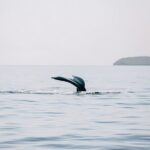

Maui Whale Watching Tours, compared.
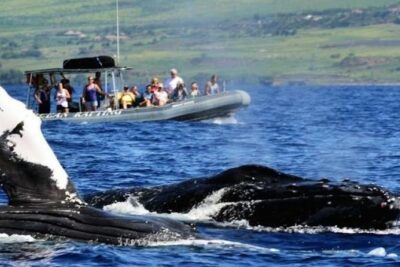 ★ 5.0Maui Eco-Raft Tour: Eye-Level Whale or Dolphin Watching – LahainaFrom $852,482 reviews
 ★ 4.5From Maalaea: Whale Watching Tour Aboard the QuicksilverFrom $491,461 reviews
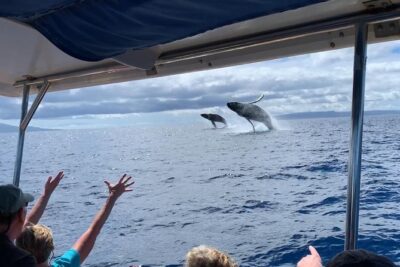 ★ 5.0Ultimate Whale Watch from LahainaFrom $771,162 reviews
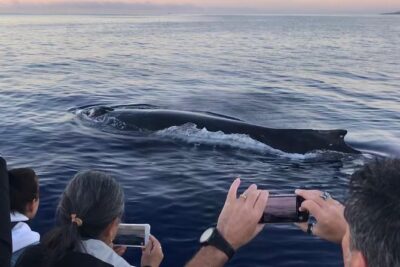 ★ 5.0WHALES GUARANTEED Maui Whale Watching Makai AdventuresFrom $971,081 reviews
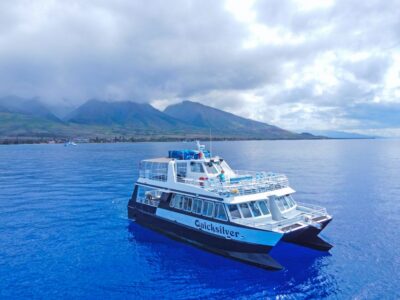 ★ 4.6Ma’alaea Harbor: Whale Watching Tour Aboard Power CatamaranFrom $49979 reviews
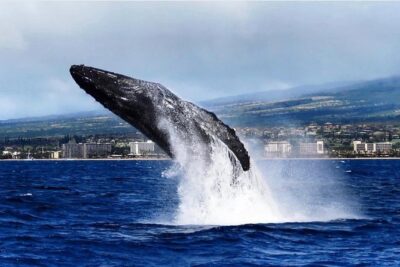 ★ 5.0Whale Watching Cruise with Open Bar from Ka’anapali BeachFrom $115802 reviews
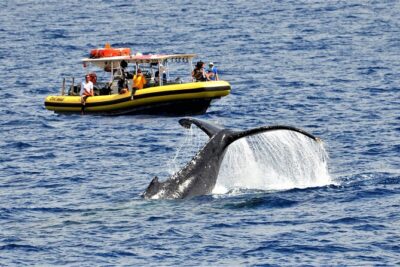 ★ 5.0Whale Watching Maui: 2-Hour Small Group Raft Tour from LahainaFrom $80661 reviews
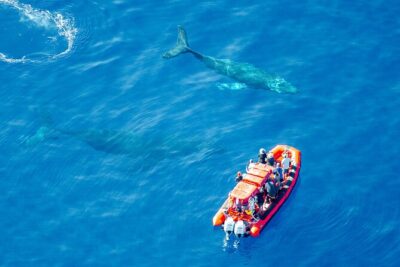 ★ 5.0Maui Whale-Watching Tour by Raft from KiheiFrom $84646 reviews
Browse the lists this tour appears in