
Reviewed · MAUI WHALE WATCHING TOURS
Whale Watching Experience
Whales close enough to notice their moods. This Ka’anapali humpback whale watch is built for sea-level viewing and a small, raft-style boat that keeps you right in the action. I love how the captain runs the search with an eye for behavior, and how the marine biologist-style crew info turns random sightings into something you can actually read—like when males are competing or when a mom and calf are nearby.
The one drawback to plan around is you may get wet and bouncy, especially if conditions are windy or if boarding happens via dinghy. If you’re sensitive to motion, tell the crew so you can position yourself well and avoid suffering through the waves.
In This Review
- Key highlights that matter on this whale watch
- Ka’anapali’s small raft-style boat: your best shot at close sightings
- Meet at Ka’anapali Beach, then board and get on the water fast
- Out on the water: how the captain hunts humpbacks
- What the crew adds: marine biology-style facts that make sightings click
- Comfort and safety details that make or break whale season
- Price and value: $102.20 for 2 hours of close viewing
- When you might get wet or feel motion: plan for the real ocean
- Should you book this Maui humpback whale watch?
- FAQ
- How long is the whale watching tour?
- Where do I meet for the tour?
- What is the group size like?
- What’s included in the price?
- What should I plan to pay for separately?
- Do I need to be in good physical shape?
- What if weather is bad?
Key highlights that matter on this whale watch
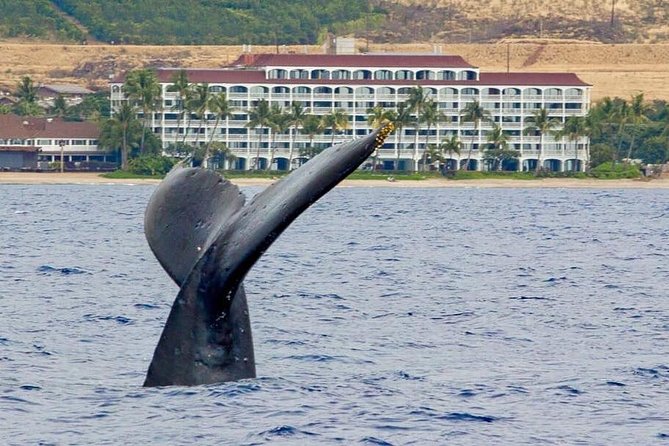
- Ka’anapali Beach launch: easy meetup at 2435 Kaanapali Pkwy, Lahaina area, with the trip ending back there
- Small vessel, max 20 people: more face-to-water time than big-boat setups
- Marine biology-style talk: you’re given behavior context, not just “look over there”
- Get close safely: you may be kept within about 100 feet when whales hang nearby
- Onboard practical comforts: canopy for sun, cold drinks, and extras like a toilet and sunscreen are mentioned
- Captain fast with positioning: groups of whales can lead to quick changes in where you ride
When the humpbacks are in: more Maui whale watches
- From Maalaea: Whale Watching Tour Aboard the Quicksilver★ 4.5 · 1,461 reviews
- Maui: Ultimate Whale Watch from Lahaina★ 5.0 · 1,162 reviews
- WHALES GUARANTEED Maui Whale Watching Makai Adventures★ 5.0 · 1,081 reviews
- Ma’alaea Harbor: Whale Watching Tour Aboard Power Catamaran★ 4.6 · 979 reviews
Ka’anapali’s small raft-style boat: your best shot at close sightings
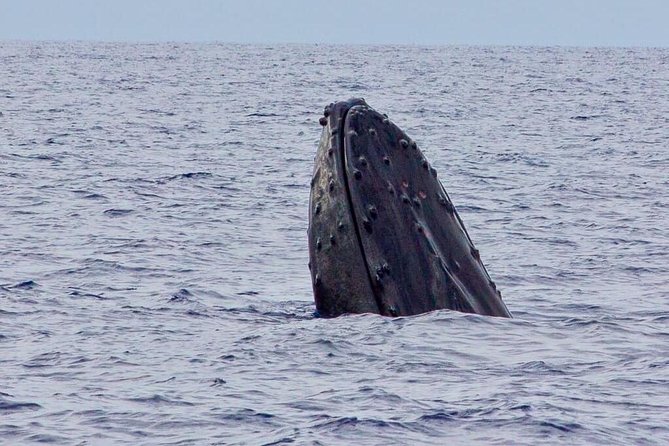
This isn’t a far-out, big-boat experience where you crane your neck for half a mile. You’re on Ka’anapali’s only raft-style boat, and the whole point is to keep you low and close to the waterline. In plain terms: the closer you are, the more you notice what whales are actually doing—surfacing timing, how they angle their bodies, and how different groups behave around the boat.
The raft-style design also tends to mean everyone gets a seat, not just “stand in the back and hope.” Several recent experiences highlight that people felt safer and more connected to what was happening outside, including moments where whales swim right under the boat. That’s the kind of detail you can’t fake, and it’s exactly what you’re paying for.
One more subtle win: the small group size. With a maximum of 20, you’re less packed in, and you’re more likely to have a clear view when whales change direction quickly. When a whale decides to pop up and linger, that extra visibility time can be the difference between a quick glance and a photo you’ll actually want to keep.
Meet at Ka’anapali Beach, then board and get on the water fast
Your meeting point is clear and central: 2435 Kaanapali Pkwy, Lahaina, HI 96761. The activity ends back at the same spot, so you’re not juggling a new location at the end of the trip.
What I like about this setup is how it fits into a Maui day. You can plan other things nearby before or after. The tour notes also say it’s near public transportation, which matters if you’re not renting a car for everything.
Boarding is where you should mentally prepare. One account describes going to a smaller dinghy and then pushing into the ocean so you can hop in, which may mean you’ll deal with wet sand and splash zones. On a calm day, it’s quick. On a windy or choppy day, it can be a bit more chaotic—especially if you have kids or anyone who needs extra stability.
Practical move: wear shoes you don’t mind getting wet (or use a strap-on style you can keep secure). If rain is possible, plan for that too. Even when it’s not raining, seawater spray is normal, and several experiences mention getting wet in the wind or surf.
Out on the water: how the captain hunts humpbacks
A great whale watch is mostly about positioning and timing. The captain’s job here is to find humpbacks and then get you close while still giving the animals space.
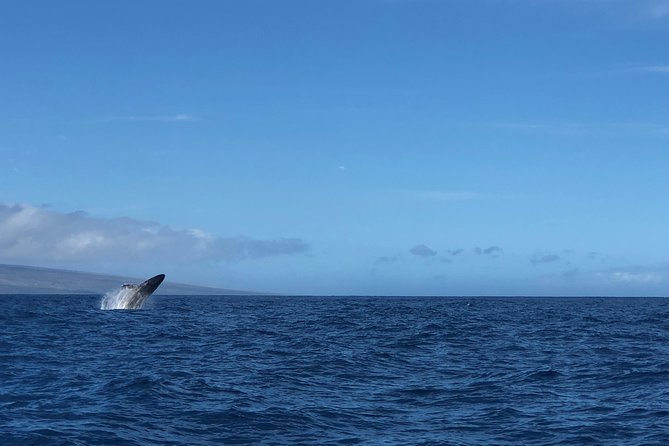
The best sightings described on this experience include multiple whale groups during the ride—mothers with calves, male groups competing, and whales that linger close enough that people felt like they were “in whale jail.” That phrase shows up for a reason: when whales hang around nearby (and you’re within roughly 100 feet), the crew may ask you to sit still so you don’t spook them or disrupt their movement.
You can also expect some moments of unpredictability. One experience notes a whale coming right up and another includes whales slapping a fin and staying near the surface for a long time. Another highlights that when the crew hears about a male competition elsewhere, they can head that way fast, so your trip doesn’t feel like a one-location drive-by.
The big takeaway for you: don’t assume a whale watch is “set it and forget it.” This one is about active searching and smart re-positioning, and that’s usually where the small-boat advantage shows up.
What the crew adds: marine biology-style facts that make sightings click
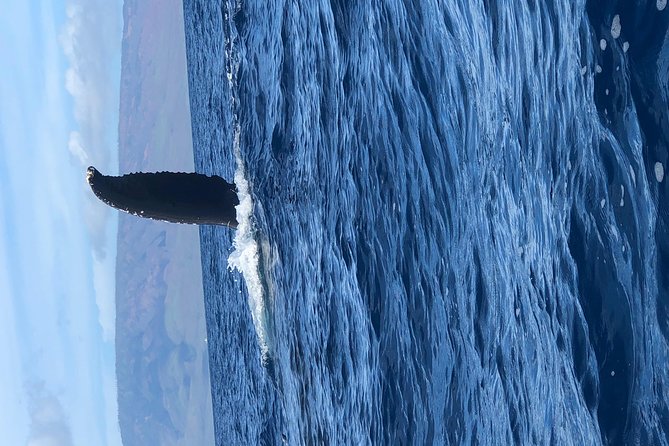
This tour is more than visual. It includes instruction—often described as marine biology training or a marine biologist on board—so you understand what you’re looking at.
Two names came through clearly in recent experiences:
- Bradley, the captain
- Bethany, the marine biologist
When that kind of role is present, it changes how you experience the water. Instead of just seeing “a big whale,” you get context, like why a male might be repeatedly surfacing or what it means when a mom and calf are together.
One standout example describes male competition happening within the first minutes out, with the crew steering to that action. Another mentions escort behavior and multiple groups of mothers and calves. Even if you’re not a whale expert, those are the kinds of details that turn the sighting into a story you can follow in real time.
Also, several experiences reference respect for the animals and environmental recommendations. That matters because the goal isn’t to chase whales until they disappear—it’s to watch them with space, then follow their lead when they come close.
A few more Maui experiences we would happily do again
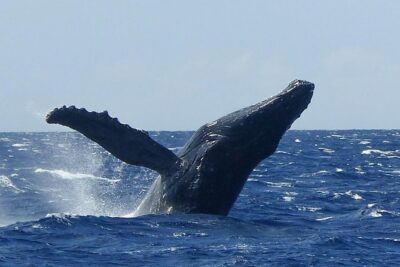
Comfort and safety details that make or break whale season
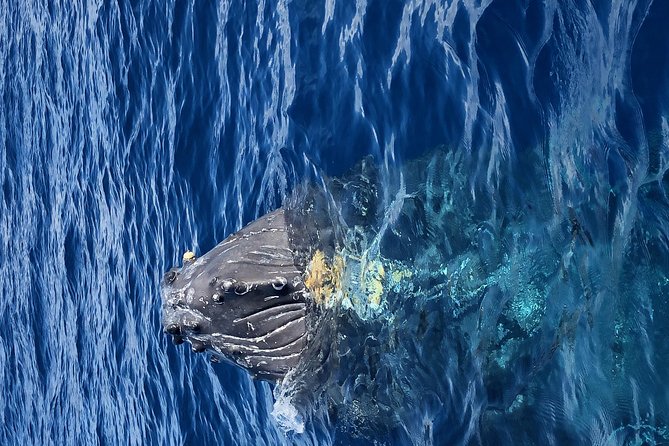
Two things can ruin a whale watch fast: bad sun management and poor stability. This boat setup tackles both.
- Canopy coverage: one account notes a canopy that helps with sun, which is a big deal on Maui when the sky is bright and the reflections off the water are intense.
- Safety-first vibe: multiple experiences describe the crew as focused on safety, including when conditions were choppy.
- Everyone gets a seat: with a smaller raft-style format, you’re less likely to end up standing in the wind the whole time.
Comfort details show up too. Recent mentions include:
- cold drinks on board
- a toilet onboard
- sunscreen being available
Add that to the included drinks (soda/pop and bottled water) and you’ve got fewer “survival” tasks mid-tour.
One more important note: this experience says moderate physical fitness is recommended. That doesn’t mean you need to be an athlete. It does mean you should be able to handle standing, boarding movements, and changes between boat and dinghy if conditions require it.
Price and value: $102.20 for 2 hours of close viewing
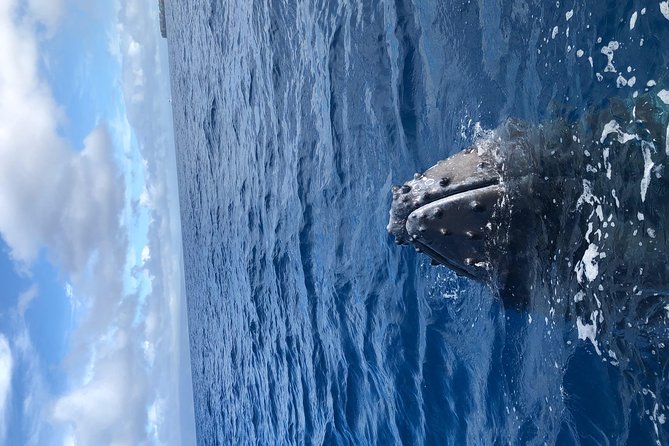
At $102.20 per person for about 2 hours, this whale watch isn’t the cheapest way to see whales on Maui. But it does have the kind of value that usually justifies the spend.
Here’s what you’re getting for the money:
- a small group capped at 20
- a close-to-the-water raft-style viewing setup
- onboard soda/pop and bottled water included
- marine-focused guidance, often described as marine biology training
- a boat format that can put you near whale action, not just distant sightings
If you’ve ever done a big-boat whale trip and felt like the whales were always just out of your best sightline, you’ll appreciate what small boats do. You don’t have to guess where to look as often, and you’re more likely to track behavior changes when whales surface repeatedly.
One practical value point: it’s not a half-day commitment. Two hours is enough time to find multiple groups if conditions cooperate, without hijacking your whole day.
When you might get wet or feel motion: plan for the real ocean
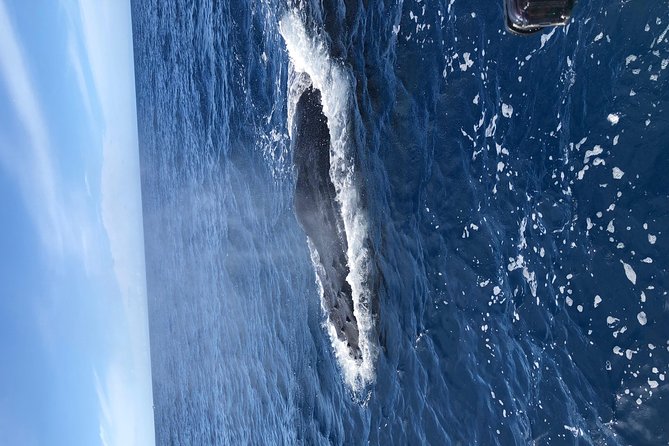
The ocean is not a theme park. Wind, chop, and rain can happen even when you plan well.
A couple of experiences warn you directly:
- Expect you may get wet, whether from spray or rougher water.
- Windy conditions can make the boat feel more active than you’d expect.
- If you’re prone to motion sickness, speak up so the crew can help you manage it.
The good news is that crew support shows up in the details. One account specifically mentions that they had tricks to help with motion sickness and that you should tell them if you need assistance. Another notes the crew handled a choppy day while keeping the experience safe and fun.
My practical advice: choose a spot where you can look out at the horizon (not down at the deck). Bring your usual motion-sickness plan, and if you have one, use it before you’re already queasy. Also bring a light layer for sun and wind, even if the morning starts warm.
If you hate surprises, this trip is still great. Just don’t act like you’ll stay dry and still the whole time.
Should you book this Maui humpback whale watch?
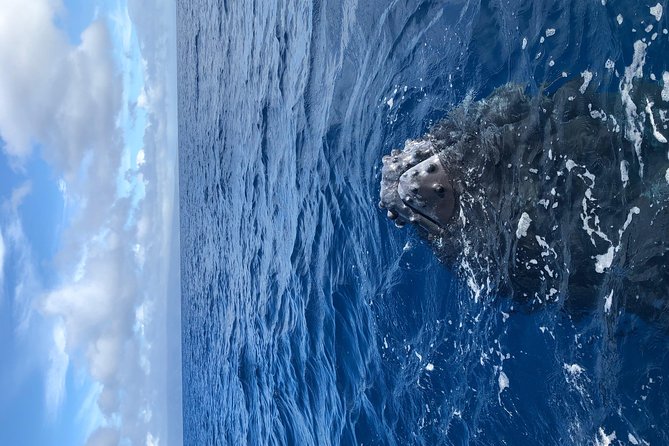
Book it if you want up-close viewing and you care about more than just spotting a whale for five seconds. The combination of a small group (max 20), raft-style positioning, and marine-biologist-style context makes it feel personal in the best way. I’d especially recommend it if you’re traveling with family and want everyone to have a fair chance at seeing the whales clearly.
Skip it or book with extra caution if:
- you need a very stable, dry ride with predictable boarding
- motion sickness is a serious issue for you and you’re not willing to prepare
- boarding by dinghy sounds like a stress you’d rather avoid
The bottom line: this is strong value for what matters most in whale watching—close proximity, practical comfort, and a crew that focuses on safe animal interaction while putting you in the right place at the right time.
FAQ
How long is the whale watching tour?
It runs for about 2 hours.
Where do I meet for the tour?
Meet at 2435 Kaanapali Pkwy, Lahaina, HI 96761, USA. The tour ends back at the same meeting point.
What is the group size like?
The tour has a maximum of 20 travelers.
What’s included in the price?
Soda/pop and bottled water are included.
What should I plan to pay for separately?
Tips for the crew are not included, and they accept cash or Venmo.
Do I need to be in good physical shape?
The tour recommends travelers have a moderate physical fitness level.
What if weather is bad?
The experience requires good weather. If it’s canceled due to poor weather, you’ll be offered a different date or a full refund.
More Whale Watching in Maui
- Maui Eco-Raft Tour: Eye-Level Whale or Dolphin Watching – Lahaina
★ 5.0 · 2,482 reviews - From Maalaea: Whale Watching Tour Aboard the Quicksilver
★ 4.5 · 1,461 reviews - Maui: Ultimate Whale Watch from Lahaina
★ 5.0 · 1,162 reviews - WHALES GUARANTEED Maui Whale Watching Makai Adventures
★ 5.0 · 1,081 reviews - Ma’alaea Harbor: Whale Watching Tour Aboard Power Catamaran
★ 4.6 · 979 reviews
More Tour Reviews in Maui
- Maui Pineapple Farm Tour in Haliimaile
★ 5.0 · 2,855 reviews - Small-Group Road to Hana Adventure Tour with Pickup & Lunch
★ 5.0 · 2,637 reviews - Maui Eco-Raft Tour: Eye-Level Whale or Dolphin Watching – Lahaina
★ 5.0 · 2,482 reviews - Maui Snorkeling Adventure to Molokini and Turtle Town
★ 4.5 · 2,221 reviews - Maui: Haleakala Sunrise Spectacular with Local Breakfast
★ 4.5 · 2,155 reviews
Whale Season on Maui
- Maui Eco-Raft Tour: Eye-Level Whale or Dolphin Watching – Lahaina
★ 5.0 · 2,482 reviews - From Maalaea: Whale Watching Tour Aboard the Quicksilver
★ 4.5 · 1,461 reviews - Maui: Ultimate Whale Watch from Lahaina
★ 5.0 · 1,162 reviews - WHALES GUARANTEED Maui Whale Watching Makai Adventures
★ 5.0 · 1,081 reviews - Ma’alaea Harbor: Whale Watching Tour Aboard Power Catamaran
★ 4.6 · 979 reviews
More of Maui we have reviewed, from the crater to the coast


Maui Whale Watching Tours, compared.
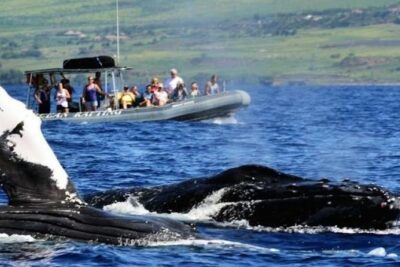 ★ 5.0Maui Eco-Raft Tour: Eye-Level Whale or Dolphin Watching – LahainaFrom $852,482 reviews
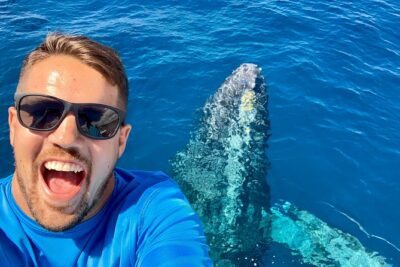 ★ 4.5From Maalaea: Whale Watching Tour Aboard the QuicksilverFrom $491,461 reviews
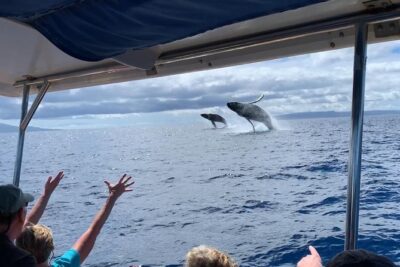 ★ 5.0Ultimate Whale Watch from LahainaFrom $771,162 reviews
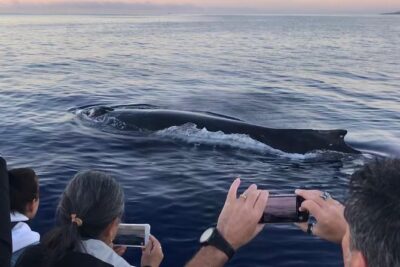 ★ 5.0WHALES GUARANTEED Maui Whale Watching Makai AdventuresFrom $971,081 reviews
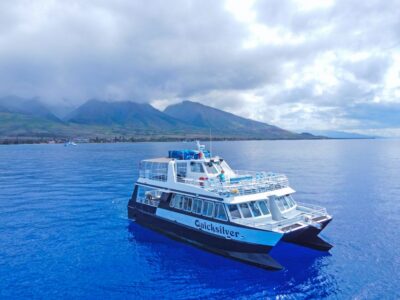 ★ 4.6Ma’alaea Harbor: Whale Watching Tour Aboard Power CatamaranFrom $49979 reviews
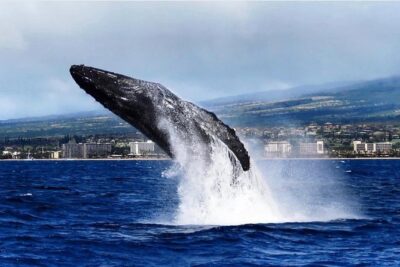 ★ 5.0Whale Watching Cruise with Open Bar from Ka’anapali BeachFrom $115802 reviews
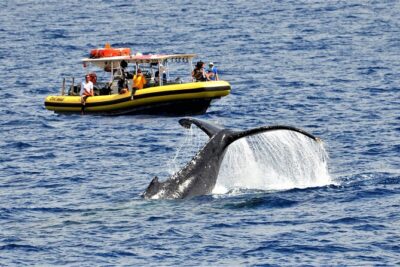 ★ 5.0Whale Watching Maui: 2-Hour Small Group Raft Tour from LahainaFrom $80661 reviews
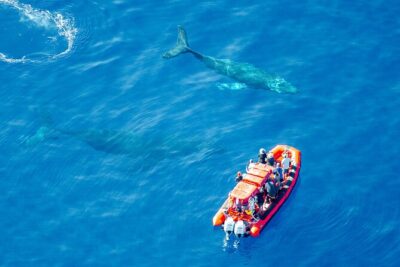 ★ 5.0Maui Whale-Watching Tour by Raft from KiheiFrom $84646 reviews
Browse the lists this tour appears in