
Reviewed · MAUI WHALE WATCHING TOURS
Whale Watch and Scenic Tour from Kayak
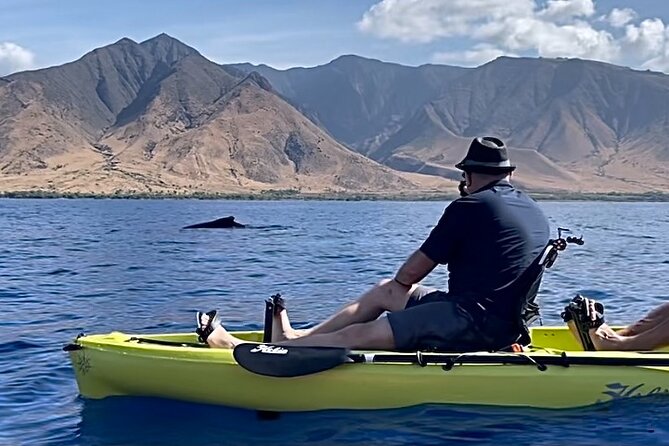
Pedal-powered whale hunting is a smart idea. You’re out on the water off Olowalu Beach in a tiny group, chasing humpbacks when they’re around, or enjoying a top-to-bottom scenic coast ride when they’re not.
I love that the kayaking is genuinely easy thanks to Hobie Compass Duo pedal-drive kayaks, so you keep your hands free for photos and even a snack. I also like the small-group feel, capped at 6 travelers, which means less waiting and more time actually on the water.
One heads-up: whale watching is only scheduled for Dec–Apr. If you book in other months, you’re signing up for the ocean scenery and wildlife chances, not guaranteed whales.
In This Review
- Key highlights you’ll feel right away
- Where Olowalu sets you up for a great kayak day
- Whale season Dec–Apr versus scenic months
- Hands-free pedaling on Hobie Compass Duo kayaks
- The on-water flow: brief, glide, search, and return
- What’s included: the practical stuff that saves your day
- Tips to make this trip smoother on your body and in your head
- Value, timing, and who should book this kayak outing
- Should you book this Olowalu whale watch and scenic kayak tour?
- FAQ
- When is whale watching included?
- How long is the kayaking experience?
- What type of kayaks are used?
- How big is the group?
- What’s included in the tour?
- What should I bring?
- What happens if the weather is bad?
- What’s the cancellation window?
Key highlights you’ll feel right away
- Small group (max 6) keeps the trip relaxed and personal.
- Hands-free pedaling on Hobie Compass Duo kayaks makes it easy to focus on sights.
- Whale season is Dec–Apr; outside those months it’s a scenic tour.
- Reef-aware guidance helps you get wildlife opportunities without turning it into a chaotic paddle.
- Wildlife and ecosystem education turns the ride into more than just sightseeing.
- Snacks and bottled water are included, so you’re not hunting for food mid-tour.
When the humpbacks are in: more Maui whale watches
- From Maalaea: Whale Watching Tour Aboard the Quicksilver★ 4.5 · 1,461 reviews
- Maui: Ultimate Whale Watch from Lahaina★ 5.0 · 1,162 reviews
- WHALES GUARANTEED Maui Whale Watching Makai Adventures★ 5.0 · 1,081 reviews
- Ma’alaea Harbor: Whale Watching Tour Aboard Power Catamaran★ 4.6 · 979 reviews
Where Olowalu sets you up for a great kayak day
The tour meets back at Olowalu, HI 96761, with kayaks staged right at the beach area. Practically, that matters: you’re not driving all over the island just to reach a launch site, and you’re not losing time to long shuttles. It’s also handy that this is near public transportation, in case you’re doing Maui without a full car plan.
When everyone shows up, the guide welcomes you, gets you organized into kayaks, and then runs a full safety and equipment briefing. I like how this is handled early. Before you ever hit open water, you get clear answers and you know what to do if something feels off. Then the real work starts in a good way: you get on hands-free pedal-drive kayaks and glide out along the West Maui coast.
Also, the time-of-day choice can make a difference. The water can feel calmer and more enjoyable when conditions line up, and you’ll enjoy it more if you pick a slot that matches your comfort level. The good news is the guide plans the route with the goal of safe, efficient viewing.
Whale season Dec–Apr versus scenic months
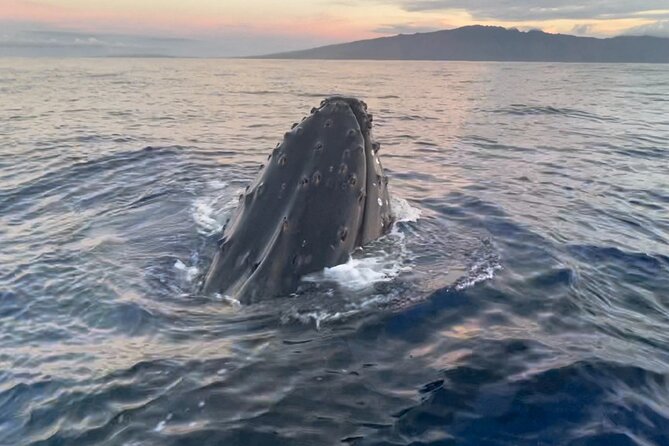
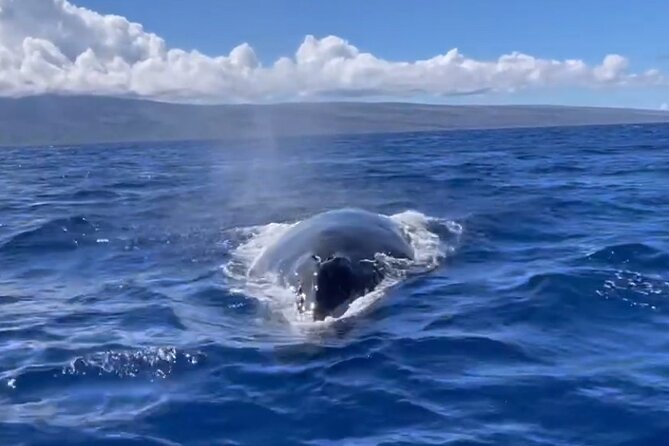
Here’s the most important thing to understand before you book: Whale season is Dec–Apr only. During those months, you head out searching for humpback whales, including what’s described as the most popular spot for sightings.
If you’re going outside that window, the experience becomes a scenic tour. That still isn’t a consolation prize. You’re on clear West Maui water with a real shot at seeing dolphins, turtles, and reef life along the way. The ride also gets you that ocean view you can’t get from land, looking out from the West Maui Mountains and coast.
The benefit for you is clear planning. You can align your expectations with the month you’re traveling. If your top priority is humpbacks, schedule Dec–Apr and treat other months as a wildlife-and-views bonus, not a promise.
One small wrinkle: some people do see whales even before full whale season, but that’s not the same as it being the plan. So if you’re aiming for humpback magic as your main goal, book in the season window and don’t count on it outside those dates.
Hands-free pedaling on Hobie Compass Duo kayaks
The kayaks are a big part of why this tour feels so approachable. The Hobie Compass Duo is a pedal-drive setup, which means you’re not doing the classic paddle-kayak workflow. Your hands can stay free for camera framing, video, or just holding on steady while you look around.
In real terms, that changes the whole vibe. When hands are free, you can watch for spouts and movement instead of constantly thinking about stroke technique. If you’re not an experienced paddler, you’ll still be able to focus on the scenery and wildlife.
The kayaks also support a “small-group pace.” With fewer people, you don’t get that stop-start feeling that can happen when there’s a lot of traffic on the water. You glide as a unit, with the guide guiding where you need to go and helping you avoid reefs.
Capacity details matter too:
- The weight limit is listed as 250 lbs per seat (or 425 lbs per kayak).
So if you’re right near the limit, plan for how your body fits comfortably and how you’ll move in/out of the kayak.
The on-water flow: brief, glide, search, and return

Once you’re outfitted, the guide handles the transition smoothly: loading assistance, quick orientation, then you’re moving. The first phase is about getting your balance and rhythm. Because you’re pedaling, you’ll find your pace faster than you might in a paddle-only kayak.
Then comes the main event depending on the season:
- Dec–Apr: you paddle out searching for humpback whales and head toward the most popular viewing area.
- Outside whale season: you cruise toward a gorgeous ocean look-out out of the West Maui Mountains, with wildlife opportunities along the way.
The route also focuses on reef safety. One of the standout themes from what you’ll hear from guides in this area is navigating in a way that avoids damage. That’s not just good ethics. It protects what you came to see. Less scuffing and careful movement means the water life you spot has a better chance of staying healthy.
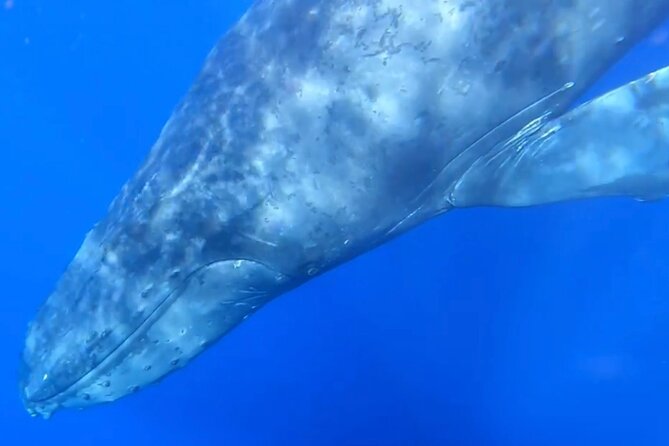
Wildlife viewing can get very specific. During whale season, you’re not only looking for whales at the surface. You may also get whale sound experiences through a hydrophone, in situations where the guide uses it during encounters. If whales are active, you can also catch the rhythm of a whale’s behavior rather than just ticking off a sighting and rushing away.
After the tour, you glide back to the meet-up spot. The guide helps you unload, and you wrap up with the quiet satisfaction of having seen Maui from sea level in a way most people don’t.
More paddle-and-snorkel outings off Maui


What’s included: the practical stuff that saves your day
This is one of those tours where the included items actually help. You get:
- A light snack
- Bottled water (1 bottle)
- All kayaking and safety equipment
- A small cooler plus music
- Permits
- A safety briefing
- An expert local guide
- Hawaii wildlife and ecosystem education
That set of inclusions matters because it reduces friction. You don’t need to bring the lifejacket situation, and you’re not scrambling for something to eat after a morning (or early afternoon) on the water.
What you don’t get is just as important:
- Sunglasses and hat (you’ll want them)
- Towel
- Reef-safe nonspray sunscreen
- Extra beverages or snacks
- Camera gear
My practical advice: bring the basics like sun protection and a towel even if you feel like you’re “just going for a short ride.” Ocean glare can be intense, and you’ll be happier if you land back at the beach comfortable instead of wishing you packed a solution.
Tips to make this trip smoother on your body and in your head
Kayaking is simple, but it still has motion. A few habits make a difference.
First, dress for sea spray and sun. Even if the water looks calm, you can get damp from wind and movement. Reef-safe nonspray sunscreen is what you’re expected to use, so check what you already own before you arrive.
Second, think about your tech. Because the pedaling frees your hands, it’s easier to video thoughtfully. But keep in mind that you may be using both your balance and your grip, especially if the ocean isn’t perfectly glassy. Bring your camera gear in a way that stays secure and easy to handle.
Third, match your expectations to the month. If you’re in Dec–Apr, your plan is whale search. If you’re outside that window, focus on dolphins, turtles, reef life, and the West Maui coastline views from the waterline.
Finally, listen to the guide early. The difference between a good trip and a great one is usually how fast you learn the “how” on the first minutes. Once you get your rhythm and know where to look, the rest of the tour feels effortless.
Value, timing, and who should book this kayak outing
This experience is priced as an inshore guided activity that includes the boat-equivalent gear (safety equipment and kayak setup), plus education, plus a small-group cap. The value is in that mix: you get the human guidance and the easy pedaling without adding a pile of your own equipment costs.
Timing-wise, it’s a great option if you want:
- A few hours of active sightseeing without strenuous hiking
- A unique viewpoint of West Maui from ocean level
- A small-group experience rather than a crowded boat
It’s also a strong fit if you’re traveling as a couple, friends, or solo and want to keep the group size low. With max 6 travelers, you’ll likely feel like you’re part of a small expedition, not a conveyor belt.
Who should be cautious:
- If you strictly need humpback whales to be the whole point, book Dec–Apr.
- If you’re near the weight limit listed per seat/kayak, double-check comfort and mobility before booking.
- If you’re expecting a long, winding “learn every landmark” tour, this is more about being on the water with wildlife and views than about land stops.
Should you book this Olowalu whale watch and scenic kayak tour?
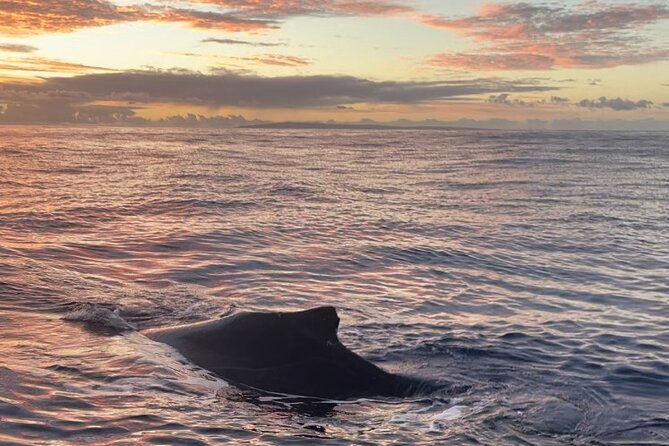
Yes, if you’re aiming for an easy, guided, small-group water experience where you can actually enjoy the scenery without paddling fatigue. The hands-free pedaling on Hobie Compass Duo kayaks is the standout reason to pick this, and the tiny group size keeps it relaxed.
If whale watching is your top priority, I’d book within Dec–Apr and treat other months as a scenic-and-wildlife chance. Either way, you’ll be out on the West Maui coast looking at the ocean from a perspective you just can’t recreate from shore.
If you’re flexible, this tour gives you a nice balance: chance for whales (seasonal), plus realistic wildlife sightings like dolphins and turtles, plus a guided route that respects the reefs.
FAQ
When is whale watching included?
Whale watching is only scheduled for Dec–Apr. Outside that period, the trip is a scenic tour only.
How long is the kayaking experience?
The duration is about 2 hours 30 minutes.
What type of kayaks are used?
You ride hands-free pedal-drive Hobie Compass Duo kayaks.
How big is the group?
The maximum group size is 6 travelers.
What’s included in the tour?
Included are a light snack, 1 bottle of bottled water, all kayaking and safety equipment, plus an expert local guide, wildlife and ecosystem education, a small cooler, music, and required permits.
What should I bring?
Bring sunglasses, a hat, a towel, reef-safe nonspray sunscreen, and any extra beverages or snacks or camera gear you want.
What happens if the weather is bad?
The experience requires good weather. If it’s canceled due to poor weather, you’ll be offered a different date or a full refund.
What’s the cancellation window?
You can cancel for a full refund up to 24 hours before the experience starts. If you cancel less than 24 hours before, the amount paid is not refunded.
More Tour Reviews in Maui
- Maui Pineapple Farm Tour in Haliimaile
★ 5.0 · 2,855 reviews - Small-Group Road to Hana Adventure Tour with Pickup & Lunch
★ 5.0 · 2,637 reviews - Maui Eco-Raft Tour: Eye-Level Whale or Dolphin Watching – Lahaina
★ 5.0 · 2,482 reviews - Maui Snorkeling Adventure to Molokini and Turtle Town
★ 4.5 · 2,221 reviews - Maui: Haleakala Sunrise Spectacular with Local Breakfast
★ 4.5 · 2,155 reviews
Kayak and Snorkel, Maui
- Maui Clear Kayak and Snorkel Tour: Swim with turtles (Makena)
★ 5.0 · 551 reviews - Maui: Turtle Town Kayak and Snorkel Tour
★ 4.7 · 345 reviews - Turtle Reef Kayak Tour of Makena, Maui
★ 4.5 · 328 reviews - Clear Kayak Tour with Pontoons and Optional Snorkeling-Unlimited
★ 5.0 · 224 reviews - Kayak & Turtle Town Snorkel(Turtles Guaranteed) + Whale Watching
★ 5.0 · 196 reviews
Whale Season on Maui
- Maui Eco-Raft Tour: Eye-Level Whale or Dolphin Watching – Lahaina
★ 5.0 · 2,482 reviews - From Maalaea: Whale Watching Tour Aboard the Quicksilver
★ 4.5 · 1,461 reviews - Maui: Ultimate Whale Watch from Lahaina
★ 5.0 · 1,162 reviews - WHALES GUARANTEED Maui Whale Watching Makai Adventures
★ 5.0 · 1,081 reviews - Ma’alaea Harbor: Whale Watching Tour Aboard Power Catamaran
★ 4.6 · 979 reviews
More of Maui we have reviewed, from the crater to the coast

Maui Whale Watching Tours, compared.
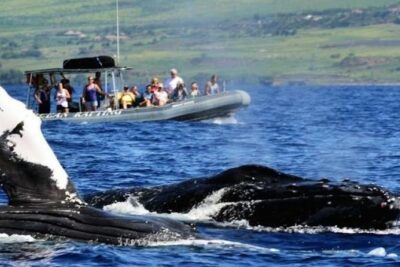 ★ 5.0Maui Eco-Raft Tour: Eye-Level Whale or Dolphin Watching – LahainaFrom $852,482 reviews
 ★ 4.5From Maalaea: Whale Watching Tour Aboard the QuicksilverFrom $491,461 reviews
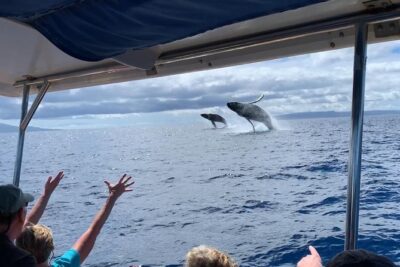 ★ 5.0Ultimate Whale Watch from LahainaFrom $771,162 reviews
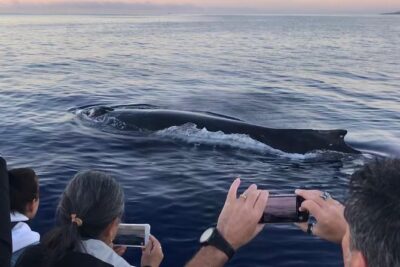 ★ 5.0WHALES GUARANTEED Maui Whale Watching Makai AdventuresFrom $971,081 reviews
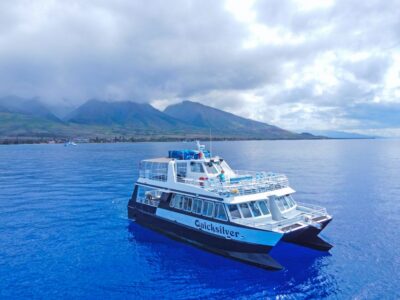 ★ 4.6Ma’alaea Harbor: Whale Watching Tour Aboard Power CatamaranFrom $49979 reviews
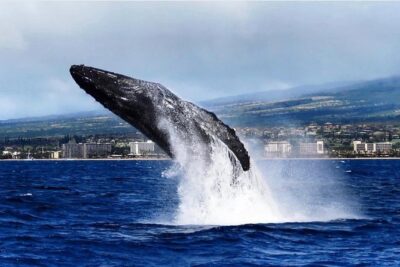 ★ 5.0Whale Watching Cruise with Open Bar from Ka’anapali BeachFrom $115802 reviews
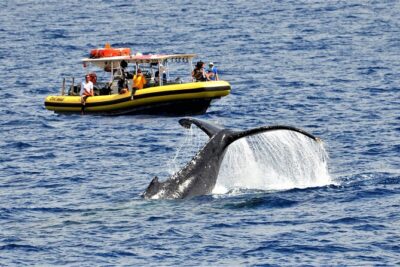 ★ 5.0Whale Watching Maui: 2-Hour Small Group Raft Tour from LahainaFrom $80661 reviews
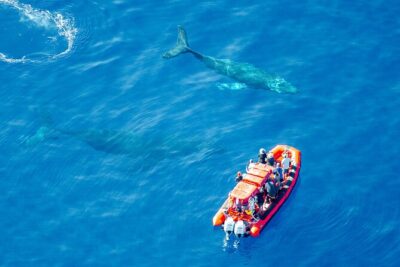 ★ 5.0Maui Whale-Watching Tour by Raft from KiheiFrom $84646 reviews
Browse the lists this tour appears in