
Reviewed · MAUI SCUBA DIVING
Turtle & Shark Scuba Dive in Lahaina: Certified
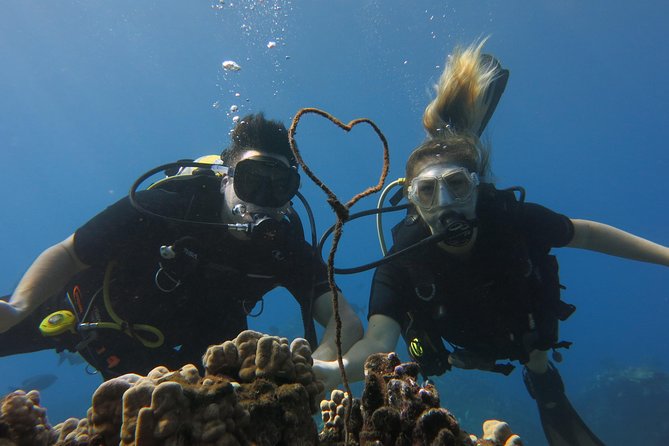
Turtles and reef sharks at a Maui shoreline. This certified-only Lahaina scuba tour runs about two hours and keeps things personal with an instructor plus a group capped at 8. You’re not doing a long commute or a complicated day plan, either—meeting and getting in the water is the whole focus.
I love that the equipment is provided, so you’re not hunting for fins, mask, or tanks on vacation. I also like that the plan is tailored to your experience, which matters when the group includes a mix of comfort levels and buoyancy skills. You’ll get clear safety setup, then your guide keeps the attention on what you’re doing.
One thing to plan around: you need recent certification and you must wait 18 hours after scuba before flying or going above 1,000 feet (including Haleakalā). And since it’s a shore entry, you also need to be able to carry about 30 pounds briefly.
In This Review
- Key highlights worth knowing
- Lahaina’s turtle-and-shark underwater time is built for certified divers
- Meeting at Front Street: how to check in without wasting daylight
- Equipment and instruction: what “private attention” feels like
- The underwater target: turtles, reef sharks, and small surprises
- How long you’ll actually be in the water (and why it varies)
- After the session: the 18-hour rule that can mess up your flight
- What’s included vs. what you should bring
- Weather, small caps, and what happens if conditions aren’t right
- Who this is best for (and who should skip it)
- Should you book this Lahaina turtle-and-shark scuba tour?
- FAQ
- Is this scuba tour for certified divers only?
- How long is the experience?
- Where do we meet for the tour?
- Do they provide scuba equipment?
- Do I need to sign a waiver before arriving?
- Is there food or water included?
- What should I know about timing after scuba?
- What if the weather is poor?
Key highlights worth knowing
- Certified divers only, shore entry in Lahaina: You meet near Front Street and go to the water from there.
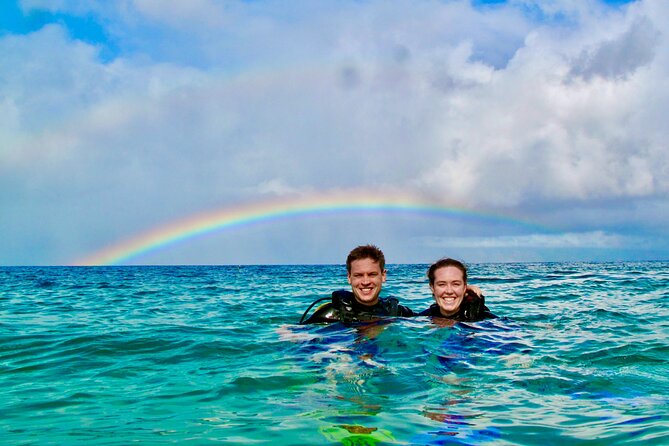
- Small group feel (max 8): Even though it’s a guided group, the setup is meant to feel personal.
- Equipment included: You just show up with your certification and your comfort level.
- Animal encounters are the point: Turtles show up often, with reef sharks noted in multiple experiences.
- 18-hour rule after scuba: It can affect your flight or your plans for Haleakalā.
More Maui dives, from first tank to fully certified
- 2 Tank Lanai Cathedral Scuba Dive Via Boat for Certified Divers★ 5.0 · 548 reviews
- Small-Group Shark and Turtle Dive for Certified Divers★ 5.0 · 219 reviews
- Beginner Scuba Dive in Lahaina: Swimming Required★ 5.0 · 219 reviews
- Discover Scuba Diving Class from Lahaina★ 5.0 · 185 reviews
Lahaina’s turtle-and-shark underwater time is built for certified divers
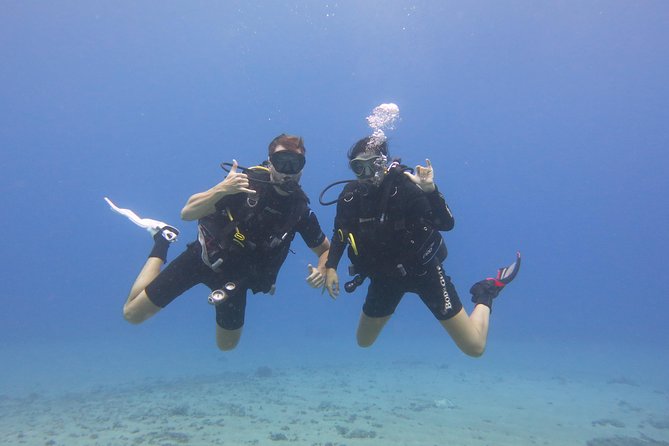
This is a shore-based scuba experience in Lahaina for certified divers only. That one detail changes everything. You’re not learning basics from scratch; you’re expected to already know how to handle buoyancy, breathing, and controlled descent/ascents. The payoff is that the guides can spend more time on the real goal: seeing the sea life up close while staying calm and safe.
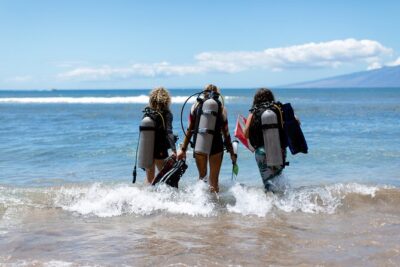
The format also stays refreshingly straightforward. You meet at the dive site area (near the scuba truck), you show your certification, you sign the waiver online, you get a safety briefing, and you walk down to the ocean. In other words: less day-drama, more water time.
Price-wise, $259 per person for an about-2-hour outing doesn’t look “cheap.” But it includes scuba equipment and a private instructor/guide, and the group size is capped at 8. For Hawaii, that’s a pretty clear value equation—especially if you’d otherwise have to rent gear and figure out logistics yourself.
Meeting at Front Street: how to check in without wasting daylight
You start in Lahaina at Ala Moana Street, specifically near the corner area around Ala Moana Street and Front Street. The instructions are practical: look for the scuba truck parked near that corner.
At check-in, you’ll need to show your scuba certification card. Also, plan on signing the online scuba waiver before arrival. If you forget either step, you’ll slow down the whole group. If you arrive early, you’ll likely get through check-in faster and get your safety briefing with less rushing.
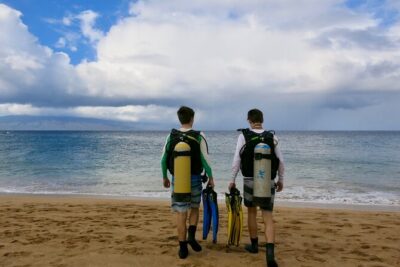
Then comes the simple part: after the briefing, you walk to the ocean from the truck area on Front Street. Since it’s shore entry, you’re dealing with a short walk and getting your gear sorted in real time. If you’re bringing your own items, keep them easy to grab and pack.
Equipment and instruction: what “private attention” feels like
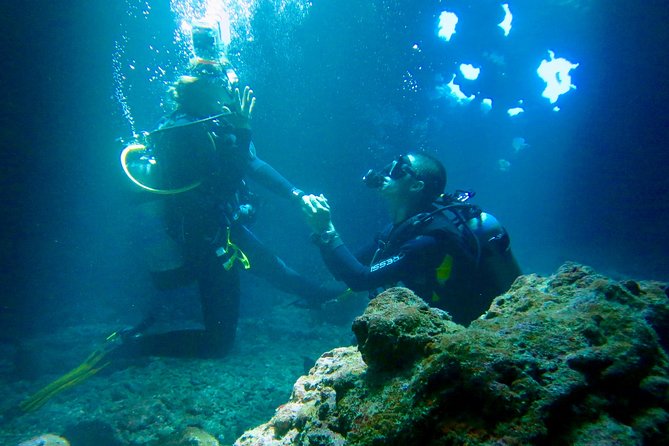
The tour includes the use of scuba equipment. That usually means the essentials are handled for you—so you won’t burn time and budget on rentals just to enjoy one ocean outing.
The instruction is geared toward your comfort level. The experience is described as tailored to guests’ diving experience, and the reviews consistently reinforce that the guides teach in a calm, confidence-building way. Names that show up in the feedback include Simon, Shane, Dave, Caitlin, Abby, Jen, and Kevin. Across those accounts, the common theme is that safety comes first, but the tone stays relaxed.
For first-time ocean divers, the “tailored” part matters a lot. One example: a parent-and-teen party mentioned feeling very safe while still being able to enjoy turtles, reef life, and coral. Another account described a first ocean entry where patience made a big difference in confidence. That’s the kind of coaching style that turns a stressful experience into a memorable one.
The small group size also supports the “private attention” claim. When you’re with fewer people, your guide can adjust pacing, buoyancy reminders, and where you spend time based on what the group can comfortably manage.
The underwater target: turtles, reef sharks, and small surprises
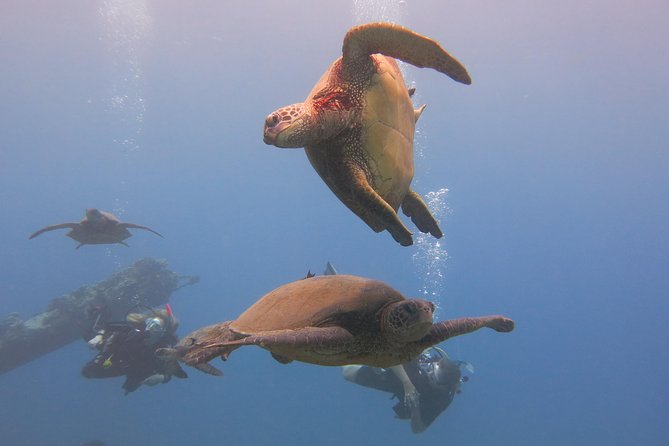
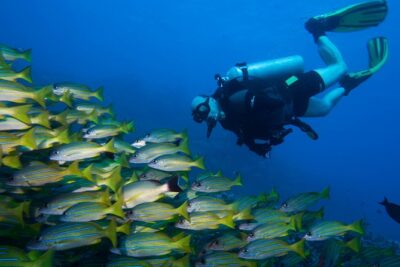
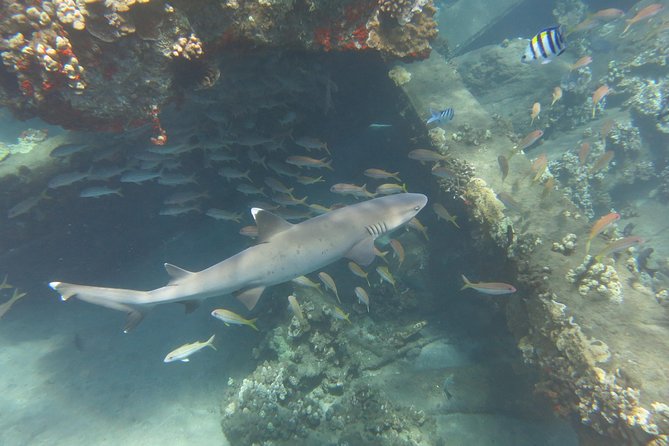
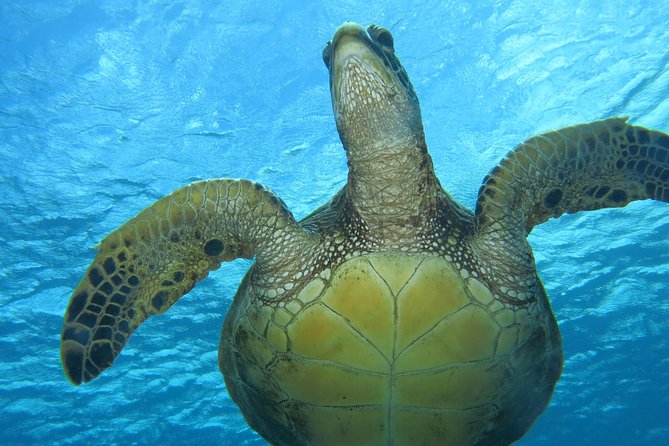
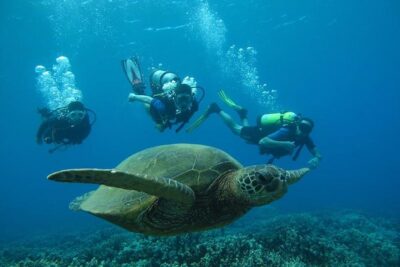
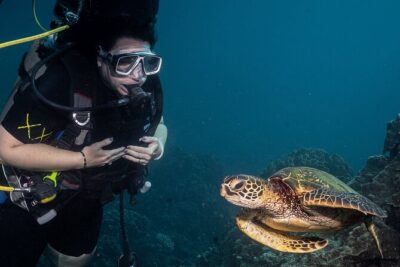
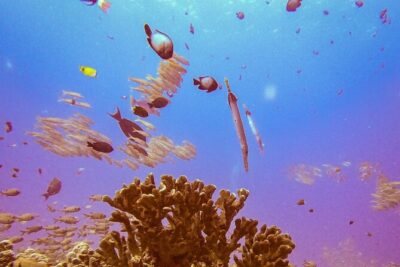
The whole identity of this tour is Turtle & Shark—so plan on wildlife focus, not a long sightseeing lecture. Multiple experiences highlight turtles as a frequent highlight, including sightings close enough to really appreciate how they move and feed. A few reports also mention reef sharks, including white-tip reef sharks, and at least one mention of about eight sharks on a session.
One especially specific detail: a “turtle cleaning station” was part of the underwater scene for one group. If you’re picturing turtles just passing by, this is different. Cleaning stations can create predictable behavior—turtles linger, fish gather, and the whole area feels busier underwater. You’ll want to watch quietly rather than chase.
Other life gets spotted too. One account mentioned a black seahorse, and that kind of surprise is exactly why I like wildlife-focused scuba outings. You don’t need a checklist to enjoy it—you just need good buoyancy and patience while the reef does its thing.
A few more Maui experiences we would happily do again
How long you’ll actually be in the water (and why it varies)
The tour is listed at about 2 hours total. That typically includes meeting, gear setup, and your safety briefing, then the walk down and the underwater time. The actual water window can flex depending on conditions and how the group is doing.
One group reported a 45-minute underwater time. That’s helpful as a ballpark, but you should treat it as variable rather than guaranteed. Conditions can change how long you spend at depth and how quickly you cycle through the plan.
What doesn’t vary much is the approach: the guide adjusts to your level. If you’re comfortable and can control your buoyancy well, you’ll likely have a smoother, calmer experience. If you’re still getting used to the sensation, you’ll want to trust the guide and slow down your movements. In scuba, slow is smooth, and smooth keeps you focused on the animals.
After the session: the 18-hour rule that can mess up your flight
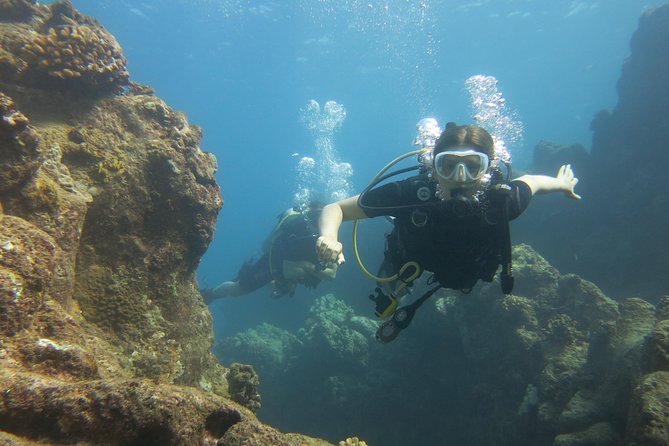
Here’s the rule you must not ignore: you must wait at least 18 hours before ascending above 1,000 feet. That includes flying, zip-lining, or ascending Haleakalā after scuba.
In Maui planning terms, this is the biggest “schedule risk” of the entire day. If you have a late flight next day, a morning Haleakalā trip, or a planned zip-line right after, it can collide with your 18-hour timeline. I’d work backward from your flight time or your highest-altitude plan and pick your scuba time accordingly.
Also remember: you need to have recent dive experience to complete the activity. The tour is for certified divers, but “certified” alone isn’t always enough in real-world safety planning. Bring proof, and make sure your comfort and recent practice match what your certification implies.
What’s included vs. what you should bring
Included:
- Scuba equipment
- Instructor/guide support (private guide attention)
- Snacks: granola bars are available upon request
Not included:
- Private transportation
- Bottled water (and you’re encouraged to bring your own reusable bottle)
This is one of those details where the value is in the tradeoff. You’re paying for the gear and professional guidance, not for a bottled-water stash. If you want the snack-and-water routine, plan on asking for granola bars if you want them, and bring a reusable bottle so you don’t end up paying extra or scrambling after your session.
The tour also asks for moderate physical fitness and the ability to carry 30 pounds on your back for a short distance. That doesn’t mean you need to be an athlete. It does mean you should be comfortable with gear and short effort. If carrying heavy items is a struggle, consider either arriving already prepped or asking about any workable alternatives before you commit.
Weather, small caps, and what happens if conditions aren’t right
This experience requires good weather. If it’s canceled due to poor weather, you’ll be offered a different date or a full refund.
There’s a practical lesson in the feedback: conditions can shift quickly in the ocean, and a good guide adapts. One account mentioned that conditions weren’t ideal because of a storm offshore, but the instructor took the group to a nicer shore location and they still saw plenty of sea life. That’s a sign of competence—your day stays productive even when the ocean has other plans.
Finally, the maximum group size is 8 travelers. That ceiling tends to protect the experience quality: less congestion underwater, more chances for your guide to respond to your needs, and a better shot at seeing wildlife without feeling rushed.
Who this is best for (and who should skip it)
This is best for you if:
- You’re a certified scuba diver
- You want a wildlife-focused session with turtles and a realistic chance of reef sharks
- You prefer small groups and direct attention from an instructor
- You’re comfortable with a shore entry and a short gear carry
You should probably skip it if:
- You’re not certified or you don’t have recent experience
- You can’t meet the short carry requirement
- You can’t respect the 18-hour wait after scuba due to your flight or a high-altitude plan
Families can work well, especially since the guides are repeatedly described as patient and safety-first. Couples also do well here because the small-group format tends to feel personal, even in a guided setting. Solo divers get the same structured attention, just with a different vibe in the group.
Should you book this Lahaina turtle-and-shark scuba tour?
If you’re a certified diver and you want a Maui shoreline experience built around turtles and reef life, I think this is a strong pick. The value isn’t just the $259 price—it’s the combination of equipment included, small group size, and instruction that’s clearly designed to keep you safe while still letting you enjoy what’s in front of you.
The main reasons to pause are logistical: the 18-hour rule and the need for recent dive experience, plus the short physical gear carry. If those fit your schedule and fitness level, book it. If they don’t, you’ll enjoy your trip more by choosing a day and plan that leaves room for breathing, buoyancy, and that post-scuba waiting window.
FAQ
Is this scuba tour for certified divers only?
Yes. This is a shore dive for CERTIFIED DIVERS only, and you must show your scuba certification card at check-in.
How long is the experience?
It’s listed at about 2 hours.
Where do we meet for the tour?
Meet at the dive site area near Ala Moana Street and Front Street in Lahaina. You should look for the scuba truck parked near that corner.
Do they provide scuba equipment?
Yes. The tour includes the use of scuba equipment.
Do I need to sign a waiver before arriving?
Yes. You’re instructed to sign the online scuba waiver before arrival.
Is there food or water included?
Granola bars are available upon request. Bottled water is not included, and you’re encouraged to bring your own reusable water bottle.
What should I know about timing after scuba?
You must wait at least 18 hours before ascending above 1,000 feet, including flying, zip-lining, or ascending Haleakalā.
What if the weather is poor?
The experience requires good weather. If it’s canceled due to poor weather, you’ll be offered a different date or a full refund.
More Scuba Diving in Maui
- 2 Tank Lanai Cathedral Scuba Dive Via Boat for Certified Divers
★ 5.0 · 548 reviews - Beginner Scuba Dive in Lahaina: Swimming Required
★ 5.0 · 219 reviews - Discover Scuba Diving Class from Lahaina
★ 5.0 · 185 reviews - Maui Scuba Diving Introductory Lesson from Lahaina
★ 5.0 · 179 reviews - VIP Aloha Nui Snorkel Adventure w/ optional SCUBA from Lahaina
★ 5.0 · 136 reviews
More Tour Reviews in Maui
- Maui Pineapple Farm Tour in Haliimaile
★ 5.0 · 2,855 reviews - Small-Group Road to Hana Adventure Tour with Pickup & Lunch
★ 5.0 · 2,637 reviews - Maui Eco-Raft Tour: Eye-Level Whale or Dolphin Watching – Lahaina
★ 5.0 · 2,482 reviews - Maui Snorkeling Adventure to Molokini and Turtle Town
★ 4.5 · 2,221 reviews - Maui: Haleakala Sunrise Spectacular with Local Breakfast
★ 4.5 · 2,155 reviews
Diving Deeper Off Maui
- 2 Tank Lanai Cathedral Scuba Dive Via Boat for Certified Divers
★ 5.0 · 548 reviews - Intro/Refresher Dive Swim Ability Required
★ 5.0 · 248 reviews - Beginner Scuba Dive in Lahaina: Swimming Required
★ 5.0 · 219 reviews - Small-Group Shark and Turtle Dive for Certified Divers
★ 5.0 · 219 reviews - Discover Scuba Diving Class from Lahaina
★ 5.0 · 185 reviews
More of Maui we have reviewed, from the crater to the coast

Maui Scuba Diving, compared.
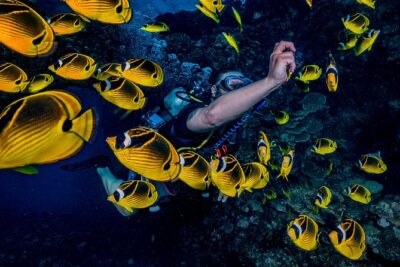 ★ 5.02 Tank Lanai Cathedral Scuba Dive Via Boat for Certified DiversFrom $306548 reviews
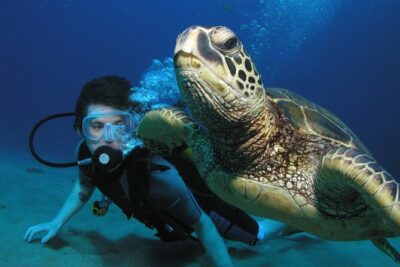 ★ 5.0Intro/Refresher Dive Swim Ability RequiredFrom $239248 reviews
 ★ 5.0Small-Group Shark and Turtle Dive for Certified DiversFrom $135219 reviews
 ★ 5.0Beginner Scuba Dive in Lahaina: Swimming RequiredFrom $229219 reviews
 ★ 5.0Discover Scuba Diving Class from LahainaFrom $158185 reviews
 ★ 5.0Maui Scuba Diving Introductory Lesson from LahainaFrom $227179 reviews
 ★ 5.0South Maui Shore DiveFrom $155147 reviews
 ★ 5.0VIP Aloha Nui Snorkel Adventure w/ optional SCUBA from LahainaFrom $235136 reviews
Browse the lists this tour appears in