
Reviewed · UPCOUNTRY MAUI FARM TOURS
Taste of Hawaii: A Maui Farm Tour
Sugarcane juice and farm lessons in Maui. This 90-minute small-group tour at Lā Kāhea Community Farm is part tasting party, part working farm walk, with fresh fruit and a hands-on sugarcane juice moment. I also like how the hosts connect what you’re eating with how they grow it—plus the big Haleakalā and West Maui mountain views you’ll notice as you wander.
One heads-up: if the weather turns, some paths and farm areas can feel a bit soggy or less tidy, and that can slightly change the vibe of the walk.
In This Review
- Key highlights worth getting excited about
- Lā Kāhea Community Farm: a Maui food tour with real farm roots
- What $75 gets you: tastings, juice, and a dessert you’ll actually remember
- Getting there at 10:30 am: the simple logistics that help you enjoy it
- The farm walk: Hawaiian crops, plant history, and regenerative farming in plain talk
- Sugarcane juice: the hands-on moment that turns learning into a memory
- The tastings: what you’ll eat, what it teaches, and why it feels different
- Views and photos: Haleakalā moments without needing a camera setup
- Weather and pacing: what to expect if conditions aren’t perfect
- Who should book this Maui farm tour (and who might not love it)
- The final call: should you book Taste of Hawaii at Lā Kāhea?
- FAQ
- Where does the Taste of Hawaii: A Maui Farm Tour start?
- What time does the tour begin?
- How long is the tour?
- How much does it cost?
- Is it offered in English?
- Is there a group size limit?
- What will I do during the tour?
- What food and drinks should I expect?
- What should I bring?
- What happens if the weather is poor?
Key highlights worth getting excited about
- Farm-to-table tastings: fruit, bites, and a sweet treat built around what the farm is growing
- Sugarcane juicing: you get to participate, not just watch
- Friendly pig interaction: you may have the chance to feed and get up close
- Hawaiian crop education: from what’s grown now to where it came from historically
- Hosts who teach with energy: names you may meet include Winsome, Anna, Emily, and others like Jake/Jakke, Whit, and David (depending on the session)
- Small groups: capped at 35 travelers, so it’s easier to ask questions
More Upcountry farms and tastings to visit
- Lahaina: Maui Ku’ia Estate Guided Cacao Farm Tour and Tasting★ 5.0 · 1,103 reviews
- The Maui Butterfly Farm Tour★ 5.0 · 446 reviews
- Waterfall, Rainforest, Chocolate Tour & Historical Sites★ 4.5 · 171 reviews
- Taste of Hawaii: A Maui Farm Tour★ 5.0 · 152 reviews
Lā Kāhea Community Farm: a Maui food tour with real farm roots
If you’re tired of tours that feel like a slideshow, this one leans practical. You’re at a working community farm in Maui, and the point is to show how tropical crops are grown and used—right where they come from. The setting sits with strong mountain views, so even when you’re focused on food, your eyes keep catching the scenery around you.
What makes it more than just a snack stop is the teaching style. The hosts talk about sustainable and regenerative farming in plain language, including the “why” behind their approach and how community farms can support both the land and local people. You’re not just tasting; you’re building a mental map of Hawaiian agriculture as a living system.
Guides mentioned by name in recent visits include Winsome, Anna, and Emily, with a cheerful, hands-on tone. They seem to balance stories with practical plant talk, from leaves and fruit to how natural farming fits island life.
What $75 gets you: tastings, juice, and a dessert you’ll actually remember
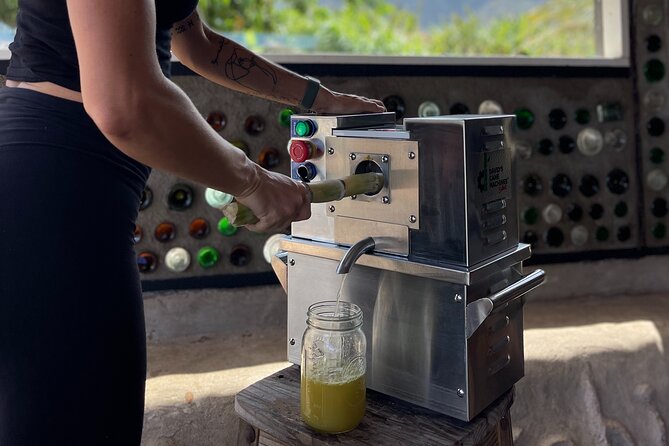
For $75 per person, you’re paying for a focused 1.5-hour experience that includes more than a quick sample. You can expect a start with a plate of sliced fresh fruit, and the tour continues through farm walking and guided tastings. Then comes the main event: sugarcane juice, where you get to help make the drink rather than just sip something handed to you.
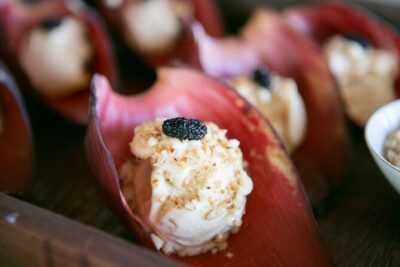
The end portion often includes a banana dessert—commonly banana nice-cream/ice cream—and in at least some sessions it’s paired with fresh roasted macadamia nuts. That combo matters because it turns the tour into a full food arc: fresh fruit → warm-weather refresher → creamy finish.
Is it a bargain? If you compare it to a paid food tasting that only gives small bites, this feels like better value because you’re doing activities that cost real time and labor on the farm. It’s not a “drive-by” stop. It’s an experience built around what they grow and how they share it.
Getting there at 10:30 am: the simple logistics that help you enjoy it
The tour starts at 10:30 am at 2100 HI-30, Wailuku, HI 96793. It ends back at the meeting point, so you don’t have to worry about figuring out a second location later.
You’ll have a mobile ticket, and you get confirmation at booking, which saves time. The big practical trick is to plan for sun and dryness. One recent visitor specifically recommended bringing water and sunblock since the area can be dry.
On a farm walk, comfortable shoes help. Even if you’re not trekking for miles, you’ll be outside and moving between planting areas. If weather looks questionable, I’d still go—just wear gear that won’t punish you if the ground is damp.
The farm walk: Hawaiian crops, plant history, and regenerative farming in plain talk
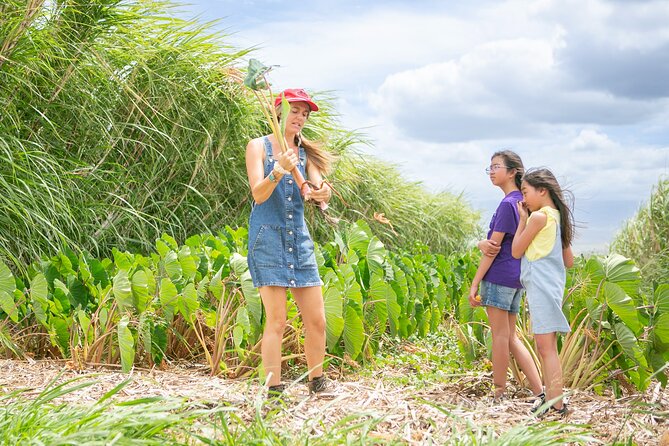
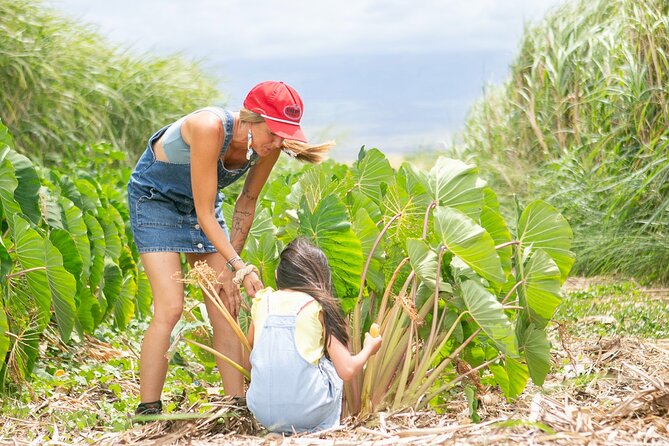
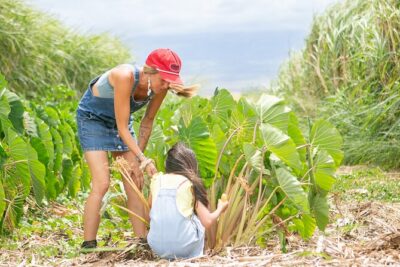
The tour is built around a loop through La Kahea Community Farm, with the hosts guiding you from one plant area to another. You’ll learn about crops that are important in Maui agriculture and how they’re handled for sustainability. In recent sessions, the education has included plants connected to Polynesian arrival—what was brought over, and how those plants fit into island life.
What I like about this part is the focus on everyday details: leaves, fruits, and the reasons behind natural farming choices. One couple described learning about different plants by looking at leaves and fruits, then tying it back to methods and natural farming ideas.
There’s also a strong “community farm” angle. You’ll hear how these farms can support the environment and the surrounding community—so the food doesn’t feel random. It feels placed.
The group size cap of 35 helps here. You’re more likely to actually hear answers to questions instead of nodding along in a crowd.
Still hungry? More Maui food tours and classes


Sugarcane juice: the hands-on moment that turns learning into a memory
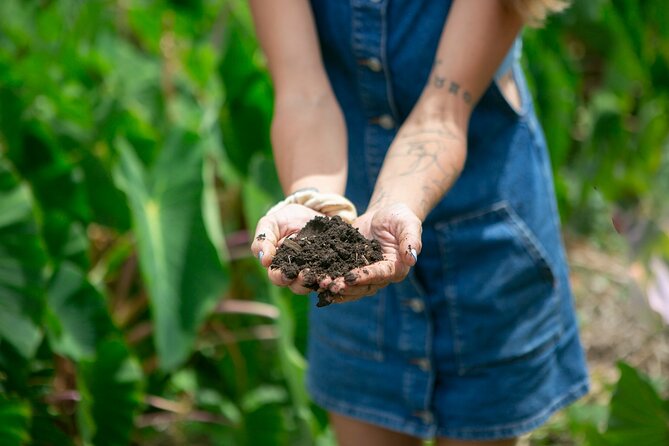
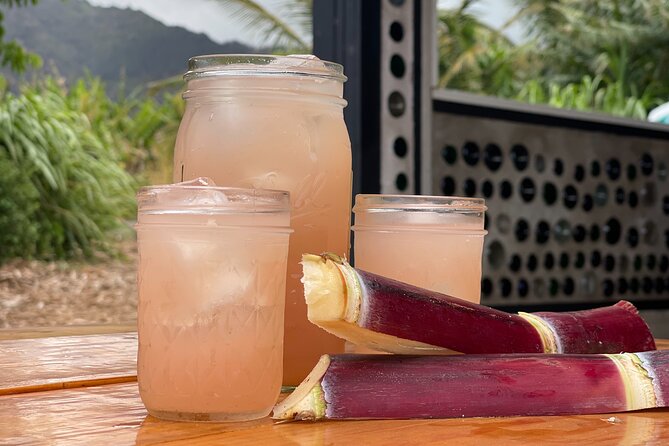
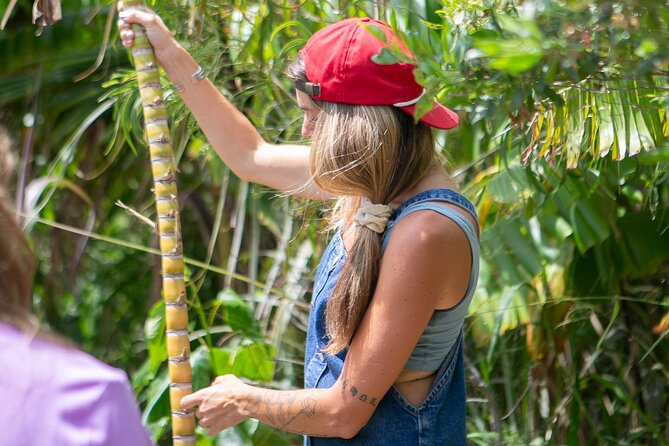
If you only care about the most fun part, it’s probably sugarcane juicing. The tour includes time to make sugarcane juice—so you’re involved in turning stalks into the drink you’ll enjoy afterward. Multiple visitors called it refreshing and even described it as nature’s sports drink.
This is one of those activities where you’ll understand it differently after doing it. Watching would be fine, but pressing and participating makes it stick. You end up with a drink you can connect to the farm behind it.
You might also get a chance to interact with friendly pigs. The tour info notes that feeding and interaction may be possible, and that’s exactly the kind of hands-on farm moment that helps a food tour feel like an honest experience instead of a scripted stop.
The tastings: what you’ll eat, what it teaches, and why it feels different
You’ll start with a welcoming plate of sliced fresh fruit. From there, the tastings generally follow what the farm has growing and what the hosts want you to learn about. Expect a mix of familiar tropical fruit plus some less common varieties. One visitor even noted trying fruits that were uncommon enough to be memorable in taste and smell.
The food element is more than “try this and move on.” The hosts connect the bites to how the farm grows the ingredients and why their approach matters. For example, one family highlighted learning about how community farms support the environment and local community—not just producing food, but improving the system around it.
Then you hit the sugarcane juice and usually a dessert finish. Banana ice cream or nice-cream shows up repeatedly, and when macadamia nuts are included, it adds that classic Hawaii flavor pairing—creamy, nutty, and perfect after outdoor walking.
Views and photos: Haleakalā moments without needing a camera setup
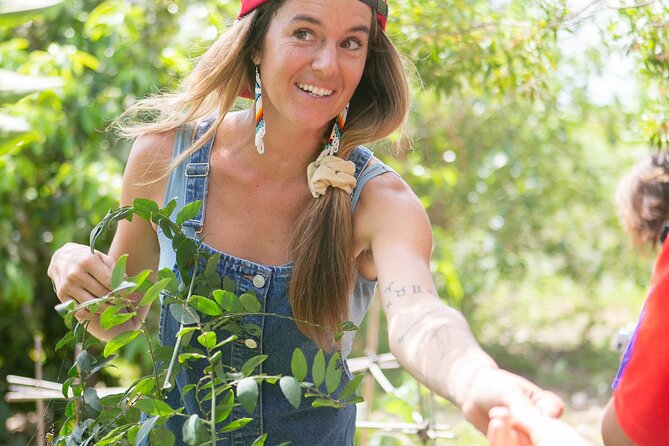
Even if you’re not chasing photos, you’ll get plenty of opportunities to stop and look. The farm sits with views of Haleakalā and the West Maui Mountains, and that scenery becomes part of the walking rhythm. It’s the kind of background that makes food taste better, honestly.
One of the nice things about a farm tour is that photos aren’t staged. You’ll be taking pictures around plants, fruit, and farm activity, with mountain views framing the scene. It feels real, not like a studio.
If you do like photos, wear sunscreen and keep an eye on where you’re stepping. The most photogenic spots can also be the easiest places to trip, especially if it’s damp.
Weather and pacing: what to expect if conditions aren’t perfect
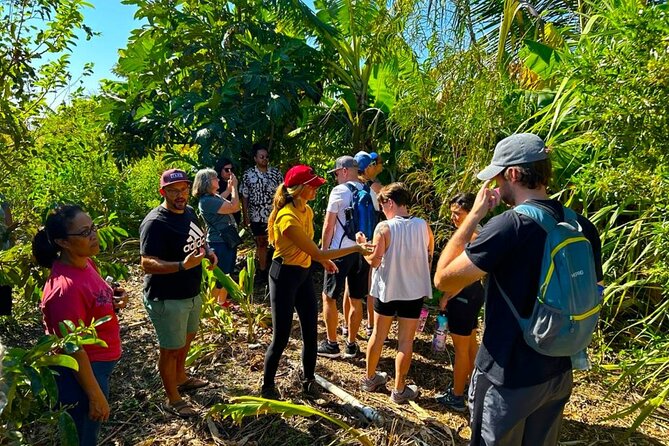
This experience requires good weather. That means if conditions are bad, you may be offered a different date or a full refund, depending on how the operator handles it.
When the weather is only partly cooperative—light rain or wet ground—your walk might feel less crisp, and some farm areas can look messy or softened by the rain. That doesn’t mean the tour stops being worth it. It just means your comfort and photo opportunities may vary a bit.
Pacing is relaxed. It’s not a hard hike, and most people can participate, but you’re still outside for about 90 minutes. Think “easy farm stroll plus tastings,” not “sit-down lecture.”
Who should book this Maui farm tour (and who might not love it)
I’d recommend this tour if you want something grounded in food and place. It’s great for:
- food lovers who like learning where ingredients come from
- garden-minded folks who enjoy plant talk and growing methods
- couples and solo travelers who want a low-stress activity that still feels special
- families with kids old enough to enjoy farm animals, plants, and hands-on food activities
I’d skip it if you’re mainly looking for big sightseeing from a vehicle or you dislike farm settings where things can be rustic and outdoors. Also, if you’re traveling with very young children, consider whether they’ll enjoy sitting through plant education and outdoor movement.
If your ideal day is laid-back and curious—tasting, learning, then eating dessert this works.
The final call: should you book Taste of Hawaii at Lā Kāhea?
Yes, I’d book it if you care about real agriculture and want a food experience that comes with context. The best part is the combination: tastings, sugarcane juicing, plant education, and the chance for animal interaction—all in about 1.5 hours. At $75, it’s not cheap in absolute terms, but it does include multiple food moments and hands-on activities that justify the price for most people.
Go in with the right mindset. This is not a museum tour. It’s a community farm experience where you learn by tasting and participating.
If you can swing it on a good-weather day, you’ll come away with stories you can repeat—plus a banana dessert you’ll be thinking about later.
FAQ
Where does the Taste of Hawaii: A Maui Farm Tour start?
It starts at 2100 HI-30, Wailuku, HI 96793, USA.
What time does the tour begin?
The start time listed is 10:30 am.
How long is the tour?
It runs about 1 hour 30 minutes.
How much does it cost?
The price is $75.00 per person.
Is it offered in English?
Yes, the tour is offered in English.
Is there a group size limit?
Yes. The maximum group size is 35 travelers.
What will I do during the tour?
You’ll tour Lā Kāhea Community Farm, learn about Hawaiian crops, taste farm-to-table bites, and you may have the chance to feed and interact with friendly pigs. The tour also includes sugarcane juicing and a dessert finish.
What food and drinks should I expect?
You should expect fresh fruit tastings, sugarcane juice, and a dessert such as banana nice-cream/ice cream.
What should I bring?
Bring water and sunblock, especially since the area can be dry.
What happens if the weather is poor?
The experience requires good weather. If it’s canceled due to poor weather, you’ll be offered a different date or a full refund.
More Tour Reviews in Maui
- Maui Pineapple Farm Tour in Haliimaile
★ 5.0 · 2,855 reviews - Small-Group Road to Hana Adventure Tour with Pickup & Lunch
★ 5.0 · 2,637 reviews - Maui Eco-Raft Tour: Eye-Level Whale or Dolphin Watching – Lahaina
★ 5.0 · 2,482 reviews - Maui Snorkeling Adventure to Molokini and Turtle Town
★ 4.5 · 2,221 reviews - Maui: Haleakala Sunrise Spectacular with Local Breakfast
★ 4.5 · 2,155 reviews
Still Hungry on Maui
- Maui: Road to Hana Adventure with Farm to Table Lunch
★ 5.0 · 877 reviews - Best of Maui Tour: Sips, Sites and Bites with Lunch
★ 4.5 · 193 reviews - Farm to Taco: A Farm to Table Cooking Class
★ 5.0 · 41 reviews - Maui: Best of Maui/Haleakala – Sips, Sites & Bites
★ 4.9 · 17 reviews - Brunch at Beautiful Beach with Photos
★ 5.0 · 12 reviews
Up in the Kula Cool
- Maui Pineapple Farm Tour in Haliimaile
★ 5.0 · 2,855 reviews - Lahaina: Maui Ku’ia Estate Guided Cacao Farm Tour and Tasting
★ 5.0 · 1,103 reviews - The Maui Butterfly Farm Tour
★ 5.0 · 446 reviews - Waterfall, Rainforest, Chocolate Tour & Historical Sites
★ 4.5 · 171 reviews - Lahaina: Maui Ku’ia Estate Guided Cacao Farm Tour & Tasting
★ 4.8 · 137 reviews
More of Maui we have reviewed, from the crater to the coast




Upcountry Maui Farm Tours, compared.
 ★ 5.0Maui Pineapple Farm Tour in HaliimaileFrom $992,855 reviews
 ★ 5.0Lahaina: Maui Ku’ia Estate Guided Cacao Farm Tour and TastingFrom $991,103 reviews
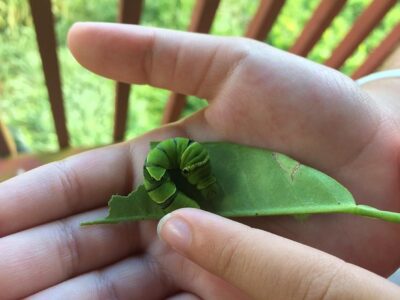 ★ 5.0The Maui Butterfly Farm TourFrom $49446 reviews
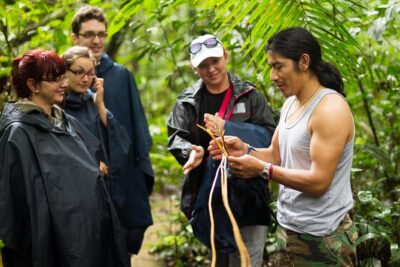 ★ 4.5Waterfall, Rainforest, Chocolate Tour & Historical SitesFrom $147171 reviews
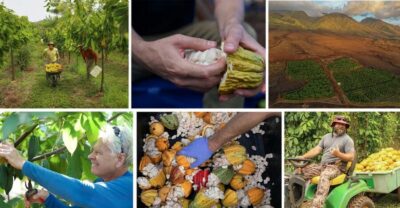 ★ 4.8Lahaina: Maui Ku’ia Estate Guided Cacao Farm Tour & TastingFrom $99137 reviews
 ★ 5.0Lahaina Maui Ku’ia Estate Chocolate Factory ExperienceFrom $130116 reviews
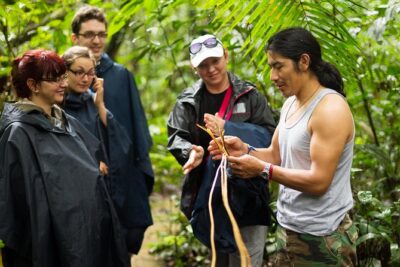 ★ 4.5Waterfall, #1 On The Road to Hana, With Chocolate tour HistoricalFrom $13988 reviews
 ★ 4.9Interactive Butterfly Farm Entrance TicketFrom $4962 reviews
Browse the lists this tour appears in