
Reviewed · MAUI KAYAK & SNORKEL TOURS
Sunset/Glow Clear Kayak Tour in Olowalu
Night reef watching from a clear kayak is special, and the Olowalu sunset-glow plan lets you see Lanai fade into dusk while you track the reef through the kayak’s clear hull. I love the clear-kayak reef view and the crew’s focus on comfort with no wetsuit necessary viewing gear. One possible drawback: it runs on good weather, so you might need a backup date if conditions are off.
This is a roughly 4-hour outing out of Olowalu, Maui, with small group limits (up to 20 people) and a relaxed pace. I like that it feels structured without feeling stiff, and you stay mostly dry even once the lights come on.
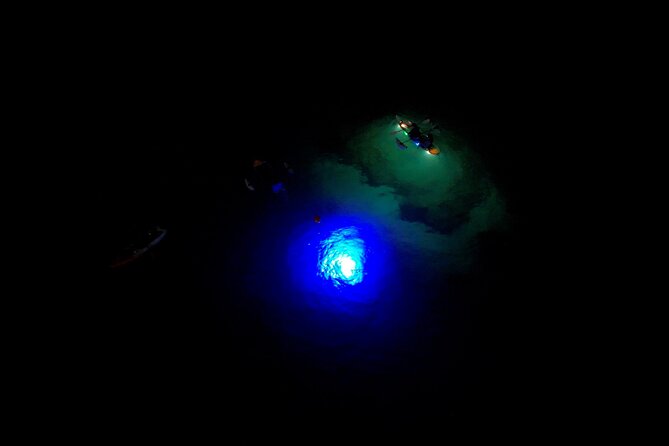
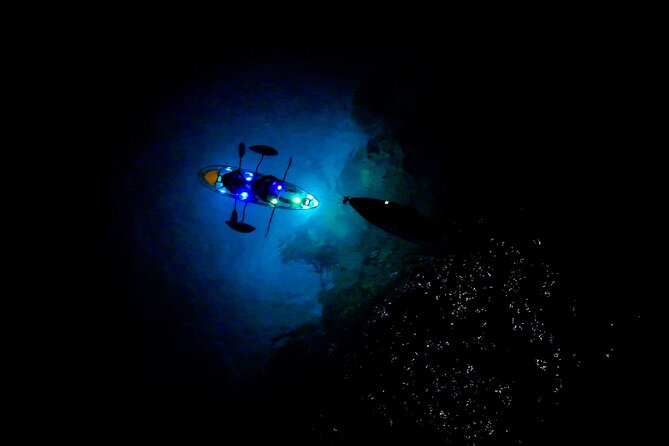
The heart of the experience is the lighting setup. You paddle out during sunset, then you switch to high-powered lights inside stable, pontooned kayaks so the reef starts looking like it is waking up under you.
In This Review
- Key points
- Clear Kayak to Lanai Sunset: Getting Started in Olowalu
- The Sunset-to-Glow Transition: Reef Lights That Work
- Staying Dry and Comfortable: Gear That Actually Helps
- What You Should Watch for During the Night Reef Viewing
- Stargazing and Hawaiian Stories After the Reef Goes Dark
- Price and Value: Is $239 Worth It?
- Who Should Book This Sunset/Glow Kayak Tour
- Should You Book the Sunset/Glow Tour With Gabriel’s Ohana?
- FAQ
- How long is the Sunset/Glow clear kayak tour?
- How much does the tour cost?
- Where does the tour start and end?
- Do I need a wetsuit?
- What’s included in the tour price?
- Is there a weight limit?
- What happens if weather is bad?
Key points
- Clear hull kayak viewing over Olowalu reef as Lanai sets the mood behind you
- High-powered kayak lights at night to reveal what the reef is doing after dark
- Plankton lights to attract manta rays’ food and pull in other marine life
- Jellyfish viewing from the safety of your kayak without getting wet or cold
- Comfort-focused gear included like a long-sleeve rash guard, dry bags, and head lamps
- Small-group feel (max 20) with a personable crew who keeps the night fun and easy
More paddle-and-snorkel outings off Maui
- Maui Clear Kayak and Snorkel Tour: Swim with turtles (Makena)★ 5.0 · 551 reviews
- Maui: Turtle Town Kayak and Snorkel Tour★ 4.7 · 345 reviews
- Turtle Reef Kayak Tour of Makena, Maui★ 4.5 · 328 reviews
- Clear Kayak Tour with Pontoons and Optional Snorkeling-Unlimited★ 5.0 · 224 reviews
Clear Kayak to Lanai Sunset: Getting Started in Olowalu
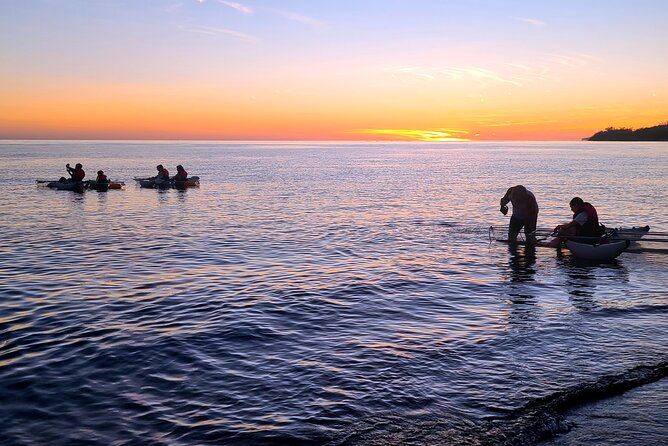
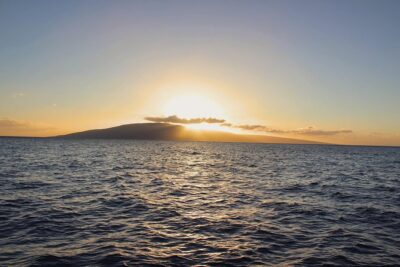
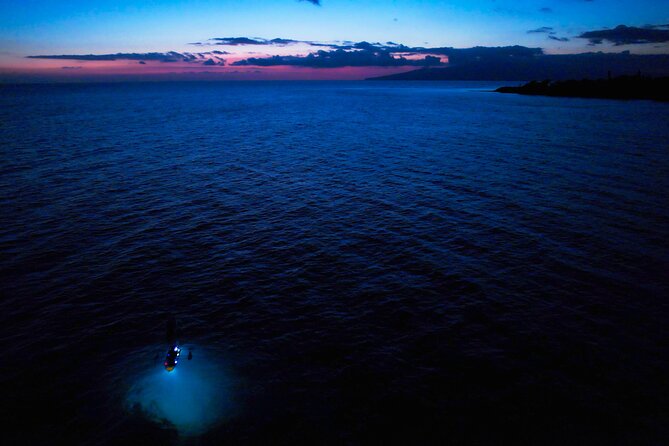
The tour starts in Olowalu, and the plan is simple: paddle out over the reef as the sun drops, then watch that change happen in real time. The standout scene is seeing Lanai behind you as you move through the last bright stretch of evening. It is one of those sunsets where you do not just look forward at the horizon. You also look down, because the kayak itself is part of the show.
The reef you visit is described as Hawaii’s oldest reef system, and it is also known for manta rays. The tour highlights that it is home to the fourth largest manta ray population, which matters because you are not just chasing a pretty view. You are in the right place, at the right time, with the reef’s nighttime rhythm in mind.
As the light changes, you get a sense for how the reef shifts from day behavior to night behavior. Even if you are not an underwater expert, you can still understand what is going on: daytime conditions soften, the reef becomes darker, and then the tour’s lighting changes how everything looks.
The Sunset-to-Glow Transition: Reef Lights That Work
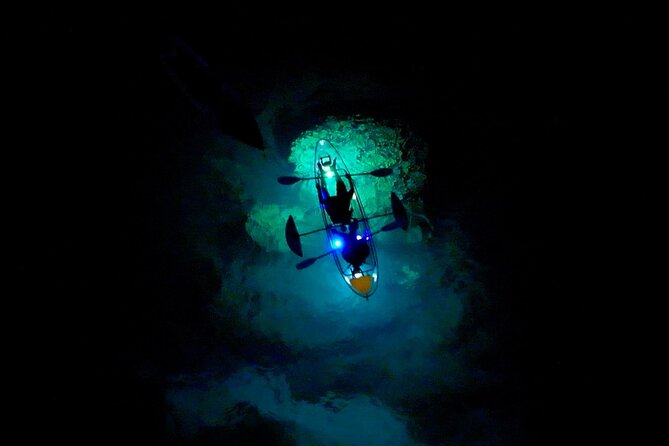
Once the sun has set, the tour flips into glow mode. You turn on high-powered lights mounted for viewing in stable, pontooned kayaks. That stability part is not just marketing. It affects how long you can stay comfortably watching the reef without constantly bracing yourself. The result is that you can actually spend time looking, instead of counting minutes until your arms feel fried.
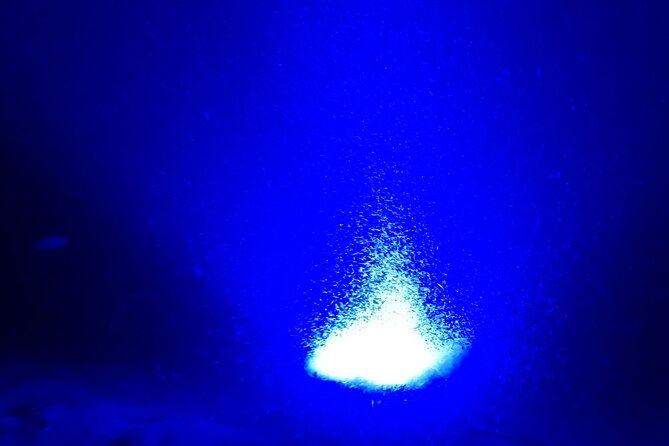
Here is the visual payoff: you are told the reef can look bejeweled, with the sparkle showing up as the light reflects from the eyes of millions of shrimp living in the reef. That is a wild image, and even if you do not catch everything, you get the idea. The lighting is designed to make small details readable from the surface.
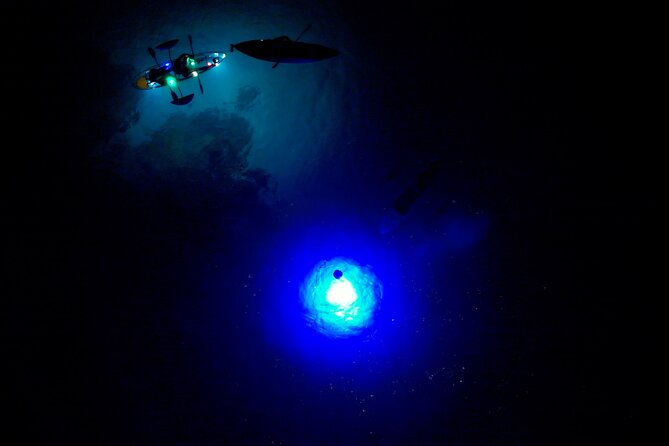
Then comes the plankton plan. After anchoring, lights are dropped to draw in plankton, which manta rays feed on. This is one of the most logical parts of the whole experience: you are not only watching bigger animals. You are watching the chain of what attracts food, and that is what brings in more marine life.
The tour also notes you may see squid, shrimp, fish, nudibranchs, eels, and even a night-time octopus. And yes, jellyfish can show up too—hundreds, according to the description. The important thing for your expectations is that you are not guaranteed every species. But the setup gives you multiple chances to spot activity as the night grows darker.
Staying Dry and Comfortable: Gear That Actually Helps
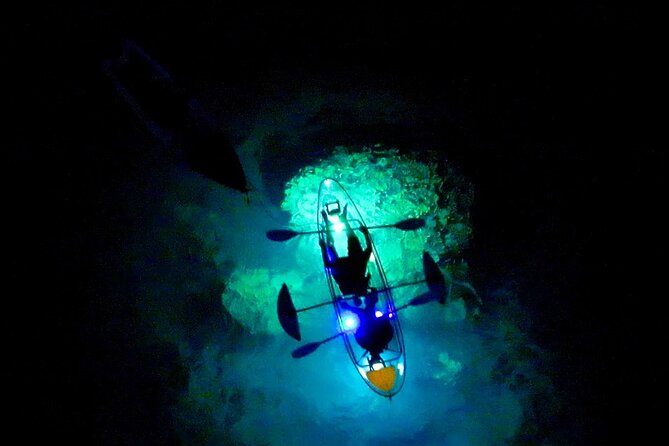
One of the best values here is that you are set up for comfort right from the start. You get a white rash guard (long-sleeve water shirt), dry bags, fitted life vests with a whistle, and head lamps. There is also a glow-stuff package (glow sticks, glow bracelets, and glow necklaces), which makes the nighttime experience feel festive without turning it into a party.
The tour explicitly says there is no wetsuit necessary, and that you should not get wet or cold while viewing the reef at night. That is a big deal if you want to experience night marine life but you do not want to deal with chill water or managing a wetsuit. You can focus on seeing, not fussing.
A practical note: long sleeves and a life vest can feel like they add bulk, but they also help you feel more secure. If you tend to get chilly easily, the dry, lighted setup is the reason this tour is popular. If you tend to get motion-sick, you might still want to take it easy on your first half-hour, since you will be paddling and then settling down to watch—just use your own comfort judgment.
There is also a weight restriction of 275 pounds, with an option to call for alternatives. If you are near that limit, it is worth reaching out ahead of time so you know what fits you best.
What You Should Watch for During the Night Reef Viewing
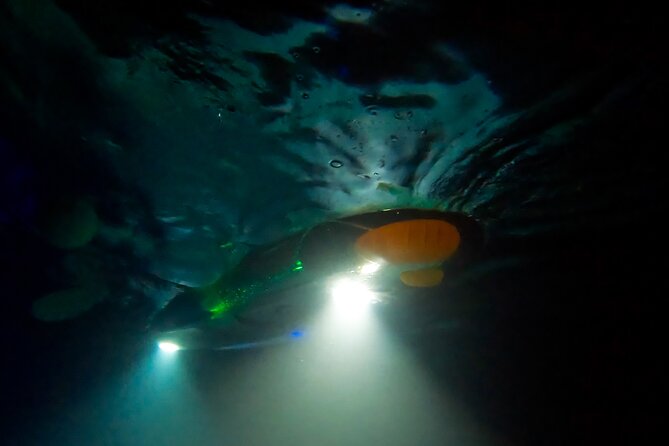
The tour is designed around a few key moments, and knowing what to look for makes the night feel more rewarding.
First, after the sun drops, watch for the shift in visibility. With the kayak lights on, the water stops looking uniformly dark and starts showing structure. That is when shrimp activity becomes easier to spot, including the described sparkle from reflective eyes.
Second, pay attention to the effect of the plankton lights. When plankton gathers, it changes the behavior of other animals. The tour’s plan is very clear: the plankton attracts marine life, and it also brings in manta rays’ food. If you see more movement in one spot, it is usually because the light concentration is doing its job.
Third, watch the midwater area as well as the bottom. The jellyfish are described as swimming beneath you while you watch comfortably out of harm’s way. That phrasing is helpful because it sets an expectation: you are not scrambling or leaning over dangerously. You are positioned for viewing, and you can let your eyes do the work.
If you love animals but do not love complicated instructions, you are in good shape here. You are basically doing a three-part visual checklist:
- Clear hull and reef view at sunset
- Reef details once the kayak lights turn on
- Attraction effect once the plankton lights are dropped
A few more Maui experiences we would happily do again



Stargazing and Hawaiian Stories After the Reef Goes Dark
Once the main reef viewing winds down, the tour shifts into stargazing. You do not just sit there. You hear stories about constellations, old Maui, and the mythology of Hawaiian gods.
This is one of those parts that can quietly make the whole tour feel complete. When you spend hours staring at water, it helps to have a guided change of focus. The glow sticks and head lamps also fit this segment: you can keep visibility for safety without blasting your eyes with harsh light.
I like this kind of ending because it connects the night sky to the place you just visited. Even if you are not a star-identification pro, listening to the constellations and local stories helps you understand why the night matters—not just as a darker time, but as a living part of the Hawaiian ocean and sky.
Price and Value: Is $239 Worth It?
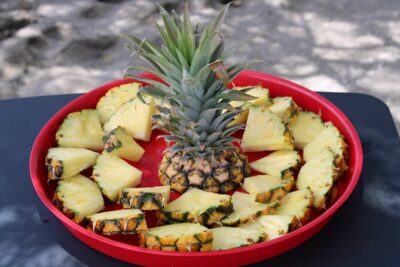
At $239 per person for about 4 hours, this is not a budget activity. But it does include several things that add real value: snacks, ice-cool reusable bottled water, and fruit like locally grown pineapple, plus granola and apple bananas. You also get the long-sleeve rash guard, dry bags, life vests, head lamps, and the glow gear.
On top of that, you are paying for a guided night-reef lighting system and a clear-kayak setup. That combo is expensive to run. You also have a small maximum group size (20 people), which tends to mean you get more hands-on help and less waiting around.
For me, the biggest value is the comfort-to-experience ratio. The tour’s promise of no wetsuit and staying dry at night removes a barrier that often makes night water activities less fun. If you want night marine life without the cold-factor, the pricing starts to make sense.
Also, the tour is offered in English and uses a mobile ticket. That keeps it easy to plan and simple to show up.
Who Should Book This Sunset/Glow Kayak Tour
This is a great fit if you:
- Want a night-reef experience but prefer staying dry and comfortable
- Like the idea of seeing animals from above and below the surface using lighting
- Appreciate guided storytelling, not just sightseeing
- Want a small-group vibe rather than a crowd scene
It can be especially good for first-timers. You do not need prior kayaking experience to appreciate the concept, and the guide setup is meant to keep you watching comfortably. The tour also says most travelers can participate, so it is generally approachable.
The main things to think about before booking are weather and physical effort. It requires good weather, and you will spend time in a kayak. If you have balance or mobility concerns, you should consider whether you are comfortable with paddling and staying seated for a few hours, even if the kayaks are stable.
If you are within the weight limit (275 pounds) you are likely fine. If you are above it or close to it, call ahead for options.
Should You Book the Sunset/Glow Tour With Gabriel’s Ohana?
Yes, if you want a night experience that feels different from typical beach tours. I would book it for the clear-kayak viewing plus the lighting plan—sunset into glow, then stargazing. The crew’s attitude is a major part of the appeal too: you are not treated like a number, and the whole night is paced so you can actually enjoy it.
Skip it or wait if you are traveling at the edge of bad-weather seasons for Maui, or if you know you struggle with active paddling. The tour depends on conditions, and a kayak outing is still a kayak outing.
If you want a memorable, comfortable way to see what the reef looks like when the sun is gone, this is a strong choice.
FAQ
How long is the Sunset/Glow clear kayak tour?
The tour runs for about 4 hours.
How much does the tour cost?
It costs $239.00 per person.
Where does the tour start and end?
It starts at Olowalu, HI 96761, USA, and it ends back at the same meeting point.
Do I need a wetsuit?
No. The tour is set up so you can view the reef at night without a wetsuit.
What’s included in the tour price?
Snacks and ice-cool reusable bottle water, granola, locally grown apple bananas, and fresh cut locally grown pineapple are included. You also get a white rash guard, dry bags, fitted life vests with whistle, head lamps, and glow sticks/glow bracelets/glow necklaces, plus all fees and taxes.
Is there a weight limit?
Yes, the weight restriction is 275 pounds. The tour notes you should call for options.
What happens if weather is bad?
This experience requires good weather. If it is canceled due to poor weather, you will be offered a different date or a full refund. You can also cancel for a full refund up to 24 hours before the experience starts.
More Tours in Maui
- Maui Pineapple Farm Tour in Haliimaile
★ 5.0 · 2,855 reviews - Small-Group Road to Hana Adventure Tour with Pickup & Lunch
★ 5.0 · 2,637 reviews - Maui Eco-Raft Tour: Eye-Level Whale or Dolphin Watching – Lahaina
★ 5.0 · 2,482 reviews - Road to Hana Adventure Maui Tour with Lunch
★ 5.0 · 1,832 reviews - From Maalaea: Whale Watching Tour Aboard the Quicksilver
★ 4.5 · 1,461 reviews
More Tour Reviews in Maui
- Maui Pineapple Farm Tour in Haliimaile
★ 5.0 · 2,855 reviews - Small-Group Road to Hana Adventure Tour with Pickup & Lunch
★ 5.0 · 2,637 reviews - Maui Eco-Raft Tour: Eye-Level Whale or Dolphin Watching – Lahaina
★ 5.0 · 2,482 reviews - Maui Snorkeling Adventure to Molokini and Turtle Town
★ 4.5 · 2,221 reviews - Maui: Haleakala Sunrise Spectacular with Local Breakfast
★ 4.5 · 2,155 reviews
Kayak and Snorkel, Maui
- Maui Clear Kayak and Snorkel Tour: Swim with turtles (Makena)
★ 5.0 · 551 reviews - Maui: Turtle Town Kayak and Snorkel Tour
★ 4.7 · 345 reviews - Turtle Reef Kayak Tour of Makena, Maui
★ 4.5 · 328 reviews - Clear Kayak Tour with Pontoons and Optional Snorkeling-Unlimited
★ 5.0 · 224 reviews - Kayak & Turtle Town Snorkel(Turtles Guaranteed) + Whale Watching
★ 5.0 · 196 reviews
More of Maui we have reviewed, from the crater to the coast

Maui Kayak & Snorkel Tours, compared.
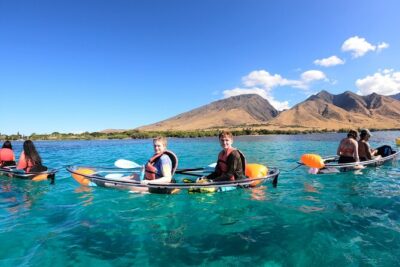 ★ 5.0Maui Clear Kayak and Snorkel Tour: Swim with turtles (Makena)From $130551 reviews
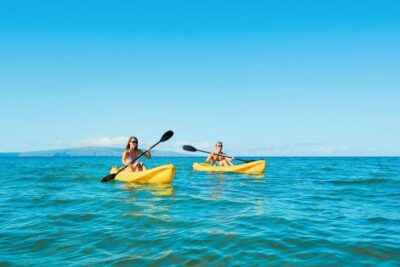 ★ 4.7Turtle Town Kayak and Snorkel TourFrom $120345 reviews
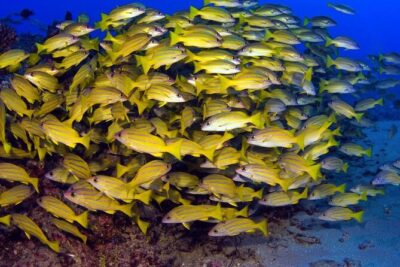 ★ 4.5Turtle Reef Kayak Tour of Makena, MauiFrom $121328 reviews
 ★ 5.0Clear Kayak Tour with Pontoons and Optional Snorkeling-UnlimitedFrom $134224 reviews
 ★ 5.0Kayak & Turtle Town Snorkel(Turtles Guaranteed) + Whale WatchingFrom $119196 reviews
 ★ 5.0South Shore Turtle Kayak and Snorkel ExperienceFrom $118184 reviews
 ★ 4.5Lahaina Kayak and Snorkel ExcursionFrom $89175 reviews
 ★ 4.5Kayak Whale Watch and Snorkel Hawaiian Islands Whale SanctuaryFrom $119175 reviews
Browse the lists this tour appears in