
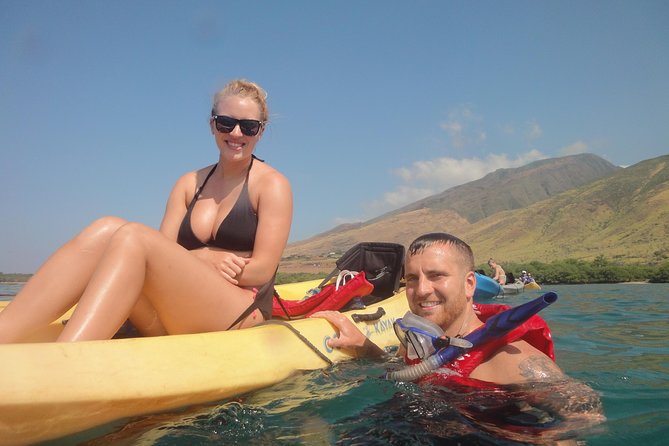
Reviewed · MAUI WHALE WATCHING TOURS
Kayak Whale Watch and Snorkel Hawaiian Islands Whale Sanctuary
Whale songs travel through your kayak. This Maui tour pairs close-up kayaking off Olowalu with snorkeling at Turtle Reef where sea turtles and plenty of fish can show up, plus a live underwater hydrophone so you can hear humpback whales during the season. The West Maui Mountains often make a gorgeous backdrop while you paddle out, and the whole morning has a small-group feel that keeps things friendly and well paced.
The one big consideration: wildlife and water conditions are never 100% guaranteed. Whales are seasonal, snorkeling depends on the day’s visibility, and wind can make paddling feel like the main activity, not the warm-up.
In This Review
- Quick hits before you go
- Kayak-and-snorkel Maui: what you’re actually paying for
- Meeting and launch near Olowalu Beach Reserve
- Paddle time: watching for turtles on the way out
- Turtle Reef snorkel: the main event for year-round sea turtles
- Whale watching in the Hawaiian Islands National Humpback Whale Marine Sanctuary
- Guides make the difference: who you might ride with
- Gear, snacks, and the photo question
- Timing and pacing: why it can feel short (or long)
- Weather and wind: what to watch before you go
- Price and value: when $119 feels like a win
- Who this tour fits best
- Tips that will save your morning
- Should you book this kayaking and whale-singing tour?
- FAQ
- What’s the duration of the Maui kayak whale watch and snorkel?
- Where does the tour depart from?
- Is hotel pickup included?
- Are sea turtles guaranteed?
- When can I expect humpback whale watching?
- Does the tour include snorkeling equipment and life jackets?
- Do I need previous kayaking experience?
- How many people are on the tour?
- Can I cancel and get a refund if weather is bad?
Quick hits before you go
- Small group size (up to 10 travelers, with a 16-person cap) helps you get help when you need it
- Olowalu Turtle Reef snorkel is the year-round highlight for sea turtles and reef fish
- Whales in season (Dec to Apr) plus live whale sounds through an underwater hydrophone
- Snacks, light refreshments, and snorkel gear included so you’re not hunting supplies
- Underwater HD cameras available to rent if you want better shots than a dry-bag phone
- No prior kayak experience needed for ages 5 and up
Plenty more Maui snorkel spots in our reviews
- Maui Snorkeling Adventure to Molokini and Turtle Town★ 4.5 · 2,221 reviews
- Maui Snorkeling Adventure From Ma’alaea Harbor to Molokini★ 4.5 · 1,997 reviews
- Maui: Turtle Town Snorkel with Photo and Video★ 5.0 · 1,916 reviews
- Maui Snorkel Adventure: Molokini Crater and Turtle Cove★ 5.0 · 1,433 reviews
Kayak-and-snorkel Maui: what you’re actually paying for
At $119 per person for roughly 4 hours total, you’re not just renting gear and hoping for the best. You’re paying for three things that are hard to DIY safely on your own: a guided paddle out, a guided snorkel at a specific reef area, and marine-info storytelling while you’re in the water.
That value can be great on a good day. Lots of people love the “this is why a tour” feeling—seeing humpbacks up close in the kayak, then switching gears to turtles and colorful fish. It can feel less like a win if you get an unfriendly day for snorkeling (muddy water, rougher conditions) or if your group ends up spending extra time sorting gear and timing.
Meeting and launch near Olowalu Beach Reserve
Most tours like this rise or fall on the first 20 minutes, and here it’s all about getting set up early. The tour starts around 8:00 am, and it runs Monday through Saturday, with Sundays and holidays closed due to Hawaii rules.
The meeting point is in the Olowalu area, and you should plan to arrive with time to park and check in. One recurring practical theme from guests: parking can get tricky on busy mornings, so showing up right at the start time makes your day harder than it needs to be.
You’ll get your life jacket and snorkel equipment as part of the tour. If you’re new to kayaking, don’t worry—this is set up for beginners. Still, it’s smart to ask your guide to show you the basics clearly before you push off.
Paddle time: watching for turtles on the way out
The kayak part isn’t only about transportation. In many cases it’s where the excitement starts—paddlers often see wildlife while you’re still close to shore. Sea turtles can be spotted both during the paddle and later at the snorkel site, and you’ll be given a sense of what to watch for.
Also, the West Maui Mountains are right there when you look up. That matters more than it sounds. If you’ve only seen Maui from roads and beaches, kayaking changes the pacing. It’s slower, quieter, and you spend more time looking than performing.
Turtle Reef snorkel: the main event for year-round sea turtles
Your snorkel stop is at Turtle Reef in the Olowalu Beach Reserve area. This is the part of the trip you can count on more than the whale section, because sea turtles are a year-round possibility.
On the water, you’re looking for turtles at a turtle cleaning station and for “hundreds of tropical fish” at the reef. When it’s clear and calm, snorkel time feels like being dropped into a living aquarium. When it’s less clear, you can still get value, but you’ll want to keep your expectations flexible and focus on movement and shape—turtles aren’t always framed like a postcard.
Practical tip: getting in and out of your kayak can be a little awkward if you’re brand new. Guides typically help, and you’ll want to pay attention to how they coach it. If you struggle, say so early. One of the most common “small” wins on tours is having someone notice you’re stuck and adjust.
When the humpbacks are in: more Maui whale watches
Whale watching in the Hawaiian Islands National Humpback Whale Marine Sanctuary
Whale season is the calendar makes or breaks this part. The tour is built for humpback whale watching from December to April. Outside that window, you should not expect whales to be the main payoff.
When whales do show up, this is one of the reasons people book the kayak version. Instead of just passing by from a big boat, you’re close enough to watch behavior—breaches and tail slaps can happen in ways that feel personal at kayak distance.
One standout feature: the tour uses an underwater hydrophone so you can hear whale songs live during your trip. That turns a visual moment into something sensory. Even on days when whales are shy, hearing them can still make the outing feel special.
Guides make the difference: who you might ride with
This is a “get what you get” kind of tour: nature matters, but so does the team running it. Many guests praise guides by name—people specifically highlight Lance, Wesley, Red, and the owner Roger in their feedback.
The best days tend to share the same pattern:
- clear instructions (especially for first-timers)
- steady group leadership so everyone stays together
- real marine-life talk, not just a checklist
Some negative reviews point to the opposite—starts running late, mixed communication, and times when guests felt the focus drifted. Those are the moments that turn a $119 day into a frustrating one.
My advice: if you’re a first-timer, go in ready to learn fast, and if anything feels off (unclear instructions, confusion at setup), ask one direct question early. You want to solve problems before you’re 30 minutes from shore.
Gear, snacks, and the photo question
The tour includes snorkel gear, life jackets, bottled water, and snacks/light refreshments. Depending on the day, what “snacks” look like can be fairly simple—some guests mention things like a granola bar and fruit portions. Other guests rave about added touches like fresh coconuts on arrival.
Also note: HD underwater digital cameras may be available for rent. If that matters to you, ask about it when you check in, because it’s a separate decision from the base tour price.
If you care about photos, bring a water-friendly phone solution too. Even with camera rentals, the best shots usually come when you’re ready—turtles cruise, and whales can change direction fast.
Timing and pacing: why it can feel short (or long)
The total tour is listed as about 4 hours. But what you’ll feel on your body is often less about the clock and more about:
- gear distribution and getting everyone launched
- paddling time to your first stop
- snorkel time at the reef
- whale-watch time offshore (season dependent)
- the return trip and regrouping
Some guests describe the kayaking portion as feeling like the “real time” work, with snorkel being the lighter segment. Others felt they didn’t get enough snorkel payoff compared to the paddle. So think of this as a morning that’s more active than most beach snorkeling.
Weather and wind: what to watch before you go
This tour requires good weather and it’s shaped by wind. Even if a day looks okay on land, conditions can shift quickly when you’re out on the water.
On one trip, a family member’s kayak capsized during higher winds, and it became clear how much the day hinges on safe handling and quick guidance. That doesn’t mean you should panic. It does mean you should be honest with your comfort level and follow your guide’s instructions about pacing and staying together.
If you get motion-sickness easily, consider planning for it. You’ll be on the water long enough that “I’ll be fine” can turn into a rough experience.
Price and value: when $119 feels like a win
Here’s how I’d judge the value, based on what you actually receive:
- Included gear (kayak support equipment plus snorkel gear)
- A professional guide and in-water safety coaching
- Two wildlife-focused components in one morning: turtles (year-round) and whales (seasonal)
- Extra sensory benefit from the whale hydrophone
- Small-group experience that reduces the “lost in the crowd” feeling
If you get clear turtle snorkeling plus any whale activity during the season, it can feel like a bargain—especially compared with the price of booking separate whale watching and separate snorkel trips.
But if your day suffers from late starts, confusion during setup, limited snacks, or a whale-free season window, the same price can feel steep. This is one of those tours where your expectations need to match reality: wildlife is weather-driven and migration-driven.
Who this tour fits best
This tour is a strong match if:
- you want more than a sit-and-watch whale experience and like the idea of paddling
- you’re traveling with kids ages 5+ and want an activity that feels like an adventure (children must be with an adult)
- you’re okay getting sun exposure and doing meaningful upper-body work
- you don’t mind that the reef and wildlife are the star, not a guaranteed script
It may be less ideal if:
- you want guaranteed whales or guaranteed turtle encounters
- you hate wind-driven paddling or are physically cautious about small watercraft
- you’re the type who needs a perfectly smooth, zero-waiting operation every minute
Tips that will save your morning
A few practical moves can make the day smoother:
- Arrive early for parking and setup so you start relaxed
- If you’re new, ask for a clear demonstration of getting in and out of the kayak before launch
- Bring a plan for sun (hat, sunscreen, and water-friendly clothing)
- If you’re sensitive to motion, consider packing what helps you manage it
- If you want photos, consider the underwater camera rental, and also protect your phone in case you want backup shots
Should you book this kayaking and whale-singing tour?
If you’re in Maui during December to April and you want your whale time to include more than just a boat ride, I think this is a high-likelihood “worth it” experience. The combination of kayaking + Turtle Reef snorkeling + live hydrophone whale songs is a very specific way to spend a morning.
I’d book with extra care if you’re traveling outside peak whale months or if you’re expecting a long, relaxed snorkel session. And if you tend to be unhappy when schedules run behind, pick a day where you’re not rushing to another plan afterward.
If you want a wildlife-focused Maui experience that actually gets you into the action, this one delivers—especially when the guides run smooth and the ocean cooperates.
FAQ
What’s the duration of the Maui kayak whale watch and snorkel?
It runs about 4 hours (approx.) and starts at 8:00 am. The tour ends back at the meeting point.
Where does the tour depart from?
The tour starts at the Olowalu area meeting point (R95V+Q8 Olowalu / R95V+Q89 Olowalu, HI, USA).
Is hotel pickup included?
No. Hotel pickup and drop-off are not included, so you’ll need your own transportation to the meeting point.
Are sea turtles guaranteed?
Sea turtle sightings are described as year-round, but wildlife sightings depend on conditions. The tour is designed to look for turtles at the reef area.
When can I expect humpback whale watching?
Humpback whale watching is offered from December to April.
Does the tour include snorkeling equipment and life jackets?
Yes. Life jackets, snorkeling gear, bottled water, and snacks/light refreshments are included.
Do I need previous kayaking experience?
No experience is necessary. It’s listed as suitable for ages 5 and up, with a moderate physical fitness level recommended.
How many people are on the tour?
Maximum participant numbers are listed as up to 16 per booking, and a maximum of 10 travelers.
Can I cancel and get a refund if weather is bad?
Yes. You can cancel up to 24 hours in advance for a full refund. If the experience is canceled due to poor weather, you’ll be offered a different date or a full refund.
Kayak and Snorkel, Maui
- Maui Clear Kayak and Snorkel Tour: Swim with turtles (Makena)
★ 5.0 · 551 reviews - Maui: Turtle Town Kayak and Snorkel Tour
★ 4.7 · 345 reviews - Turtle Reef Kayak Tour of Makena, Maui
★ 4.5 · 328 reviews - Clear Kayak Tour with Pontoons and Optional Snorkeling-Unlimited
★ 5.0 · 224 reviews - Kayak & Turtle Town Snorkel(Turtles Guaranteed) + Whale Watching
★ 5.0 · 196 reviews
Whale Season on Maui
- Maui Eco-Raft Tour: Eye-Level Whale or Dolphin Watching – Lahaina
★ 5.0 · 2,482 reviews - From Maalaea: Whale Watching Tour Aboard the Quicksilver
★ 4.5 · 1,461 reviews - Maui: Ultimate Whale Watch from Lahaina
★ 5.0 · 1,162 reviews - WHALES GUARANTEED Maui Whale Watching Makai Adventures
★ 5.0 · 1,081 reviews - Ma’alaea Harbor: Whale Watching Tour Aboard Power Catamaran
★ 4.6 · 979 reviews
More Snorkeling Around Maui
- Maui Snorkeling Adventure to Molokini and Turtle Town
★ 4.5 · 2,221 reviews - Maui Snorkeling Adventure From Ma’alaea Harbor to Molokini
★ 4.5 · 1,997 reviews - Maui: Turtle Town Snorkel with Photo and Video
★ 5.0 · 1,916 reviews - Maui Snorkel Adventure: Molokini Crater and Turtle Cove
★ 5.0 · 1,433 reviews - West Maui Half Day Snorkel from Ka’anapali Beach
★ 5.0 · 1,253 reviews
More of Maui we have reviewed, from the crater to the coast


Maui Whale Watching Tours, compared.
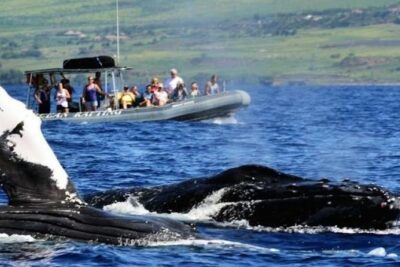 ★ 5.0Maui Eco-Raft Tour: Eye-Level Whale or Dolphin Watching – LahainaFrom $852,482 reviews
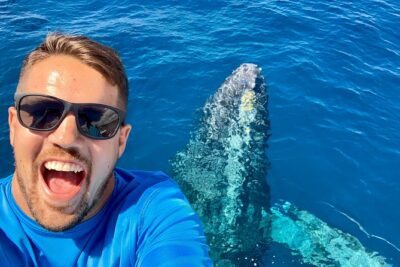 ★ 4.5From Maalaea: Whale Watching Tour Aboard the QuicksilverFrom $491,461 reviews
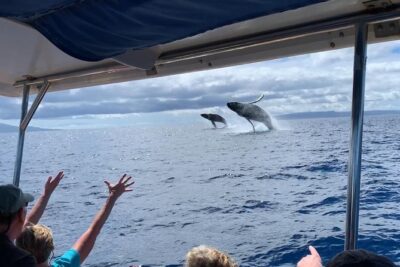 ★ 5.0Ultimate Whale Watch from LahainaFrom $771,162 reviews
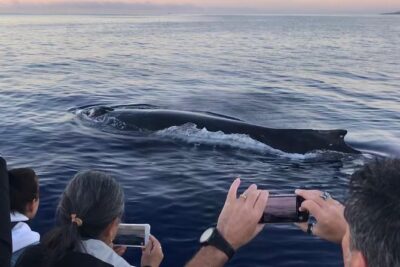 ★ 5.0WHALES GUARANTEED Maui Whale Watching Makai AdventuresFrom $971,081 reviews
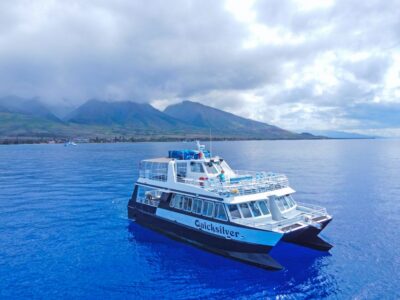 ★ 4.6Ma’alaea Harbor: Whale Watching Tour Aboard Power CatamaranFrom $49979 reviews
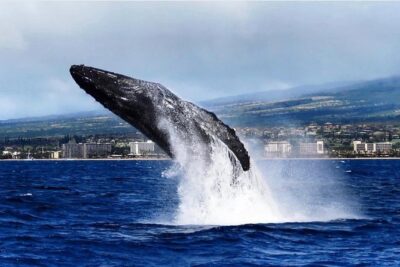 ★ 5.0Whale Watching Cruise with Open Bar from Ka’anapali BeachFrom $115802 reviews
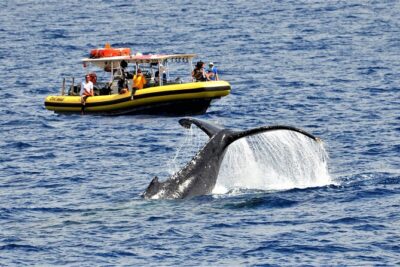 ★ 5.0Whale Watching Maui: 2-Hour Small Group Raft Tour from LahainaFrom $80661 reviews
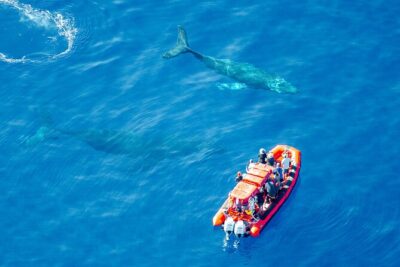 ★ 5.0Maui Whale-Watching Tour by Raft from KiheiFrom $84646 reviews
Browse the lists this tour appears in