
Reviewed · UPCOUNTRY MAUI FARM TOURS
Regenerative Mango and Tropical Fruit Tour in West Maui
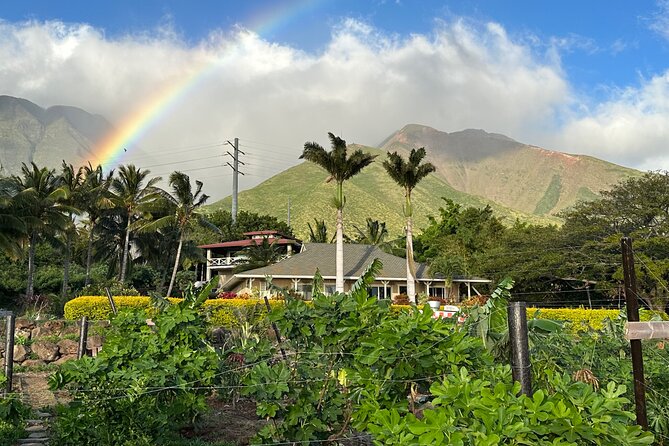
Tropical fruit tastes better when you see how it’s grown. This Regenerative Mango and Tropical Fruit Tour in West Maui pairs a short permaculture lesson with tastings and ocean-mountain views. I love the intimate max of 8 travelers feel and the way the walk turns into a real orchard story, not a sales pitch. One thing to consider: fruit depends on what’s ripe that day, and the tour has no bathrooms included.
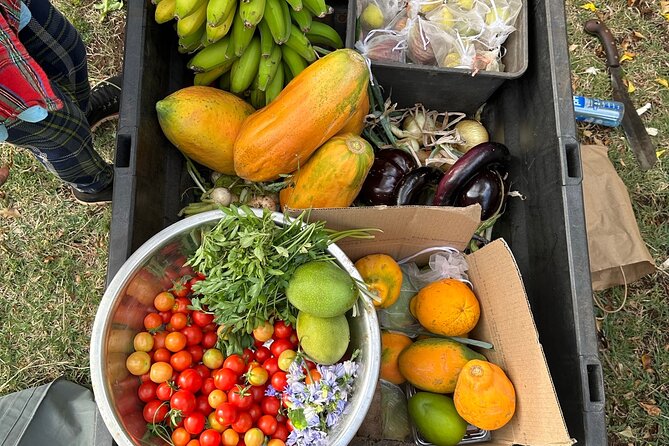
It starts at a Lahaina meeting spot under a passionfruit vine trellis, then moves through pineapple, papaya, Surinam cherries, figs, starfruit, banana, and mango when in season. Mango season is generally late May to early November, but they still line up other organic fruit tastings year-round.
In This Review
- Key Highlights Worth Planning For
- Entering the Passionfruit Trellis on West Maui
- Regenerative Farming 101 You’ll Actually Use
- The Walking Fruit Tour: What You’ll See (and Sample)
- Quick practical tip
- Photo Stops with Ocean Views and Mountain Backdrops
- Welcome Tasting at the End: Seasonal Fruit Plate
- Self-Discovery Time for That Sunset Photo
- How Much It Costs, and Why It’s Fair Value
- What’s Included (Snacks) and What’s Not
- Transportation reality check
- What I’d Consider Before You Book
- Who This Tour Is Best For
- A Quick Word on Hosts and the Farm Feel
- FAQ
- FAQ
- What’s the duration of the regenerative mango and tropical fruit tour?
- How much does the tour cost?
- Where does the tour start in Lahaina?
- How many people are in each tour group?
- What language is the tour offered in?
- Are bathrooms included?
- Is the tour dependent on mango season?
- What if the weather is bad?
- Should You Book This West Maui Fruit Farm Tour?
Key Highlights Worth Planning For
- Small-group pacing (up to 8 people): more time for questions and better tasting odds
- Regenerative agriculture lesson: a practical comparison of traditional farming vs permaculture
- Hands-on fruit sampling: you taste what’s available and ripe, not just what’s on a menu
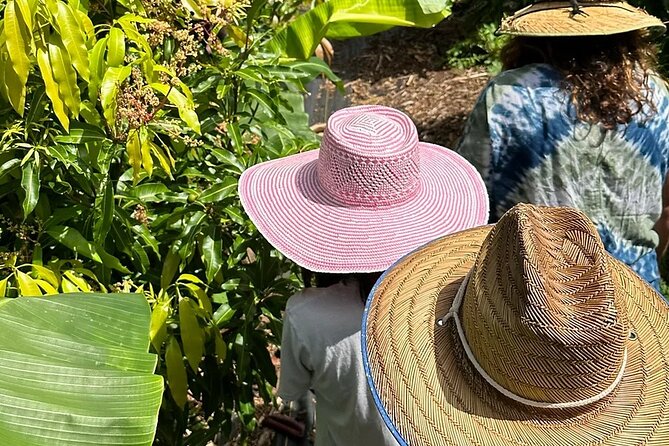
- Ocean-and-mountain photo moments: guides point you to the best angles
- Personal, family-run vibe: guided by the farm owner/hosts, with a friendly welcome drink to start
More Upcountry farms and tastings to visit
- Lahaina: Maui Ku’ia Estate Guided Cacao Farm Tour and Tasting★ 5.0 · 1,103 reviews
- The Maui Butterfly Farm Tour★ 5.0 · 446 reviews
- Waterfall, Rainforest, Chocolate Tour & Historical Sites★ 4.5 · 171 reviews
- Taste of Hawaii: A Maui Farm Tour★ 5.0 · 152 reviews
Entering the Passionfruit Trellis on West Maui
The tour begins in a welcoming area at 15 Wailau Pl, Lahaina (15 Wailau Pl, Lahaina, HI 96761), right under a trellis heavy with passionfruit vine. Before you even start walking, you get a refreshing welcome drink while your guide sets the tone with a quick look at Hawaiian history and agriculture in West Maui.
This is one of the best parts of the experience because it gets you into the local mindset fast. You’re not just there for fruit; you’re there to understand why the farm’s approach matters in a place like Maui, where weather, water, and land stewardship affect everything.
You’ll also get a clear framing of traditional farming vs regenerative permaculture farming. The point isn’t to overwhelm you with jargon. It’s to help you connect the dots between farming choices and what you see growing in front of you.
Regenerative Farming 101 You’ll Actually Use
The first stretch runs about 15 to 20 minutes and stays focused. You learn the difference between a conventional approach and a regenerative, permaculture-style approach—using what’s happening on the property as the backdrop.
Here’s why I think this part is valuable for your trip: most people visit Maui and only see the finished product. This lesson helps you understand what to notice while you’re walking—like how a farm is designed to keep working year after year rather than treating the land like a one-time harvest.
If you’re the type who likes learning by looking, this tour fits your style. If you’re not into agriculture at all, it still works because it’s short, guided, and immediately followed by a walk where you can connect the lesson to real plants.
The Walking Fruit Tour: What You’ll See (and Sample)
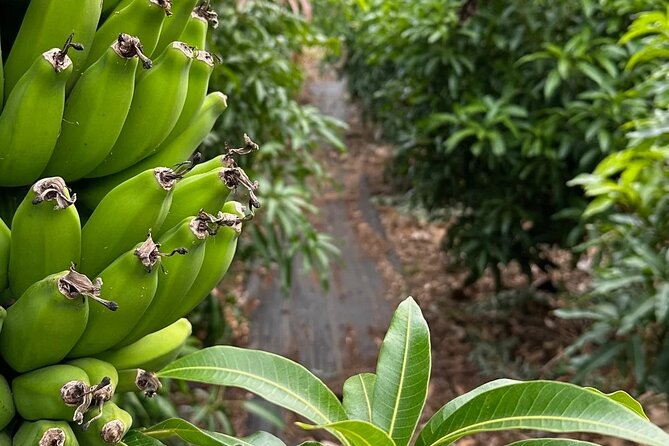
After the lesson, the pace shifts into a 45 to 60 minute hillside walk through a mix of tropical and fruit trees. Expect to pass by:
- Pineapple
- Papaya
- Surinam cherries
- Figs
- Starfruit
- Banana
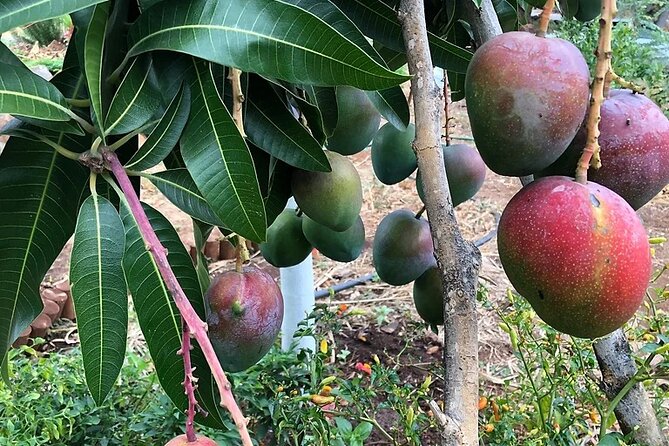
- Mango (when fruit is ripe and available)
As you walk, the guide will offer tastings if there’s fruit available and ripe. That means you may get more mango at peak season (generally late May to early November), but you’ll also get variety—because the farm doesn’t live on one crop.
This matters for your expectations. If you arrive in the wrong month for mango, you won’t be left empty-handed. You’ll taste other organic fruits instead, and the tour is built around that idea of seasonal availability.
Quick practical tip
Wear shoes you’re comfortable walking in on uneven ground, since the tour follows a farm path. It’s not a marathon, but it’s a working hillside.
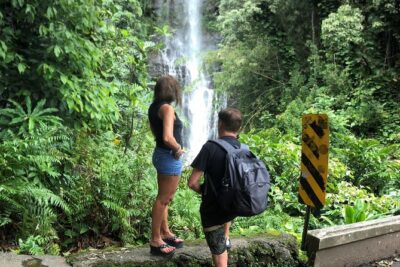


Photo Stops with Ocean Views and Mountain Backdrops
One side of the walk brings epic ocean views while the other side gives you gorgeous mountain scenery. The guide actively helps you with photo placement—so you’re not just guessing where the best angles are.
This is one of those “small” touches that makes a big difference. On a normal sightseeing drive, you stop, frame, take the shot, and hope the light cooperates. Here, you get pointed to the best places along the route.
If you’re traveling as a couple or taking family photos, that guidance saves you time and keeps the group moving at a relaxed pace.
Welcome Tasting at the End: Seasonal Fruit Plate
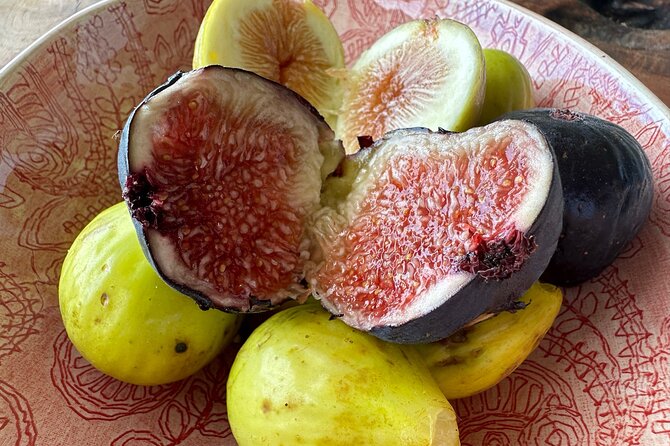
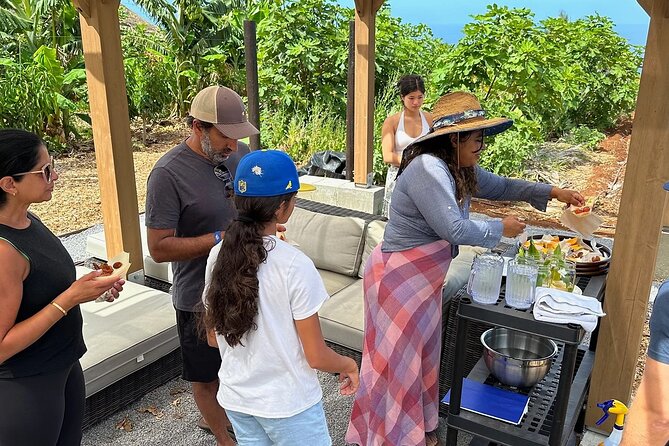
When the walk finishes, you head back to the welcoming area. Then you get a plate of seasonal fruit. Mango season is generally late May to early November, but the farm offers different organic fruits throughout the year, so you can still enjoy tastings even outside peak mango months.
This is also where the tour feels most satisfying. The first tasting opportunities happen as you walk through the farm, but the end plate gives you a chance to slow down and try multiple fruits in one go.
And yes, mango often becomes the star of the show when it’s in season. People consistently talk about the quality of what they eat here—like mangoes and papayas that taste unusually fresh and sweet.
Self-Discovery Time for That Sunset Photo

After the fruit plate, the tour shifts into a more open moment. You can explore around the welcome area and take that perfect sunset view photo.
This is a smart structure for a trip. Two hours can feel tight when you’re bouncing across Maui’s sights. This “linger time” gives you a chance to enjoy the setting without the schedule snapping you back immediately.
If sunset photos are part of your plan, ask the guide what timing they recommend from the viewpoint on the property.
How Much It Costs, and Why It’s Fair Value
The price is $85.00 per person for about 2 hours. On paper, that’s not a bargain compared with a typical farm-adjacent activity you might find in bulk-tour land. But the value here comes from three things:
- Small group size (maximum 8 travelers)
- Guide-led time spent walking, explaining, and pointing out where to look and what to try
- Fruit tastings along the way plus a seasonal fruit plate at the end
Also, this isn’t just “mango, then leave.” You’re paying for context—history, agriculture, and a hands-on understanding of a regenerative approach. If you care about how food connects to land and people, the price starts to make sense.
What’s Included (Snacks) and What’s Not
Included:
- Snacks (whatever fruits are available at the time of the tour, including mango when ripe)
- Tour guide
Not included:
- Transportation
- Bathrooms
That bathroom detail is worth planning for. Even though the tour runs on the shorter side, the walking plus tastings can still take a couple of hours. If you’re worried about restroom access, I’d plan your timing carefully before you arrive.
Transportation reality check
Because transportation isn’t included, you’ll want to arrange your own ride to Lahaina. If you’re staying in another part of Maui, factor in travel time so you don’t feel rushed.
What I’d Consider Before You Book
This tour is strong, but it has a few “know before you go” points:
- Fruit is seasonal. Mango is best late May to early November, and ripe fruit availability can vary day to day.
- It depends on good weather. The experience requires good weather, and if it’s canceled due to poor weather you’ll be offered a different date or a full refund.
- Watch for insects. People have flagged bees and mosquitoes as a consideration, so it’s smart to bring insect repellent if you’re sensitive.
- Bathrooms may be limited. Bathrooms are not included, and setup can be impacted by ongoing property work.
If any of those make you uncomfortable, you can still book—but go in with the right expectations.
Who This Tour Is Best For
This is a great fit if you want:
- A small, personal farm experience rather than a big bus tour
- Real tastings where the guide helps you choose what to try
- A chance to learn regenerative farming concepts in plain language
- Scenic Maui value: ocean view moments plus mountain scenery in one outing
It also works well for families, including kids who like picking fruit along the way (when fruit is ripe and tasting is offered). And since it’s offered in English and keeps the group small, it’s easier to engage with the guide instead of getting lost in a crowd.
A Quick Word on Hosts and the Farm Feel
Part of what people love is the human side. You’re guided by hosts who run the place day to day, and in a couple of cases you’ll meet the owner directly. You may encounter names like Smita (often mentioned as the owner/host) and Andre, depending on the group and day.
There’s also a small-store component at the farm where you can find handmade clothing. It’s the kind of add-on that feels natural after the tour, not forced at checkout time.
FAQ
FAQ
What’s the duration of the regenerative mango and tropical fruit tour?
It’s listed as about 2 hours (approx.).
How much does the tour cost?
The price is $85.00 per person.
Where does the tour start in Lahaina?
The start and end point is 15 Wailau Pl, Lahaina, HI 96761, USA.
How many people are in each tour group?
The tour has a maximum of 8 travelers.
What language is the tour offered in?
The tour is offered in English.
Are bathrooms included?
No. Bathrooms are not included.
Is the tour dependent on mango season?
Mango is seasonal (generally late May to early November), but the tour includes other organic seasonal fruit tastings throughout the year.
What if the weather is bad?
The experience requires good weather. If it’s canceled due to poor weather, you’ll be offered a different date or a full refund.
Should You Book This West Maui Fruit Farm Tour?
If you’re looking for a Maui experience that’s part food, part local farming lesson, and part scenery, this is a strong choice. I’d book it if you want small-group time, like tastings that match what’s ripe right now, and you’re curious about regenerative permaculture instead of just checking a box.
Skip it (or at least adjust expectations) if you must have mango every time, you really need guaranteed restroom access on-site, or you’re not comfortable with a short walking route in a working farm environment. When the timing works and fruit is ripe, this tour is one of those rare outings that makes the land feel personal fast.
More Tours in Maui
- Maui Pineapple Farm Tour in Haliimaile
★ 5.0 · 2,855 reviews - Small-Group Road to Hana Adventure Tour with Pickup & Lunch
★ 5.0 · 2,637 reviews - Maui Eco-Raft Tour: Eye-Level Whale or Dolphin Watching – Lahaina
★ 5.0 · 2,482 reviews - Road to Hana Adventure Maui Tour with Lunch
★ 5.0 · 1,832 reviews - From Maalaea: Whale Watching Tour Aboard the Quicksilver
★ 4.5 · 1,461 reviews
More Tour Reviews in Maui
- Maui Pineapple Farm Tour in Haliimaile
★ 5.0 · 2,855 reviews - Small-Group Road to Hana Adventure Tour with Pickup & Lunch
★ 5.0 · 2,637 reviews - Maui Eco-Raft Tour: Eye-Level Whale or Dolphin Watching – Lahaina
★ 5.0 · 2,482 reviews - Maui Snorkeling Adventure to Molokini and Turtle Town
★ 4.5 · 2,221 reviews - Maui: Haleakala Sunrise Spectacular with Local Breakfast
★ 4.5 · 2,155 reviews
Up in the Kula Cool
- Maui Pineapple Farm Tour in Haliimaile
★ 5.0 · 2,855 reviews - Lahaina: Maui Ku’ia Estate Guided Cacao Farm Tour and Tasting
★ 5.0 · 1,103 reviews - The Maui Butterfly Farm Tour
★ 5.0 · 446 reviews - Waterfall, Rainforest, Chocolate Tour & Historical Sites
★ 4.5 · 171 reviews - Taste of Hawaii: A Maui Farm Tour
★ 5.0 · 152 reviews
More of Maui we have reviewed, from the crater to the coast



Upcountry Maui Farm Tours, compared.
 ★ 5.0Maui Pineapple Farm Tour in HaliimaileFrom $992,855 reviews
 ★ 5.0Lahaina: Maui Ku’ia Estate Guided Cacao Farm Tour and TastingFrom $991,103 reviews
 ★ 5.0The Maui Butterfly Farm TourFrom $49446 reviews
 ★ 4.5Waterfall, Rainforest, Chocolate Tour & Historical SitesFrom $147171 reviews
 ★ 5.0Taste of Hawaii: A Maui Farm TourFrom $75152 reviews
 ★ 4.8Lahaina: Maui Ku’ia Estate Guided Cacao Farm Tour & TastingFrom $99137 reviews
 ★ 5.0Lahaina Maui Ku’ia Estate Chocolate Factory ExperienceFrom $130116 reviews
 ★ 4.5Waterfall, #1 On The Road to Hana, With Chocolate tour HistoricalFrom $13988 reviews
Browse the lists this tour appears in