
Reviewed · MAUI WHALE WATCHING TOURS
Kayak and Whale Watching Tour
Kayaking near humpback whales in Maui is one of those rare nature encounters. You trade a big boat for a kayak, so the experience feels close, quiet, and direct during the mid-December to end-of-March season when whales migrate in. Start and finish at Makena Landing Park and you keep it to about 3 hours, which is great if you like your adventures focused.
I especially like the small-group setup (max 8 travelers), since it keeps the pace calmer and helps the guide manage safety in real time. And I really like how guides Chris and Kris emphasize smooth, professional spotting and patient instruction, so you feel looked after without the experience turning into a lecture. The main drawback is practical: you need moderate physical fitness, and this is weather-dependent, so it’s not a stay-everywhere, rain-or-shine type of outing.
In This Review
- Kayak and Whale Watching Tour Key Highlights
- Maui Morning Kayak: Makena Landing Park at 7:00 am
- When Humpbacks Are Actually Here: Mid-Dec to End of March
- On the Water With Whale Pods: What Up-Close Really Feels Like
- Paddling + Spotting: How the 3 Hours Usually Play Out
- Guides Chris and Kris: Safety, Patience, and Whale-Spotting
- Photos, Water, and the Little Cost Details That Matter
- Price and Value: Is $130 Worth It for Whale Kayaking?
- Who This Fits Best (And Who Should Rethink)
- Should You Book This Kayak and Whale Watching Tour?
- FAQ
- Where is the meeting point for the kayak and whale watching tour?
- What time does the tour start?
- How long is the tour?
- How many people are in each group?
- What’s included in the price?
- What should I know about physical demands?
- What happens if weather is bad?
Kayak and Whale Watching Tour Key Highlights
- Small group, max 8 people, which makes it easier for the guide to place kayaks safely.
- Early 7:00 am start from Makena Landing Park, helping you get on the water when conditions are often better.
- Humpback season timing (mid-Dec through end of March) when sightings are most consistent.
- Up-close whale behavior from the water level, including surface activity and rare moments like breaching.
- Whale singing underwater, reported as something you can hear without a microphone.
- Included bottled water plus optional digital photos you can purchase afterward.
When the humpbacks are in: more Maui whale watches
- From Maalaea: Whale Watching Tour Aboard the Quicksilver★ 4.5 · 1,461 reviews
- Maui: Ultimate Whale Watch from Lahaina★ 5.0 · 1,162 reviews
- WHALES GUARANTEED Maui Whale Watching Makai Adventures★ 5.0 · 1,081 reviews
- Ma’alaea Harbor: Whale Watching Tour Aboard Power Catamaran★ 4.6 · 979 reviews
Maui Morning Kayak: Makena Landing Park at 7:00 am
This tour is set up for a morning that gets you moving before the day fully heats up. You meet at Makena Landing Park, 5083 Makena Rd, Kihei, HI 96753, with a 7:00 am start, and the activity returns right back to the meeting point. That matters because whale time is not something you can control. A schedule that’s built around calm morning water helps the whole outing feel smoother.
The location is also a good sign for your day. Makena Landing Park is a practical staging point: you know where you’re starting, you know where you’ll end, and you can plan the rest of your Maui itinerary without guessing how long the trip will spill over. At about 3 hours total, it’s a great “big moment” early that still leaves the afternoon for beaches, lunch, or a quieter drive.
One more detail that affects your experience: this tour is offered in English, and you get a mobile ticket. If you’re traveling with family or sticking to a tighter plan, that sort of simplicity helps. No scrambling at the last second.
When Humpbacks Are Actually Here: Mid-Dec to End of March
If you’re eyeing Maui whale kayaking, the season window is everything. This is designed for when humpback whales migrate into the warm Hawaiian waters, specifically from mid-December through the end of March.
Why that matters for you: humpback whale kayaking isn’t just about spotting something. It’s about being out there when whales are actively present and moving through the area. When the season lines up, you’re more likely to experience the variety of behaviors that make the trip memorable, like whales surfacing close by or even doing bigger displays that create that wow-this-is-real feeling.
Also note the timing of your trip affects your “chance vs. guarantee” mindset. Even during the season, you’re still going out on the ocean. The good part is that you’re not paying for a generic boat ride. You’re paying for a whale-focused format where the guide is working to put you in the right places as sightings happen.
On the Water With Whale Pods: What Up-Close Really Feels Like
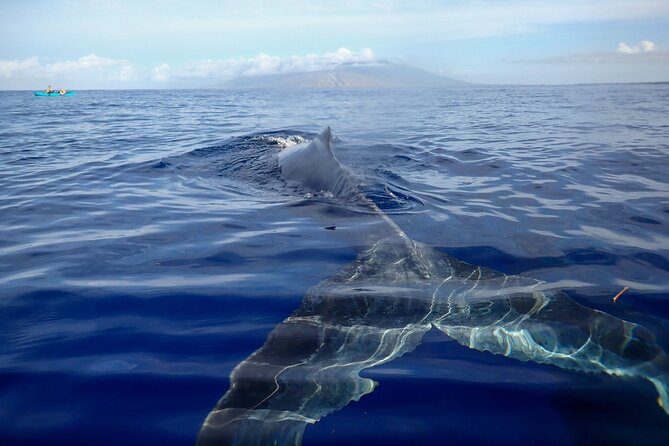
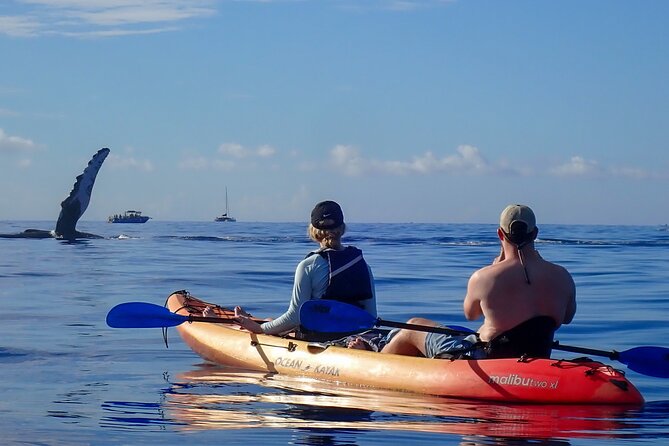
Kayaking changes the whole emotional math of whale watching. On a boat, you’re elevated, separated, and mostly watching from a distance. In a kayak, you’re closer to the waterline, lower to the surface, and more aware of what’s happening around you. That difference shows up in the reviews as something truly surreal and special.
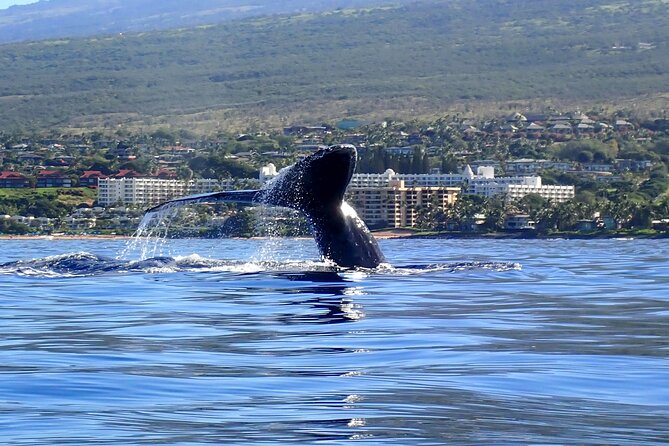
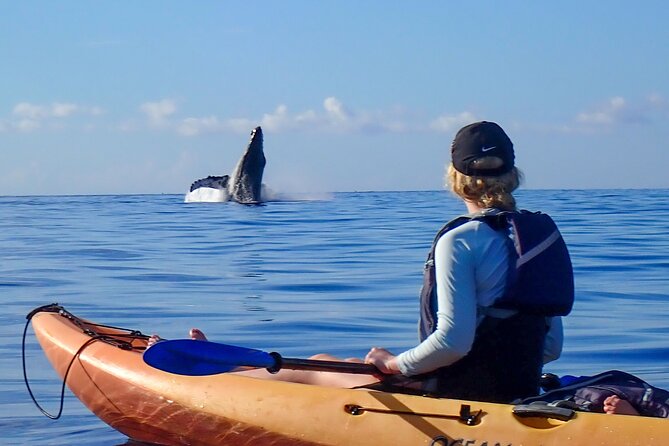
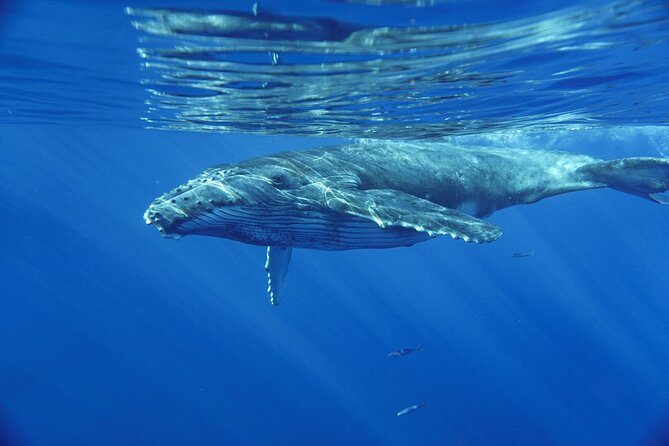
You should expect whales to come to the surface nearby, sometimes very close, and with behaviors that can include spouting, fluking, and raising their heads. Some outings also include breaching—one of those high-energy moments where the whale turns a regular sighting into something unforgettable. The key is that these encounters are framed as non-invasive: the whole point is to observe without rushing the animals.
One of the most unique reported moments is whale song. People talk about hearing whales singing underwater during the kayak, and they describe it as vivid enough that you don’t need a speaker or microphone to get it. That’s the kind of sensory detail that can make a whale day feel almost spiritual, but still grounded in real, physical experience.
And yes, you might wonder if it’s scary when whales are close. The consistent theme from guide-led trips is safety-first positioning. With an experienced guide, you get close without feeling like you’re breaking the whales’ space.
Paddling + Spotting: How the 3 Hours Usually Play Out
Even without a minute-by-minute script, you can understand the flow. The day starts at 7:00 am, so expect a period of getting kitted up and listening to instructions before you head out. With a max group size of 8, you’re not lost in the shuffle. That typically means you get clearer direction for what to do when a whale appears.
Once you’re on the water, the experience splits into two modes: paddling and waiting. When you’re not actively moving toward a sighting, you’re still doing something—staying positioned, keeping calm, and allowing the whales to approach naturally. The guides Chris and Kris are praised for spotting whales and then waiting in the right places, which is exactly what you want on a kayak. You’re not just chasing.
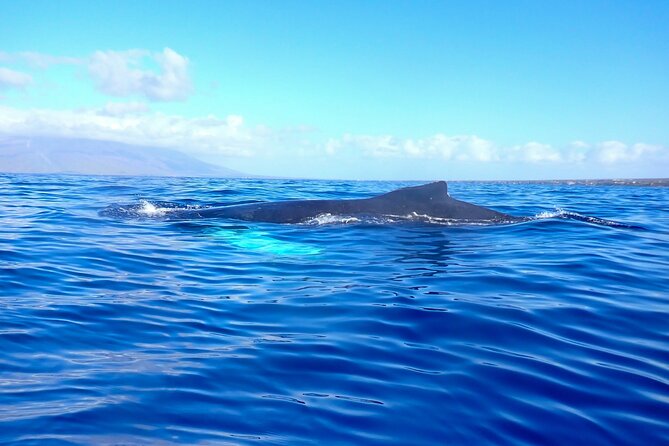
The best parts of the “feel” of the trip come when you’re in that sweet spot: whales surface close enough that you see detail at eye level, then you get time to watch behavior unfold. People describe whales raising fins, coming up close, and interacting between different groups in the same area. That’s also why the tour length is about 3 hours. It’s enough time to find whales and have real viewing moments without turning the day into one long endurance paddle.
When the whales time is done, you return to the launch area and wrap up back at Makena Landing Park. That predictable end point is helpful. You’re not left wondering how late it will run.
More paddle-and-snorkel outings off Maui


Guides Chris and Kris: Safety, Patience, and Whale-Spotting
On this kind of tour, the guide is the product. A kayak is small, and conditions can change fast. The strongest praise in the experience centers on guides Chris and Kris: described as professional, skilled, kind, and very good at keeping everyone safe.
What that means for you in practice:
- The guide spots whales and makes strategic positioning choices, instead of just saying you’ll see something.
- The guide’s tone is calm and organized, which matters when you’re in the water and trying to stay steady.
- People repeatedly mention feeling safe while still getting up close, which tells you the guide is respecting distance and timing.
You’ll also get the sense that this isn’t “tour-only knowledge.” Reviews highlight that guides love the community and the animals, and you feel that through the way they explain what you’re seeing. If you like learning while you watch, this style tends to hit the sweet spot.
One more helpful detail: because the group is limited to 8 travelers, the guide can adjust in real time—especially important if someone needs a little extra help with paddling control or staying comfortable.
Photos, Water, and the Little Cost Details That Matter
What’s included is straightforward. You get bottled water, which is a small thing that still makes a big difference on a morning that starts early. You also have digital photos available to purchase. That’s useful because whales can surface quickly, and not everyone wants to burn battery life chasing perfect shots.
What’s not included is gratuity for the guide. That’s not unusual in tours, but it’s good to know ahead of time so you don’t budget your total trip cost as if it’s all-in.
If you’re a photo person, the digital-photo option is worth considering. Even with good phone cameras, timing can be hard when you’re on a kayak and focusing on safety and posture. A guide-led photo set can be the difference between having a few blurry shots and actually getting keepers.
Also, remember the tour ends where it starts. That makes it easier to plan how you’ll handle your photos afterward—no complicated drop-offs or extra stops.
Price and Value: Is $130 Worth It for Whale Kayaking?
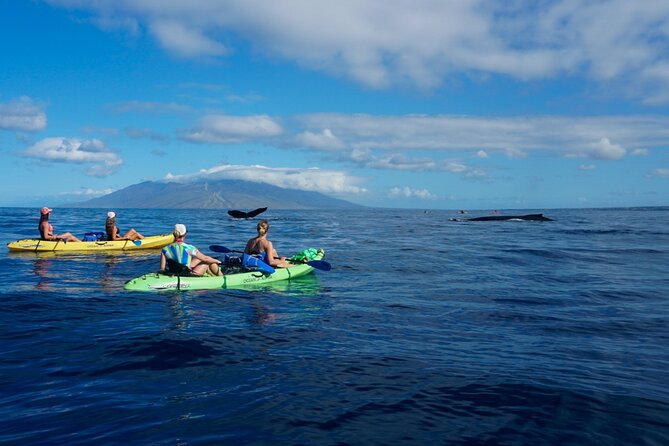
At $130 per person for about 3 hours, you’re paying for a very specific format: small-group kayaking during the humpback season. That price can feel like a lot if you compare it to general Maui activities.
But here’s the value logic that makes it make sense:
- You’re not just paying for whale sightings. You’re paying for a guided kayak experience designed to get you close to whale behavior from the waterline.
- The max 8 travelers structure adds value. Less crowded means more attention and better positioning.
- You get some tangible add-ons: bottled water and digital photos you can buy afterward.
The other part of value is the “chance factor.” Whale sightings aren’t 100% guaranteed in any sea-going activity, even in prime season. Still, this tour is built around the seasonal window and the guide’s ability to find whales and place kayaks where whales naturally appear. In that sense, the price buys you time with a professional who’s actively working the conditions, not just transportation.
For $130, I’d think of it as a one-time, memory-making day. If you’re the type who gets excited by real nature moments and can handle a moderate fitness effort, it’s strong value. If you want a guaranteed, low-effort, no-water movement experience, you may feel differently.
Who This Fits Best (And Who Should Rethink)
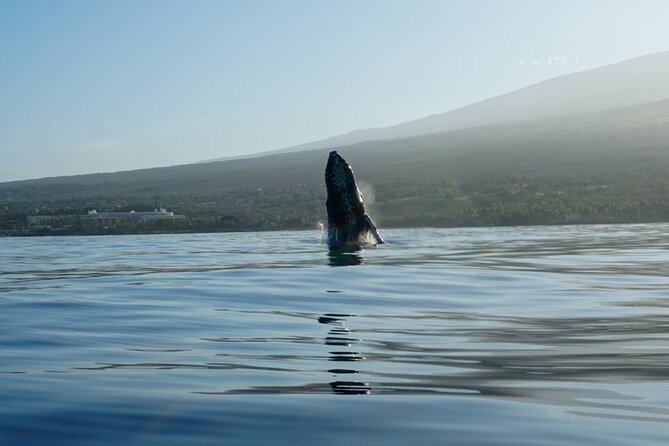
This tour asks for moderate physical fitness. That doesn’t mean you need to be an athlete, but you should be able to paddle and stay comfortable in the water conditions long enough to participate. You’ll also want to feel fine with a calm, focused morning routine at 7:00 am.
It’s a great fit for:
- Nature lovers who want more than a distant view
- Couples who want an intimate adventure
- Families with kids who are comfortable on the water and can follow guide direction
- Anyone who cares about respectful wildlife encounters and doesn’t want a chaotic crowd
It’s less ideal for:
- People who are not comfortable with moderate physical effort
- Anyone who hates being outdoors early, especially when the day depends on weather
If you’re unsure about the fitness piece, treat it as a signal. Kayaking has a real physical component. Don’t plan to “power through” if you’re already struggling with mobility or endurance.
Should You Book This Kayak and Whale Watching Tour?
I’d book it if your Maui trip has room for one big nature moment and you’re traveling during mid-December to end of March. The small group size, the early 7:00 am start, and the repeated emphasis on safety and whale-spotting by guides like Chris and Kris all point to a well-run experience.
I’d also book it if you’re drawn to the sensory side of whale watching. Hearing whale singing underwater and feeling that you’re watching from the same world as the whales is the kind of detail that doesn’t happen on every outing.
Hold off if you’re not comfortable with moderate physical fitness, or if your schedule can’t handle a day that depends on weather. The trip requires good conditions to run well, and the ocean is the ocean.
FAQ
Where is the meeting point for the kayak and whale watching tour?
You’ll meet at Makena Landing Park, 5083 Makena Rd, Kihei, HI 96753, USA. The activity also ends back at this same meeting point.
What time does the tour start?
The tour starts at 7:00 am.
How long is the tour?
The duration is approximately 3 hours.
How many people are in each group?
The tour has a maximum group size of 8 travelers.
What’s included in the price?
The tour includes bottled water and digital photos available to purchase.
What should I know about physical demands?
The tour asks for moderate physical fitness.
What happens if weather is bad?
This experience requires good weather. If it’s canceled due to poor weather, you’ll be offered a different date or a full refund.
More Tour Reviews in Maui
- Maui Pineapple Farm Tour in Haliimaile
★ 5.0 · 2,855 reviews - Small-Group Road to Hana Adventure Tour with Pickup & Lunch
★ 5.0 · 2,637 reviews - Maui Eco-Raft Tour: Eye-Level Whale or Dolphin Watching – Lahaina
★ 5.0 · 2,482 reviews - Maui Snorkeling Adventure to Molokini and Turtle Town
★ 4.5 · 2,221 reviews - Maui: Haleakala Sunrise Spectacular with Local Breakfast
★ 4.5 · 2,155 reviews
Kayak and Snorkel, Maui
- Maui Clear Kayak and Snorkel Tour: Swim with turtles (Makena)
★ 5.0 · 551 reviews - Maui: Turtle Town Kayak and Snorkel Tour
★ 4.7 · 345 reviews - Turtle Reef Kayak Tour of Makena, Maui
★ 4.5 · 328 reviews - Clear Kayak Tour with Pontoons and Optional Snorkeling-Unlimited
★ 5.0 · 224 reviews - Kayak & Turtle Town Snorkel(Turtles Guaranteed) + Whale Watching
★ 5.0 · 196 reviews
Whale Season on Maui
- Maui Eco-Raft Tour: Eye-Level Whale or Dolphin Watching – Lahaina
★ 5.0 · 2,482 reviews - From Maalaea: Whale Watching Tour Aboard the Quicksilver
★ 4.5 · 1,461 reviews - Maui: Ultimate Whale Watch from Lahaina
★ 5.0 · 1,162 reviews - WHALES GUARANTEED Maui Whale Watching Makai Adventures
★ 5.0 · 1,081 reviews - Ma’alaea Harbor: Whale Watching Tour Aboard Power Catamaran
★ 4.6 · 979 reviews
More of Maui we have reviewed, from the crater to the coast



Maui Whale Watching Tours, compared.
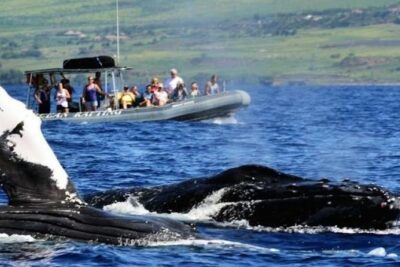 ★ 5.0Maui Eco-Raft Tour: Eye-Level Whale or Dolphin Watching – LahainaFrom $852,482 reviews
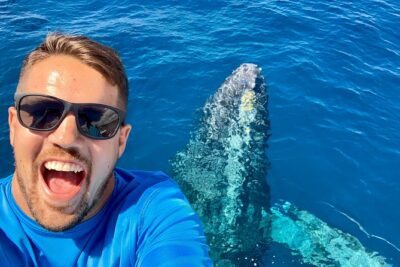 ★ 4.5From Maalaea: Whale Watching Tour Aboard the QuicksilverFrom $491,461 reviews
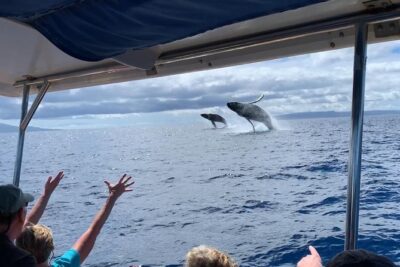 ★ 5.0Ultimate Whale Watch from LahainaFrom $771,162 reviews
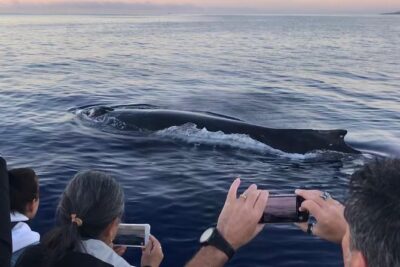 ★ 5.0WHALES GUARANTEED Maui Whale Watching Makai AdventuresFrom $971,081 reviews
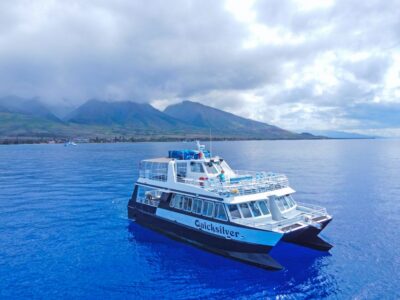 ★ 4.6Ma’alaea Harbor: Whale Watching Tour Aboard Power CatamaranFrom $49979 reviews
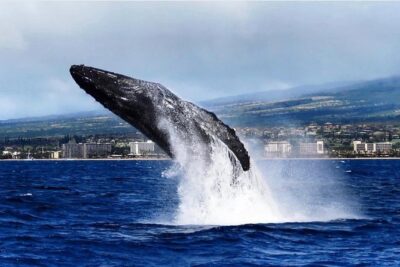 ★ 5.0Whale Watching Cruise with Open Bar from Ka’anapali BeachFrom $115802 reviews
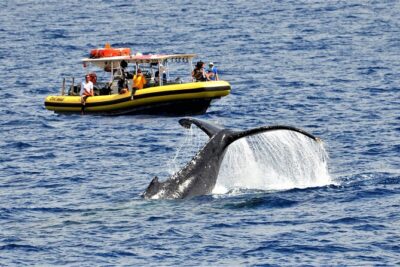 ★ 5.0Whale Watching Maui: 2-Hour Small Group Raft Tour from LahainaFrom $80661 reviews
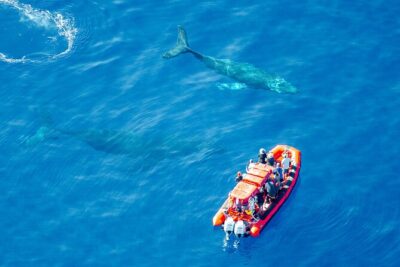 ★ 5.0Maui Whale-Watching Tour by Raft from KiheiFrom $84646 reviews
Browse the lists this tour appears in