
Reviewed · HALEAKALA SUMMIT & SUNSET TOURS
Haleakala Volcano Slingshot Tour from Lahaina
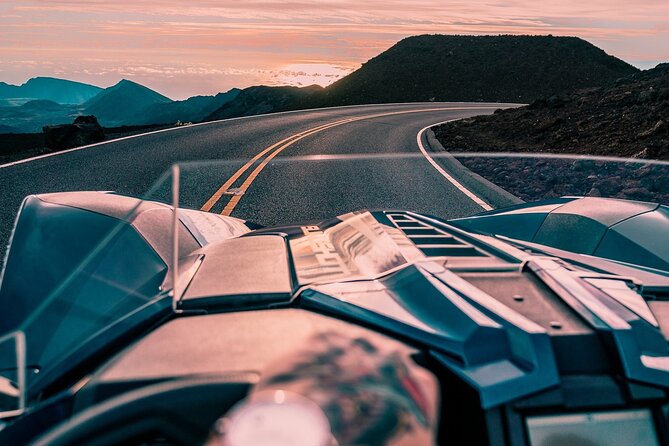
Haleakalā feels unreal in a Slingshot. This private, self-paced drive turns Maui’s highest ground into an open-air road trip, with Polaris Slingshot thrills and Haleakalā crater views built right into the day. You get a pre-programmed route in the vehicle, so you’re not stuck on a bus schedule while you chase the best light.
I like the freedom most: you’re not herded, and you can linger at the summit stops as your energy and weather allow. I also like that the route hits a smart mix—volcano science up top, then cooler upcountry gardens, lavender, wine, art glass, and farm life down the hill.
One real consideration: this ride is open-air. When the weather flips from warm to windy-cold and you get rain or heavy sun, you’ll feel it fast—there’s no roof to save you. Plan for the elements, or the day can turn into a shivery chore instead of a highlight.
In This Review
- Key highlights worth knowing
- Why drive Haleakalā in a Polaris Slingshot?
- Your day at a glance: 24-hour freedom from Kaanapali
- Price and the money math that actually matters
- Stop 1: Haleakalā Visitor Center at 9,740 feet
- Stop 2: The crater zone and why it’s not really a crater
- Stop 3: Observatory zone for 360° views (and big-science astronomy)
- Stops 4 and 5: Kula Botanical Garden and Alii Kula Lavender
- Stop 6: MauiWine tastings with pineapple wine in the mix
- Stop 7: Worcester Glassworks and the art of watching it happen
- Stop 8: Maui Tropical Plantation tram, farm-to-table, and more
- Driving reality: sun, wind, rain, GPS quirks, and altitude
- Sun and cold swing fast
- Rain happens on Haleakalā
- The GPS route is helpful, but not perfect
- Manual vs automatic: ask if you care
- Altitude sickness is not a myth
- Who this suits best on Maui
- Should you book this Haleakalā Slingshot tour?
- FAQ
- What’s included with the Haleakalā Slingshot tour?
- What’s not included in the price?
- How long do I spend at each stop?
- Do I drive the Slingshot myself?
- Is the tour private?
- What should I bring for the drive up to the summit?
Key highlights worth knowing

- A pre-programmed self-guided route in the Slingshot navigation helps you find your way without a tour bus rhythm
- 24 hours with the vehicle means you can flex your timing and still do all the major stops
- High-elevation sights at the Visitor Center, crater area, and observatory zone, including 360-degree views
- Open-air driving reality: strong sun and fast temperature drops are part of the deal
- Upcountry variety: botanical garden, lavender farm, winery tastings, glassblowing, and a tropical plantation tram
Sunset and summit trips to Haleakala worth a look
- Maui: Haleakala National Park Sunrise Tour★ 4.7 · 545 reviews
- Maui: Sunrise & Breakfast Tour to Haleakala National Park★ 4.4 · 170 reviews
- Hana Rainforest and Haleakala Crater Helicopter Tour★ 4.5 · 146 reviews
- Haleakala Summit Best Self-Guided Bike Tour with Bike Maui★ 4.5 · 107 reviews
Why drive Haleakalā in a Polaris Slingshot?
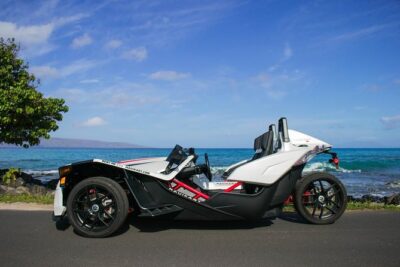
This is one of those Maui experiences that feels like more than transportation. When you climb Haleakalā in a three-wheeled, open-air Polaris Slingshot, you’re not just seeing the volcano—you’re riding through it. Roads curl up into cloudbanks, wind hits the ear, and the views keep coming in slices instead of all at once from a viewpoint.
The big value here is that it’s private. Your group gets the car for the full day window, and the route is planned, but not controlling. You can stop when you want for photos, walk around the Haleakalā Visitor Center area, or take your time at the crater overlook and summit zone.
Also, the route isn’t just “volcano and done.” It’s designed to keep your day moving: upcountry gardens and lavender give you a break from the extreme elevation, then you drift into slower, sensory stops like a winery, a glass studio, and a tropical plantation with a tram tour.
Your day at a glance: 24-hour freedom from Kaanapali
The tour is sold as a “1-day” experience, but you’re actually getting something closer to a full day of driving freedom. The Slingshot use is 24 hours, and the stop times are averages, not hard limits. That matters on Haleakalā because weather changes. One day it’s clear; another day it’s clouds and mist rolling in.
Meeting point is in the Lahaina/Kaanapali area (Kaanapali, HI 96761). You drive out, hit the planned stops, then return to the same meeting point. The tour is offered in English, and you’ll get a mobile ticket.
Practical detail: there’s a driver requirement. The driver must be 21+ with a valid driver’s license (from any country) and passengers have to be able to sit securely. You’re also asked for a refundable security deposit at pickup—reported as $750 or $1,500 depending on the rental terms. Since it’s refundable, it’s mainly a cash-flow item, but still plan for it.
Price and the money math that actually matters
The listed price is $541 per group (up to 2 people). That’s not cheap, but it can be strong value on Maui because you’re paying for:
- the vehicle for 24 hours
- the pre-loaded navigation route (listed value: $25)
- helmets included
- the convenience of an organized stop sequence that covers a lot of ground
If you’re splitting with one other person, you can think of it as roughly $270.50 per person for the vehicle day. If you’re doing this as a couple or two friends, it often feels more reasonable than it first sounds. If you’re going solo, it’s a bigger bite—but still can be worth it if you want the open-air drive plus the ability to manage timing without a group tour.
Don’t forget two add-ons:
- Haleakalā National Park entrance fees: $30 per vehicle (listed as $30 per booking as well)
- Sunrise reservations (3am–7am): $1 per booking, if you’re going for early access
Plan for weather and visibility. If you’re aiming for sunrise at the summit, that early window changes everything. If you’re not, the flexible daytime plan is usually easier and less stressful.
Stop 1: Haleakalā Visitor Center at 9,740 feet
Your first major stop is the Haleakalā Visitor Center, located around 9,740 feet (2,970 meters) near the summit. This is where you get the baseline understanding—park info, exhibits, and ranger-led programs when they’re available.
Why this stop matters: it’s a reset point after the climb. Even if you’re eager to move on, take time to orient yourself. The Haleakalā area is full of ecological zones and geology that change fast with altitude, so a quick orientation helps the rest of the day “click.”
Expected timing on the route is about 30 minutes. Admission here is not included in the Slingshot tour package, so check your plan based on what you want to do at the visitor center.
Other open-road rentals to explore Maui in



Stop 2: The crater zone and why it’s not really a crater
Next up is the Haleakalā Crater area. The name is common, but it’s worth knowing: it’s essentially a massive depression formed by erosion, not a traditional explosive crater. That geological nuance changes how you interpret the terrain—more “weathered and shaped over time” than “popped outward.”
This stop is dramatic. Expect cinder cones, volcanic rock formations, and rare native plant species in a high-altitude ecosystem. The area is also sacred to Native Hawaiians and holds cultural significance, so treat it with quiet respect. Even when you’re chasing photos, keep your focus on what’s around you.
Timing again is about 30 minutes. If you want the best light for photos, you’ll do well arriving with patience. The area can look totally different depending on cloud cover and wind.
Stop 3: Observatory zone for 360° views (and big-science astronomy)
At the summit area you’ll reach the Haleakalā Observatory zone. This is where you can get 360-degree views of Maui, and on clear days you can even see other islands in the distance.
You’re also in a real science zone. The observatory complex includes multiple research instruments operated by different institutions. One highlight mentioned for this site is Pan-STARRS, designed to scan the sky for potentially hazardous asteroids and comets. The area also supports solar telescopes and other instruments used for studying the sun and the atmosphere.
Time here is about 30 minutes. It’s usually enough to walk a bit, soak in the views, and read what you can—without turning your day into a long observatory lecture.
One note that I consider important: altitude can affect you. The summit is above 10,000 feet, and altitude sickness is real at that elevation. If you start feeling dizzy or nauseated, slow down. Take breaks. Don’t treat the summit like a quick walk-through if your body says otherwise.
Stops 4 and 5: Kula Botanical Garden and Alii Kula Lavender
After the summit, the route intentionally gives you a calmer pace with cooler upcountry stops.
Kula Botanical Garden is about 45 minutes on the route. It’s over 8 acres and started as a native Hawaiian plant reserve. You’ll find more than 2,000 plant species across the grounds, plus features like a koi pond. There’s also a conservatory, an aviary, and nene geese mentioned as part of what you might see.
Why you’ll like it: it’s a place to walk without rushing. After the wind and exposure of Haleakalā, this feels like a breather. You can focus on plants, rock formations, and shaded pathways.
Next is Ali’i Kula Lavender, also around 45 minutes. This is a 13.5-acre farm with about 55,000 lavender plants and 45+ varieties. The day-to-day charm here is the combination of fields and upcountry views over Maui’s central valley and the West Maui Mountains.
Many visits include guided tours that explain lavender farming and the property’s history. Even if you’re mainly here to wander, the pacing helps after the summit climb.
Stop 6: MauiWine tastings with pineapple wine in the mix

Then you move into something more sensory: wine and tropical fruit flavors.
MauiWine is listed with 1 hour 30 minutes on the route. It was founded in 1974 and is known for making wines that blend classic grape varieties with Hawaiian pineapple. If you like food and local ingredients, this stop can feel like a nice payoff after a big outdoors day.
The estate-grown wines are tied to Ulupalakua vineyards, while tropical wines highlight pineapple. You can explore the historic grounds, including King’s Cottage, and do tastings in a welcoming atmosphere. Sustainability and land respect are mentioned as part of how they operate, which matters if you care about what’s behind the bottle.
Stop 7: Worcester Glassworks and the art of watching it happen
Worcester Glassworks is a shorter stop (about 30 minutes) but it’s a great contrast to the outdoors.
This is a hand-blown glass studio known for vibrant colors and fluid shapes, with local themes inspiring the pieces. You might see functional items like vases and bowls, plus sculptural art pieces with variations you can only get through hand work.
If you like crafts, this stop is worth it even if you’re not planning to buy. Watching glassblowing can be surprisingly satisfying because the pace feels different than a typical retail shop.
Stop 8: Maui Tropical Plantation tram, farm-to-table, and more
The final planned stop is Maui Tropical Plantation, about 1 hour on the route.
This is a working-style estate where you can learn about tropical crops like coconuts, papayas, mangoes, and more. The centerpiece is a tram tour that winds through fields with educational context.
There’s also the Mill House for farm-to-table dining if you want to eat before heading back down. Beyond that, the grounds can include activities like zipline adventures, shopping at artisan boutiques, and cultural demonstrations, depending on what’s scheduled when you visit.
Why end here: it gives you closure with something grounded in everyday Maui life—agriculture, flavors, and slow movement—after the scientific and high-altitude parts of the day.
Driving reality: sun, wind, rain, GPS quirks, and altitude
This experience lives and dies on how you prepare for the drive.
Sun and cold swing fast
One theme shows up again and again: sun protection makes or breaks it. The Slingshot has no top, so you’re exposed. People found that “it looks warm where I start” can fool you. Once you gain elevation, the temperature drops and the wind strengthens.
What to do:
- wear long sleeves and pants (or at least cover your arms and legs well)
- bring a hat/visor for glare
- bring a light sweater or layer for summit chill
- use sunscreen on everything exposed, then reapply at major stops like the visitor center and summit
Also, don’t forget “small” places like ears. The wind can make you feel cooler, which tricks you into thinking you’re safe. You’re not.
Rain happens on Haleakalā
Rain and cloud cover are common enough that you should plan like it might happen. When rain hits, visibility and comfort drop quickly. One driver guidance: use a rain coat and consider eye protection for raindrops.
If conditions look rough, take it slow on descents. Corners feel different at elevation, and wind can tug at your line.
The GPS route is helpful, but not perfect
The route is pre-programmed in the Slingshot navigation, and that’s a huge help—especially because you’re not learning the roads from scratch. Still, expect some routing weirdness. If the GPS sends you down a dead-end road, you’ll want a backup navigation app like Waze to correct quickly.
The practical takeaway: don’t get stubborn. If something looks wrong, trust your maps and pull over rather than forcing it.
Manual vs automatic: ask if you care
If you like driving style, there’s at least one tip worth passing along: if you can drive stick and want that experience, ask for a manual Slingshot when you pick up. If you can’t drive manual, mention that too. It’s better to confirm than to be surprised with a different gear setup.
Altitude sickness is not a myth
At the summit height—above 10,000 feet—altitude can hit fast. If you feel dizziness or nausea, cut your time short at the high points and focus on getting back to lower elevation. Hydrate and take breaks. Don’t push through like you’re just feeling a little tired.
Who this suits best on Maui
This tour fits best if you want:
- a self-guided way to do Haleakalā without bus crowds
- an open-air driving experience with lots of viewpoints
- a day that mixes geology and science with upcountry gardens and local food/drink stops
- a couple trip or a small group that wants to set the pace
It’s less ideal if you:
- hate exposure to sun or cold
- get motion/speed uneasy in small vehicles
- want a fully “guided” narrative experience at every stop (this is a route and stops model, not a lecture bus)
Should you book this Haleakalā Slingshot tour?
I’d book it if you’re excited about driving as part of the experience and you’re willing to pack for extreme weather swings—sun, wind, and possible rain. The best payoff comes when you treat the day like a flexible road trip: pause for the views, enjoy the gardens and farm stops, and don’t rush the summit zone.
I’d think twice if you know you’re sensitive to altitude or you don’t like open-air conditions. In that case, you might enjoy a more sheltered format higher up the mountain.
If you do book, plan ahead for good timing (the average booking lead time is about 25 days), prepare layers and strong sun protection, and bring a backup navigation app. Do that, and you’ll likely come away feeling like Haleakalā was something you drove through, not just something you passed by.
FAQ
What’s included with the Haleakalā Slingshot tour?
You get 24-hour use of a Polaris Slingshot, a self-guided route pre-loaded in the navigation system, and helmets.
What’s not included in the price?
You’ll still pay Haleakalā National Park entrance fees ($30 per vehicle), and sunrise reservations (3am–7am) cost $1 per booking if you’re planning for sunrise.
How long do I spend at each stop?
Stop times are given as averages: about 30 minutes at the Visitor Center, crater, and observatory; 45 minutes each at Kula Botanical Garden and Ali’i Kula Lavender; 1 hour 30 minutes at MauiWine; 30 minutes at Worcester Glassworks; and 1 hour at Maui Tropical Plantation.
Do I drive the Slingshot myself?
Yes. This is a private activity, and you’ll have a driver who must be 21+ with a valid license. Passengers of any age must be able to sit securely.
Is the tour private?
Yes. It’s listed as private, so only your group participates.
What should I bring for the drive up to the summit?
Bring layers for fast temperature changes and strong sun protection because the Slingshot is open-air. If rain is likely, bring a rain layer and consider eye protection for visibility.
More Tour Reviews in Maui
- Maui Pineapple Farm Tour in Haliimaile
★ 5.0 · 2,855 reviews - Small-Group Road to Hana Adventure Tour with Pickup & Lunch
★ 5.0 · 2,637 reviews - Maui Eco-Raft Tour: Eye-Level Whale or Dolphin Watching – Lahaina
★ 5.0 · 2,482 reviews - Maui Snorkeling Adventure to Molokini and Turtle Town
★ 4.5 · 2,221 reviews - Maui: Haleakala Sunrise Spectacular with Local Breakfast
★ 4.5 · 2,155 reviews
Rent It, Roam Maui
- Single Passenger Moped/Scooter – 18+ NO Motorcycle License Needed
★ 5.0 · 60 reviews - 2 Passenger 200cc Scooter Rental – 21+ – Motorcycle License
★ 5.0 · 35 reviews - Full-Day Polaris Slingshot Rental in Maui Hawaii
★ 5.0 · 14 reviews - Explore Maui in a Polaris Slingshot from Lahaina
★ 4.0 · 9 reviews - Explore Maui in a Polaris Slingshot Rental from Kihei
★ 4.5 · 6 reviews
Haleakala After the Crowds Leave
- Maui: Haleakala National Park Sunrise Tour
★ 4.7 · 545 reviews - Maui: Sunrise & Breakfast Tour to Haleakala National Park
★ 4.4 · 170 reviews - Hana Rainforest and Haleakala Crater Helicopter Tour
★ 4.5 · 146 reviews - Haleakala Summit Best Self-Guided Bike Tour with Bike Maui
★ 4.5 · 107 reviews - Haleakala National Park with Breakfast and South Side Pickup
★ 5.0 · 80 reviews
More of Maui we have reviewed, from the crater to the coast

Haleakala Summit & Sunset Tours, compared.
 ★ 4.7Haleakala National Park Sunrise TourFrom $219545 reviews
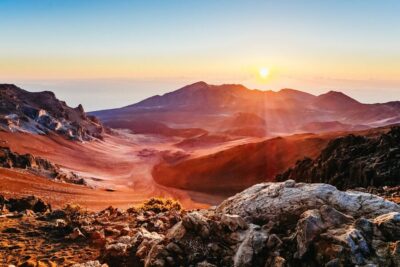 ★ 4.4Sunrise & Breakfast Tour to Haleakala National ParkFrom $254170 reviews
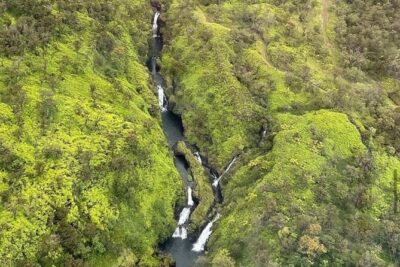 ★ 4.5Hana Rainforest and Haleakala Crater Helicopter TourFrom $332146 reviews
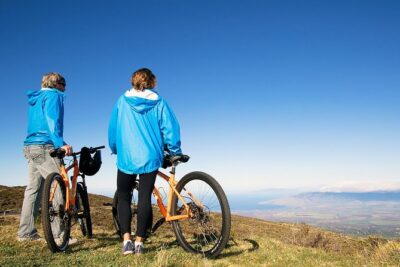 ★ 4.5Haleakala Summit Best Self-Guided Bike Tour with Bike MauiFrom $238107 reviews
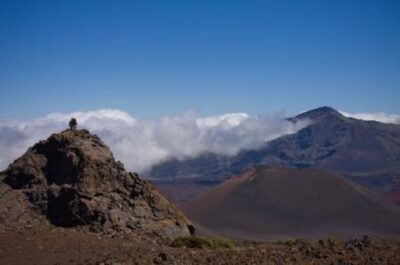 ★ 5.0Haleakala National Park with Breakfast and South Side PickupFrom $24080 reviews
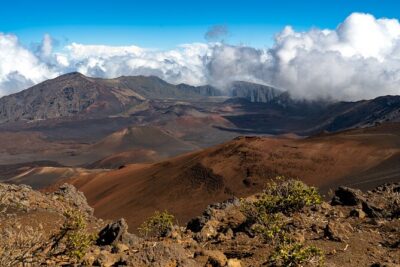 ★ 5.0Haleakala Crater Hiking ExperienceFrom $20870 reviews
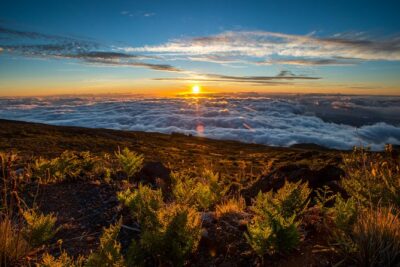 ★ 5.0Private Haleakala Summit & Stroll from Kahului67 reviews
 ★ 4.4Sunset & Dinner Tour to Haleakala National ParkFrom $24156 reviews
Browse the lists this tour appears in