
Reviewed · ROAD TO HANA TOURS
Haiku Butterfly Garden – 1st stop on the Road to Hana!
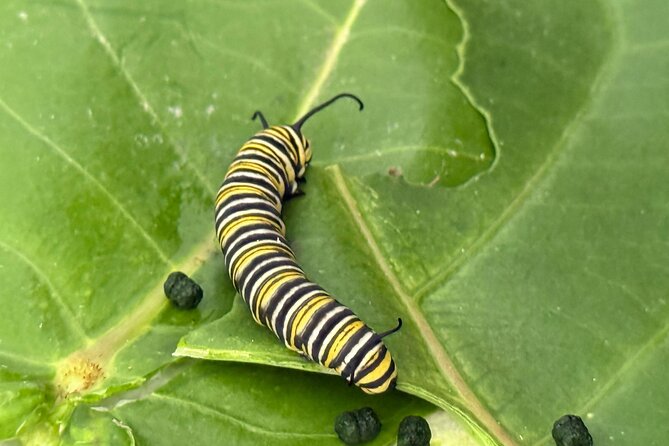
Monarchs start tiny, then turn into something magical. This 25-minute stop in Haiku is a focused look at the monarch butterfly life cycle—eggs to caterpillars to chrysalis to adults—inside a habitat built for them. I love that it’s not just watching through glass; you get hands-on time and a short guided tour you can actually fit into a busy Hana day.
Two things I especially like: the 100-foot-long meshed greenhouse that recreates the right habitat for monarchs, and the chance to learn what each stage needs while you’re there. The guide, including host Rich, keeps it friendly and clear, so you leave with a real sense of how monarchs live, not just how they look.
One consideration: it’s weather-dependent. If conditions are poor, you may need to change plans, and you’re on a tight time window for a 25-minute visit.
In This Review
- Key Highlights Before You Go
- Why This Haiku Stop Works So Well on the Road to Hana
- Inside the 100-Foot Meshed Greenhouse Habitat
- How the Monarch Life Stages Are Explained From Egg to Adult
- The Hands-On Moment: Holding a Caterpillar
- Guided Tour Pacing for a 25-Minute Hana Day
- What to Expect as You Observe Butterflies in Motion
- Price and Value: Is $50 Worth It?
- Who This Tour Is Best For (And Who Might Skip It)
- Practical Tips for Getting More From Your Visit
- Weather Matters: Plan for a Smooth Day on Hana Highway
- The Bottom Line: Should You Book Haiku Butterfly Garden?
- FAQ
- Where is the Haiku Butterfly Garden meeting point?
- How long is the tour?
- What is included in the experience?
- Is there a mobile ticket?
- How many travelers are in a group?
- Are service animals allowed?
- Can most travelers participate?
- What happens if the weather is bad?
- What is the cancellation window for a full refund?
Key Highlights Before You Go
- 100-foot-long meshed greenhouse designed for monarch habitat and easy viewing
- Nectar-rich flowers and milkweed plants so you can see what monarchs actually rely on
- Guided life-cycle walkthrough from egg to caterpillar to chrysalis to adult butterfly
- Interactive moment: you’ll be able to hold a caterpillar (everyone gets a turn)
- Small group size (max 10 travelers) keeps the tour personal
- Mobile ticket for a quick, no-fuss check-in
More ways to drive the Road to Hana, compared side by side
- Small-Group Road to Hana Adventure Tour with Pickup & Lunch★ 5.0 · 2,637 reviews
- Road to Hana Adventure Maui Tour with Lunch★ 5.0 · 1,832 reviews
- Maui: Famous Road to Hana Waterfalls and Lunch by Mercedes Van★ 5.0 · 1,129 reviews
- Maui: VIP Private Road to Hana Tour with Pick Up★ 5.0 · 1,068 reviews
Why This Haiku Stop Works So Well on the Road to Hana
If you’re doing the Road to Hana, you’re already juggling winding roads, hairpin turns, and lots of pull-offs. What I like about the Haiku Butterfly Garden is that it’s built for a quick, meaningful break. It gives you an “easy win” before the day gets complicated—short enough to stay relaxed, educational enough to feel worth it.
This is also the kind of stop that makes the rest of Hana click. Once you understand how monarchs depend on milkweed for caterpillars and nectar plants for adults, you start noticing more nature on the drive—without turning your day into a science class. In other words, it’s not just cute. It’s useful.
And because the tour runs about 25 minutes, you’re not stuck waiting around for hours. That matters if you’re planning other stops along Hana Highway and trying to avoid late-day crowding.
Inside the 100-Foot Meshed Greenhouse Habitat
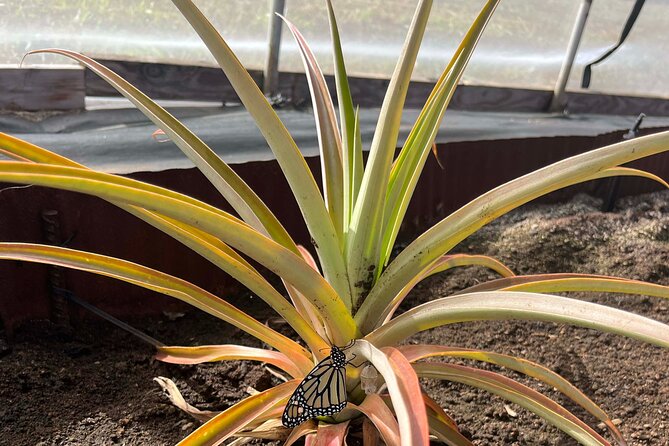
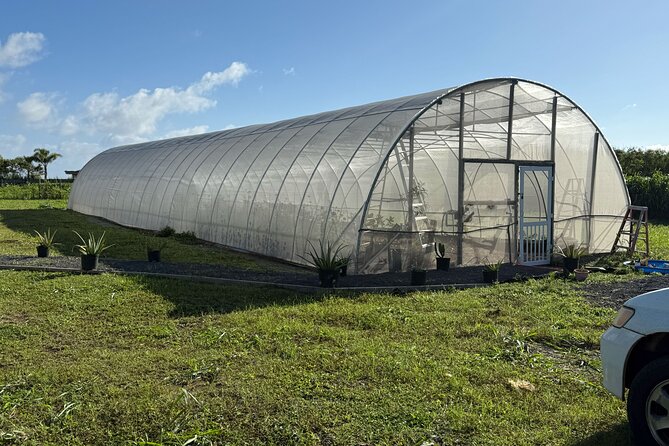
The heart of the experience is the 100-foot-long meshed greenhouse, which is exactly what it sounds like: a long indoor structure with mesh that helps create the right conditions for monarchs. You’re not wandering aimlessly. You’re guided through the habitat so you can connect what you see with what you learn.
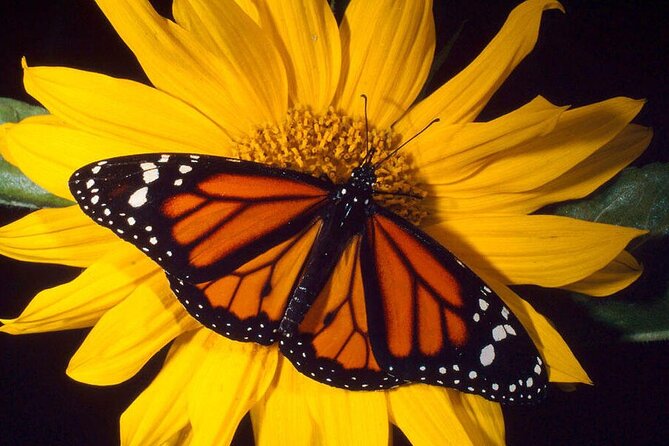
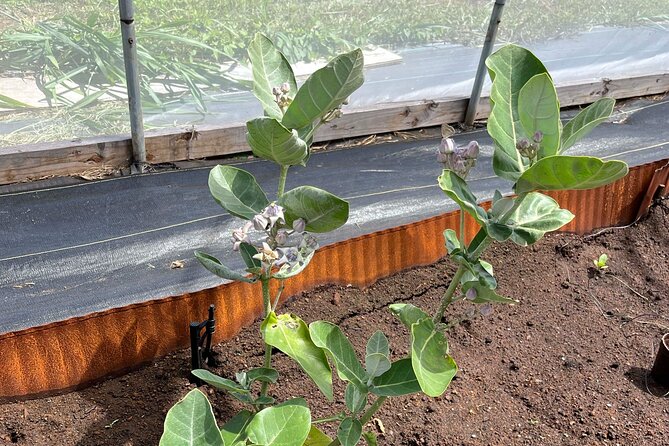
What stands out is the way the greenhouse is arranged around monarch needs. The tour highlights nectar-rich flowers for adult butterflies, plus milkweed plants that host monarch caterpillars. That pairing is important, because it explains why monarchs survive as a life cycle, not as a single moment.
You’ll also be close enough to observe behavior without feeling rushed. The greenhouse setup is designed for viewing, and that makes the butterflies feel less like a distant attraction and more like living residents of a habitat.
How the Monarch Life Stages Are Explained From Egg to Adult
The tour guide sets you up with the monarch story from the start. You’ll learn about the life stages—egg, caterpillar, chrysalis, then adult butterfly—in a way that connects each stage to what’s happening biologically and what the animal needs.
This matters because monarchs aren’t interesting only because they’re beautiful. They’re interesting because each stage has a different job. Eggs lead to caterpillars, and caterpillars rely on milkweed. Then the chrysalis stage changes everything—this is the transformation phase. Finally, adult butterflies shift focus to nectar and flight.
A big part of the value here is pacing. You get a clear sequence rather than random facts. By the time you’re looking at caterpillars and butterflies in the greenhouse, you already know what you’re seeing and why it matters.
The Hands-On Moment: Holding a Caterpillar
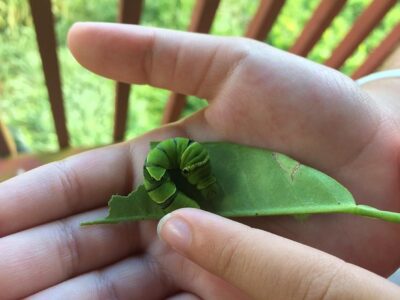
One of the best parts is the interactive element. The tour description makes it clear that everyone will get to hold a caterpillar. That’s not a generic “take a photo” moment. It’s a direct, up-close way to make the life-cycle lesson stick.
Even if you’re a little squeamish, I think this is the kind of interaction that changes how you see insects. Holding a caterpillar turns your brain from observer mode to participant mode. You feel the weight, you notice the movement, and you remember that this stage exists for survival and growth—not just for drama.
Practical tip: wear comfy shoes and be ready to follow the guide’s instructions closely. The tour is short, so you’ll want to listen carefully when it’s your turn. Also, keep in mind this is still a living creature process—your role is gentle handling and calm attention.
More Upcountry farms and tastings to visit


Guided Tour Pacing for a 25-Minute Hana Day
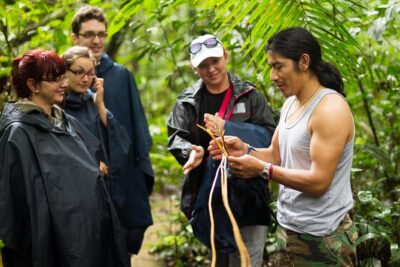
This visit is designed to be fast, clear, and not exhausting. The tour lasts about 25 minutes, and the group size is kept small, with a maximum of 10 travelers. That combination makes it feel more like a guided stop than a big attraction.
Because the group is small, you get a better chance to ask questions or get quick explanations without being shoved along. And because it’s time-limited, you’re less likely to feel like you’re stuck in a queue while the day passes you by.
You’ll be greeted by the guide and introduced to the world of monarchs, then walked through what to notice in the habitat. The end result is a neat “start-to-finish” experience you can slot into a Road to Hana plan without losing half the day.
What to Expect as You Observe Butterflies in Motion
After you learn the life stages, the greenhouse becomes more than a place to look. It becomes a living timeline. As you move through the habitat, you’re seeing monarchs at multiple stages, which helps you understand how they connect.
You’ll focus on things like nectar sources and milkweed plants, and you’ll get to observe the calm, peaceful side of butterflies in a controlled habitat. The atmosphere is meant to feel quiet and observational, not chaotic. That makes it a good break when you’ve been on the road and need your eyes to rest.
Also, don’t rush. Give yourself a few moments to watch butterflies settle and move around the flowers. It’s tempting to sprint to the “big moment,” but the calm watching is where the magic starts to land.
Price and Value: Is $50 Worth It?
At $50 for about 25 minutes, this isn’t the cheapest stop along Hana. But the value comes from three things you’re paying for: a guided explanation, a hands-on interaction, and a purpose-built habitat rather than a generic outdoor display.
If you’re traveling with kids, the interaction matters even more. The reviews highlight that a young child enjoyed walking around the garden and seeing the monarch butterflies up close. When an experience includes guided learning plus an actual touch moment, it tends to feel more substantial than a simple walk-through.
Even if you’re an adult, the structured life-cycle education makes it feel less like entertainment and more like understanding. And small group size helps keep the experience personal, which usually improves the “you got what you paid for” feeling.
Who This Tour Is Best For (And Who Might Skip It)
This is a strong fit if you want a short, meaningful stop with real learning and an interactive element. It’s also a great option if your Road to Hana plan needs something that’s not another long drive-time detour.
It’s especially appealing for:
- Families looking for kid-friendly nature that doesn’t take hours
- Anyone who wants monarch education tied directly to what they can see
- People who prefer smaller groups over big attractions
If you’re extremely averse to insects, the caterpillar holding may not be for you. Also, since the experience is weather-dependent and runs only 25 minutes, it’s less ideal if you need total flexibility on timing.
Practical Tips for Getting More From Your Visit
Here’s how to make the most of the experience without turning it into homework.
First, plan for focus. The tour is short, so treat it like a guided mini-class. Listen for the parts about each stage’s needs, then look for milkweed and nectar sources as you go.
Second, wear comfortable, closed-toe shoes. You’ll be walking around the greenhouse habitat, and comfort keeps you from rushing or losing attention.
Third, ask questions while you can. With a small group size, the guide can often answer quickly. If you’re curious about monarchs, this is the moment to ask—because the tour is timed.
Finally, treat the greenhouse as a living system. Move calmly, follow instructions, and let the monarchs be the main event.
Weather Matters: Plan for a Smooth Day on Hana Highway
This experience requires good weather. That doesn’t mean you should panic, but it does mean you should build your Road to Hana day with some realistic flexibility. If conditions are poor, you might need a different date or a full refund.
Because you’re planning for a 25-minute window, weather changes can throw off your mental schedule. The best move is to keep the day structured around a few key stops, then let this one be either a quick win or a flexible swap.
The Bottom Line: Should You Book Haiku Butterfly Garden?
If your goal is a short, high-impact stop with monarch education and a real hands-on moment, I think you should book. The 100-foot meshed greenhouse plus the guided walkthrough of eggs, caterpillars, chrysalis, and adult butterflies makes it feel purposeful. The chance to hold a caterpillar—and the fact that the tour is kept small—adds value that goes beyond simple sightseeing.
You might skip it only if you’re not a fan of insects, or if your schedule can’t handle weather-based changes. If those don’t apply, this is a smart early Road to Hana stop that gives you something you’ll remember after the drive.
FAQ
Where is the Haiku Butterfly Garden meeting point?
The start point is 2250 Hana Hwy, Haiku, HI 96708, USA. The activity ends back at the meeting point.
How long is the tour?
The tour lasts about 25 minutes.
What is included in the experience?
You’ll get a guided tour inside a long meshed greenhouse habitat for monarch butterflies, learn the monarch life stages, and everyone gets to hold a caterpillar.
Is there a mobile ticket?
Yes, the experience uses a mobile ticket.
How many travelers are in a group?
This activity has a maximum of 10 travelers.
Are service animals allowed?
Yes, service animals are allowed.
Can most travelers participate?
The experience notes that most travelers can participate.
What happens if the weather is bad?
This experience requires good weather. If it’s canceled due to poor weather, you’ll be offered a different date or a full refund.
What is the cancellation window for a full refund?
You can cancel up to 24 hours in advance for a full refund. If you cancel less than 24 hours before the start time, the amount paid is not refunded.
More Tour Reviews in Maui
- Maui Pineapple Farm Tour in Haliimaile
★ 5.0 · 2,855 reviews - Small-Group Road to Hana Adventure Tour with Pickup & Lunch
★ 5.0 · 2,637 reviews - Maui Eco-Raft Tour: Eye-Level Whale or Dolphin Watching – Lahaina
★ 5.0 · 2,482 reviews - Maui Snorkeling Adventure to Molokini and Turtle Town
★ 4.5 · 2,221 reviews - Maui: Haleakala Sunrise Spectacular with Local Breakfast
★ 4.5 · 2,155 reviews
Up in the Kula Cool
- Maui Pineapple Farm Tour in Haliimaile
★ 5.0 · 2,855 reviews - Lahaina: Maui Ku’ia Estate Guided Cacao Farm Tour and Tasting
★ 5.0 · 1,103 reviews - The Maui Butterfly Farm Tour
★ 5.0 · 446 reviews - Waterfall, Rainforest, Chocolate Tour & Historical Sites
★ 4.5 · 171 reviews - Taste of Hawaii: A Maui Farm Tour
★ 5.0 · 152 reviews
The Road to Hana, More Ways to Ride It
- Small-Group Road to Hana Adventure Tour with Pickup & Lunch
★ 5.0 · 2,637 reviews - Road to Hana Adventure Maui Tour with Lunch
★ 5.0 · 1,832 reviews - Maui: Famous Road to Hana Waterfalls and Lunch by Mercedes Van
★ 5.0 · 1,129 reviews - Maui: VIP Private Road to Hana Tour with Pick Up
★ 5.0 · 1,068 reviews - Maui: Small Group Road to Hāna Tour 6 to 8 passengers
★ 4.5 · 1,012 reviews
More of Maui we have reviewed, from the crater to the coast




Road to Hana Tours, compared.
 ★ 5.0Small-Group Road to Hana Adventure Tour with Pickup & LunchFrom $2092,637 reviews
 ★ 5.0Road to Hana Adventure Maui Tour with LunchFrom $2761,832 reviews
 ★ 5.0Famous Road to Hana Waterfalls and Lunch by Mercedes VanFrom $2491,129 reviews
 ★ 5.0VIP Private Road to Hana Tour with Pick UpFrom $6791,068 reviews
 ★ 4.5Small Group Road to Hāna Tour 6 to 8 passengersFrom $2501,012 reviews
 ★ 5.0Road to Hana Adventure with Farm to Table LunchFrom $259877 reviews
 ★ 5.0Rainforest Tour to Hana and BeyondFrom $210864 reviews
 ★ 5.0Small-Group Road to Hana Luxury TourFrom $385863 reviews
Browse the lists this tour appears in