
Reviewed · MAUI HELICOPTER TOURS
Deluxe Helicopter Tour of Molokai and Maui
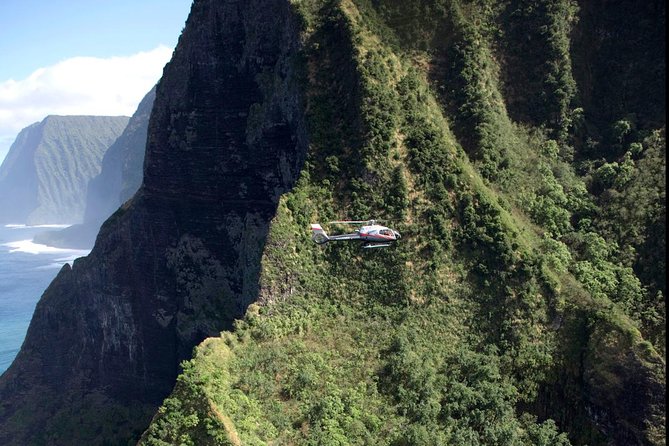
Flying over Molokai feels like stepping into a postcard. This two-island helicopter tour from the Kahului heliport turns big, famous views into something more intimate, especially once you’re above the tallest sea cliffs and the coastline stretches out like a map in the sky. You’ll also get wide, panoramic-window views that make even short moments feel worth slowing down for your camera.
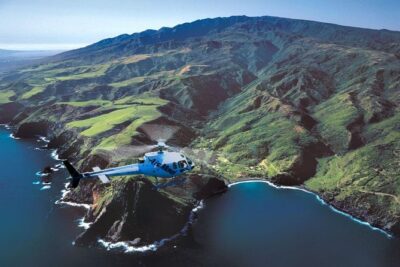
My favorite part is the mix of dramatic nature and quiet, human-scale details. On Molokai, you’re looking down on Kahiwa Falls, the dramatic Halawa Valley, and ancient fishpond areas, plus the Pailolo Channel pass between islands. The flight also comes with live, in-air narration, which helps you connect what you’re seeing with what makes the area special, even if you’ve never studied Hawaiian geography.
One consideration: this isn’t a do-it-anyday activity. You’ll need photo ID at check-in if you’re 18+, and seating is assigned based on legal weight-and-balance rules, so you may not sit right next to your travel partner.
In This Review
- Key Things You’ll Notice on This Helicopter Route
- Kahului Check-In and the 55-Minute Reality
- FAA ID, Weight Limits, and How Seats Get Assigned
- Airbus EC130 in the Air: Why the Aircraft Matters
- Molokai First: Kahiwa Falls, Halawa Valley, and the North Shore Drama
- Molokai South: Fishponds and the Quiet Texture of an Ancient Coast
- The Pailolo Channel Crossing: Between-World Views
- Back to Maui: Iao Valley State Park and West Maui Mountains
- Honokohau Falls, Haleakalā in the Distance, and the Smooth Finish
- What You’re Paying For at About $375
- Comfort Tips That Make the Flight Easier
- Who Should Book This (and Who Might Want a Different Option)
- Should You Book the Molokai and Maui Helicopter Tour?
- FAQ
- How long is the Molokai and Maui deluxe helicopter tour?
- Where does the tour start and end?
- What aircraft does Maverick Helicopters use for this tour?
- Do I need photo ID to fly if I’m 18 or older?
- What is the weight requirement for passengers?
- Can children fly on this tour?
- Are service animals allowed?
- Can I bring food or drinks on board?
- What happens if weather is bad?
Key Things You’ll Notice on This Helicopter Route
- Two islands, one flight: Molokai’s north and south coasts plus Maui’s Iao and west side views in about 55 minutes
- Sea cliffs and waterfalls together: towering cliff views paired with Kahiwa Falls and Maui’s Honokohau Falls
- Old fishpond country: you’ll see the southern coast fishponds built roughly 800 years ago
- Live pilot narration: the best part isn’t just sightseeing, it’s how the pilot points out landmarks as you pass them
- Small group feel: max 7 people per helicopter, plus the pilot, so it’s not a cattle-car experience
See more of Maui from the air: other helicopter tours
- Maui: Road to Hana Luxury Limo-Van Tour with Helicopter Flight★ 5.0 · 762 reviews
- Doors Off West Maui and Molokai 45 minute Helicopter Tour★ 5.0 · 487 reviews
- Deluxe Helicopter Tour of Molokai and Maui★ 5.0 · 324 reviews
- Maui: Road to Hana Helicopter & Waterfall Tour with Landing★ 4.9 · 277 reviews
Kahului Check-In and the 55-Minute Reality
This tour starts and ends back at the heliport in Kahului, Maui. Since there’s no hotel pickup, plan to arrive on time and keep your pre-flight schedule tight. The flight itself is about 55 minutes, which is long enough to cover multiple big highlights without feeling rushed.
What I like about the timing is that it fits well into a Maui day. You get a serious “wow” experience without consuming a full half-day of driving, parking, and hiking logistics. In return, the helicopter schedule depends on weather, because safety comes first.
The other reality check: you’re flying in a small aircraft. That means you’ll feel every rotation of the helicopter as the pilot re-angles the cabin to show key sights, and it’s smart to bring your camera grip ready rather than waiting until the last second.
FAA ID, Weight Limits, and How Seats Get Assigned
Before you go, make sure you can handle the paperwork piece. For passengers 18 and older, you must show original government-issued photo ID at check-in. Digital IDs and photocopies aren’t accepted, and if you show up without the real document, check-in can be denied with no refund.
Then there’s weight-and-balance. The tour lists 275 lbs per passenger as the total weight limit without needing extra seating. If you’re over that, you’ll be asked to purchase an additional seat on the day of the tour. Seats are assigned after check-in based on legal limits, and the operator doesn’t guarantee sitting next to or in the same row as your group.
This is worth thinking about if you’re traveling with someone who needs a specific view direction. The tradeoff is that this system keeps the flight legal and balanced, which is the whole point of flying safely in tight spaces.
Airbus EC130 in the Air: Why the Aircraft Matters
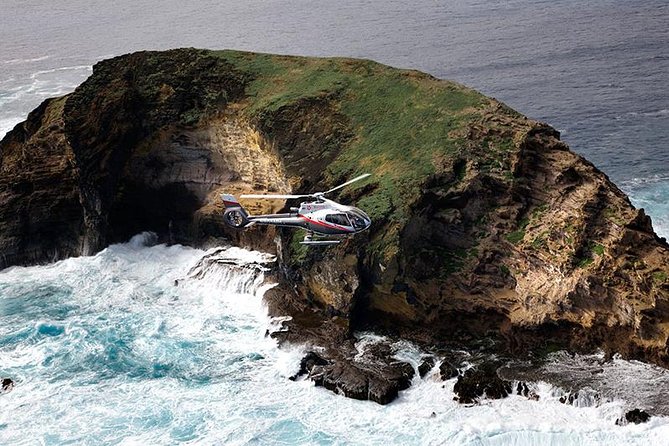
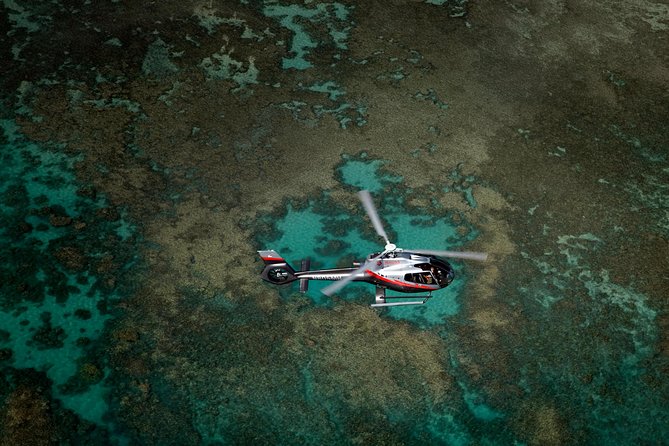
This flight uses EC130 helicopters by Airbus Helicopters. That’s not just trivia, because the EC130 category is built for stable flight and good visibility in the cabin, and the windows matter when you’re trying to photograph cliffs, waterfalls, and ocean channels.
You’ll also notice how the cabin is set up for sightlines. Many people care most about where they sit for pictures, and the honest answer is that seating is determined by weight and balance. Still, the pilot can adjust the aircraft’s orientation during the route so everyone gets a fair chance to see the main sights.
The tour is also capped at a small group size. With up to 7 travelers plus the pilot, you’re less likely to spend your flight staring at a stranger’s camera arm. In a helicopter, that small difference can be the difference between stress-free and cramped.
Molokai First: Kahiwa Falls, Halawa Valley, and the North Shore Drama
Molokai is where this itinerary starts earning its keep. After departing Kahului, you’ll cruise above jungle canopy and head toward Molokai, where you get that “how is this even accessible” feeling from the air.
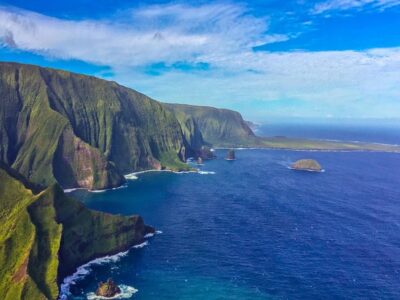
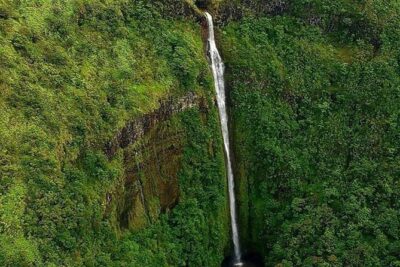
On the island, the big wins are the waterfalls and valleys. You’ll get views of Kahiwa Falls, which are among the tallest waterfalls in Hawaiʻi, plus the dramatic Halawa Valley look-down perspective that you simply can’t replicate from roads. From above, the terrain reads differently: ridgelines become obvious, and you can see how the valley cuts through the island’s interior.
A practical note: waterfalls can be partially obscured by light haze and angles, even from the best seat. So keep your camera ready, because the pilot may rotate the helicopter to give the whole cabin a better angle at key moments.
A few more Maui experiences we would happily do again
Molokai South: Fishponds and the Quiet Texture of an Ancient Coast
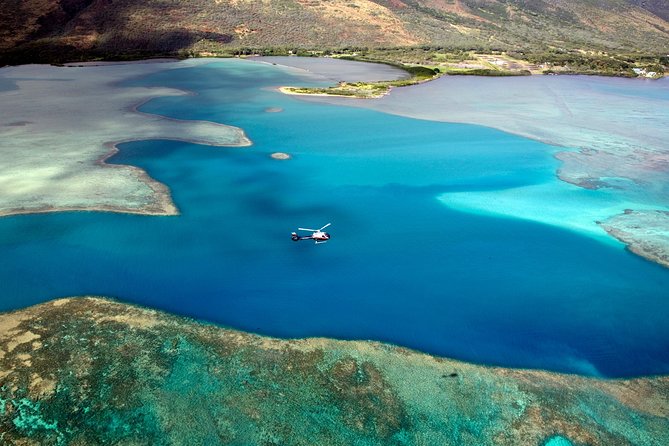
Then the route shifts to a calmer kind of scenery. You’ll fly past the Molokai fringing coral reef and the majestic ancient fishpond areas on the southern coast. The fishponds in this part of the route are described as being built roughly 800 years ago, which turns the view from pretty to meaningful.
From the air, fishponds have a geometry that’s hard to spot from the ground. You can see how they sit against the coastline and how water and land interact. It’s one of those “I get it now” moments, where the sight makes the history feel real.
If you’re the type who likes travel that connects nature with human effort, this part will probably stick with you longer than the waterfalls. The reef and fishpond view is less about spectacle and more about texture—details you’ll want to study in your photos later.
The Pailolo Channel Crossing: Between-World Views
The Pailolo Channel segment is one of the itinerary’s smart moves. Flying between islands gives you a sense of scale that you miss on a boat or in a car: you see the open water, the island boundaries, and the way weather and light shift across the channel.
This is also where you’ll get a “trip into the map” feeling. As the pilot points out island features and coastline shapes, you start recognizing the islands as a connected system rather than two separate stops. It’s a nice reset after the intensity of Molokai’s cliffs and falls.
If you’re prone to motion sensitivity, this is the time to stay prepared. Helicopters can feel different from airplanes, and wind can change the ride. It helps to keep your gaze steady on the horizon when possible and avoid frantic camera swings when you feel a bounce.
Back to Maui: Iao Valley State Park and West Maui Mountains
After Molokai, you’ll return to Maui for a new perspective, sweeping across the western side. This part of the flight is often where Maui surprises people, because you get the interior and the mountains without hiking up to them or fighting road congestion.
You’ll see Iao Valley State Park from above and get the view of lava rainforest texture in the way only aerial angles can show it. Then you’ll look toward the West Maui Mountains, which read like a layered wall of ridgelines when you’re high enough to see how the valleys slice down.
What I like about this section is pacing. It gives your eyes a chance to rest from waterfalls and jump back into terrain recognition. If your first island is about drama, this is about structure—understanding Maui as more than beaches.
Honokohau Falls, Haleakalā in the Distance, and the Smooth Finish
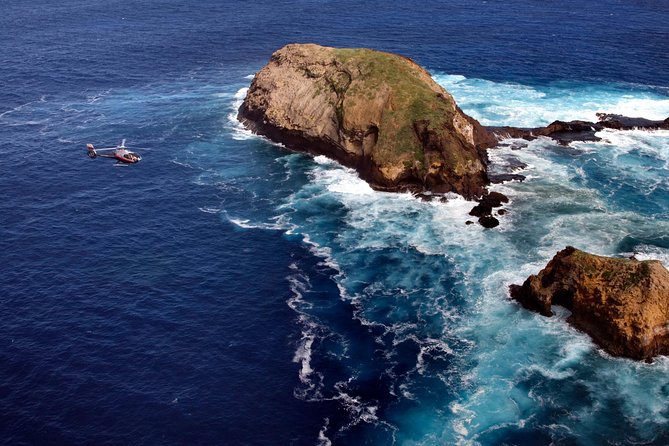
The last major sight is Maui’s tallest waterfall, Honokohau Falls. From the air, you get the full sense of drop and runoff that’s hard to appreciate at ground level, especially if fog or angle makes the base hard to see.
Then, keep an eye on the horizon. You may spot Haleakalā in the distance, depending on clouds and visibility, and the pilot usually calls it out so you know what you’re looking at. Those final minutes can feel almost too short—like your brain keeps asking for one more turn.
The flight ends back at the heliport in Kahului. If you’re the type to rush through souvenirs and photos, don’t. Give yourself a few minutes to review images and note what you were seeing. In a helicopter tour, your photos are the only “proof” of the route you can revisit later.
What You’re Paying For at About $375
At around $375.64 per person, this isn’t a budget activity. The value comes from what you can access only by air: the world’s tallest sea cliffs view, Kahiwa Falls angles, Halawa Valley structure, ancient fishpond areas, plus Maui’s Iao and Honokohau Falls—all in one continuous flight.
Try comparing this to doing it by car and foot. Roads can get you to some viewpoints, but you won’t see the cliff faces and valley cuts from the same perspective, and you won’t get the between-islands Pailolo Channel view in a way that feels complete.
If you’re celebrating something, this is the kind of experience that earns its place in a trip itinerary. Many people also mention feeling safe and supported by their pilot, which matters because comfort on a helicopter is not just physical—it’s mental. You’ll also have live narration, which turns a “sightseeing ride” into something closer to guided interpretation.
Comfort Tips That Make the Flight Easier
A helicopter is short, but it’s still a small space. I suggest you dress for quick changes in breeze and wear comfortable clothing plus shoes. Bring sunglasses, because glare on water and pale rock can be intense when you’re at the right angle.
For motion sensitivity, plan ahead. Some people like to take Dramamine about an hour before, and it can help if you get queasy in moving vehicles. If you’re pregnant, the tour says to consult a doctor if you’re in your last trimester.
Food and drink rules are simple: only bottled water is allowed on board. Don’t plan on snacks unless you’re provided at the terminal for your specific option. Also note that service animals are not permitted on these flights.
Finally, take advantage of the photo opportunities. The tour includes a picture taken with the helicopter and pilot before departure, and after that you can shoot as many photos as you want.
Who Should Book This (and Who Might Want a Different Option)
This tour is a strong fit if you want to see both islands without turning your vacation into a logistics project. You’ll love it if you’re into aerial geography, waterfalls, and features you can’t reach easily by road.
It’s also a good choice if you like small-group experiences. With up to 7 travelers, you’ll usually feel like the flight is about your group, not a parade. Plus, many flights are described as smooth and well-paced, with pilots adjusting the helicopter so people can see key points.
If you need guaranteed seating next to your group, be aware the operator assigns seats after check-in based on weight and balance. If you’re extremely sensitive to motion, or you want a slower pace with time on the ground, you might prefer a mix of driving viewpoints and one longer boat or hike day.
Should You Book the Molokai and Maui Helicopter Tour?
I’d book this if you’re aiming for maximum scenery per minute, especially the combination of sea cliffs, Kahiwa Falls, Halawa Valley, ancient fishpond country, and Maui’s Iao and Honokohau Falls in one shot. It’s pricey, but it’s built around access you just can’t replicate from land.
Skip it only if the paperwork and weight-and-seat rules would be a hassle for your group, or if weather dependence would be a problem for your schedule. If you can be flexible and you’re ready for a short, high-impact flight, this tour is one of the most efficient ways to understand why people fall for Hawaiʻi from the air.
FAQ
How long is the Molokai and Maui deluxe helicopter tour?
The ride time is about 55 minutes.
Where does the tour start and end?
It starts at the Kahului, HI heliport and ends back at the same meeting point.
What aircraft does Maverick Helicopters use for this tour?
The flights use EC130 helicopters by Airbus Helicopters.
Do I need photo ID to fly if I’m 18 or older?
Yes. You must show an original, government-issued photo ID (like a REAL-ID compliant driver’s license or passport) at check-in. Photocopies and digital IDs are not accepted.
What is the weight requirement for passengers?
The tour lists a total weight per passenger limit of 275 lbs. If you weigh over 275 lbs, you may be required to purchase an additional seat on the day of the tour.
Can children fly on this tour?
Children under age 2 can fly as lap children with valid paperwork and fly at no cost. Children 16 and under require an adult to accompany them.
Are service animals allowed?
No, service animals are not permitted on any of the helicopter flights.
Can I bring food or drinks on board?
Only bottled water is permitted on the helicopter.
What happens if weather is bad?
This experience requires good weather. If it’s canceled due to poor weather, you’ll be offered a different date or a full refund.
More Tours in Maui
- Maui Pineapple Farm Tour in Haliimaile
★ 5.0 · 2,855 reviews - Small-Group Road to Hana Adventure Tour with Pickup & Lunch
★ 5.0 · 2,637 reviews - Maui Eco-Raft Tour: Eye-Level Whale or Dolphin Watching – Lahaina
★ 5.0 · 2,482 reviews - Road to Hana Adventure Maui Tour with Lunch
★ 5.0 · 1,832 reviews - From Maalaea: Whale Watching Tour Aboard the Quicksilver
★ 4.5 · 1,461 reviews
More Tour Reviews in Maui
- Maui Pineapple Farm Tour in Haliimaile
★ 5.0 · 2,855 reviews - Small-Group Road to Hana Adventure Tour with Pickup & Lunch
★ 5.0 · 2,637 reviews - Maui Eco-Raft Tour: Eye-Level Whale or Dolphin Watching – Lahaina
★ 5.0 · 2,482 reviews - Maui Snorkeling Adventure to Molokini and Turtle Town
★ 4.5 · 2,221 reviews - Maui: Haleakala Sunrise Spectacular with Local Breakfast
★ 4.5 · 2,155 reviews
Maui From the Air
- Maui: Road to Hana Luxury Limo-Van Tour with Helicopter Flight
★ 5.0 · 762 reviews - West Maui and Molokai Special 45-Minute Helicopter Tour
★ 5.0 · 759 reviews - Doors Off West Maui and Molokai 45 minute Helicopter Tour
★ 5.0 · 487 reviews - Maui: Road to Hana Helicopter & Waterfall Tour with Landing
★ 4.9 · 277 reviews - Luxury Helicopter Experience with Hana Rainforest Landing
★ 5.0 · 274 reviews
More of Maui we have reviewed, from the crater to the coast



Maui Helicopter Tours, compared.
 ★ 5.0Road to Hana Luxury Limo-Van Tour with Helicopter FlightFrom $599762 reviews
 ★ 5.0West Maui and Molokai Special 45-Minute Helicopter TourFrom $332759 reviews
 ★ 5.0Doors Off West Maui and Molokai 45 minute Helicopter TourFrom $388487 reviews
 ★ 4.9Road to Hana Helicopter & Waterfall Tour with LandingFrom $329277 reviews
 ★ 5.0Luxury Helicopter Experience with Hana Rainforest LandingFrom $341274 reviews
 ★ 4.5Complete Island 60-Minute Helicopter TourFrom $443194 reviews
 ★ 4.5Hana Rainforest and Haleakala Crater Helicopter TourFrom $332146 reviews
 ★ 5.0Oceanfront Landing 75-Minute Event Helicopter TourFrom $40479 reviews
Browse the lists this tour appears in