
Reviewed · TOURS
Stargazing Tour in Kapalua
Look up. Maui’s night sky is ready.
I love the Schmidt-Cassegrain telescope experience here because it turns fuzzy dots into real, specific objects, and it’s handled with care rather than rushed. I also like the dark beach setting in Kapalua, where you can actually see a lot with your own eyes before the telescope even comes out. The main trade-off is weather and pacing: the tour depends on conditions, and on some nights cloud cover can limit what you’ll get, with some guests feeling the cultural context could go deeper.
You’re not stuck in a huge crowd either. This runs as a small-group tour (max 12), with seating set up on a large sandmat, so it feels more like a guided evening lesson than a bus-stop attraction. You’ll also be on a beach area with limited light, so you do need to be steady on your feet.
That leads to the one practical caution. The tour isn’t a good fit if you have walking limitations (the info specifically calls out issues like knee surgery or injuries), since you may need to handle uneven stairs with limited lighting.
In This Review
- Key things I’d pay attention to
- Kapalua at night: why this spot works
- The 1-hour sky lesson: naked-eye astronomy to telescope views
- Schmidt-Cassegrain telescope time: how to make your turn count
- Hawaiian and Polynesian celestial traditions: what you’ll get
- Group size and pacing: a calm evening, not a cram session
- Price and value: is $96 per person fair for Maui stargazing?
- Practical tips before you go (so clouds don’t ruin your night)
- Who should book this Kapalua stargazing tour
- Should you book Stargaze West Maui in Kapalua?
- FAQ
- How long is the stargazing tour in Kapalua?
- How much does the tour cost?
- What language is the tour offered in?
- Is there a group limit?
- What’s included in the tour?
- What should I bring or plan for since it’s not included?
- Where does the tour start?
- Is it okay to bring a service animal?
- What happens if the weather is bad?
Key things I’d pay attention to
- Dark-sky beach in Kapalua: better visibility for planets, stars, and the moon
- Schmidt-Cassegrain telescope: designed for crisp views, not just “look and guess”
- Small group size (max 12): more personal attention during the telescope turn-taking
- Naked-eye + guided pointers: you learn where to look before the scope
- Hawaiian celestial traditions: astronomy explanations with sky stories
- Weather-dependent experience: clouds can affect what’s visible
Still weighing up how to spend a day on the Valley Isle? Here are more Maui tours we have been out on.
- Maui Pineapple Farm Tour in Haliimaile★ 5.0 · 2,855 reviews
- Small-Group Road to Hana Adventure Tour with Pickup & Lunch★ 5.0 · 2,637 reviews
- Maui Eco-Raft Tour: Eye-Level Whale or Dolphin Watching – Lahaina★ 5.0 · 2,482 reviews
- Maui Snorkeling Adventure to Molokini and Turtle Town★ 4.5 · 2,221 reviews
Kapalua at night: why this spot works
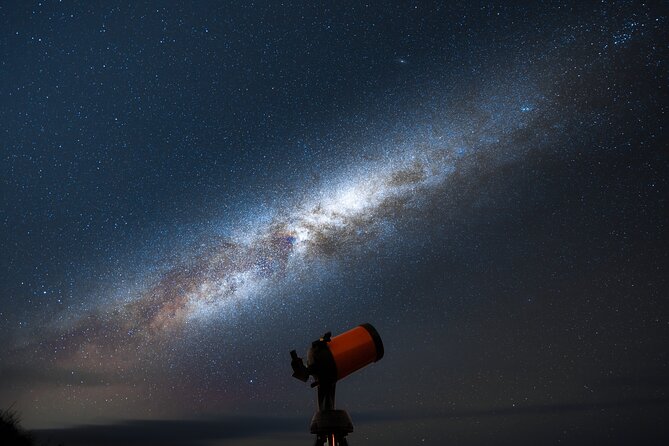
Kapalua’s West Maui setting is all about one thing: darkness. The meeting point is at Stargaze West Maui, 12 Kapalua Pl, Lahaina, and the experience runs back to the same location after the session. The key is that you’re moving away from the stronger lights you see elsewhere, so the sky looks bigger fast.
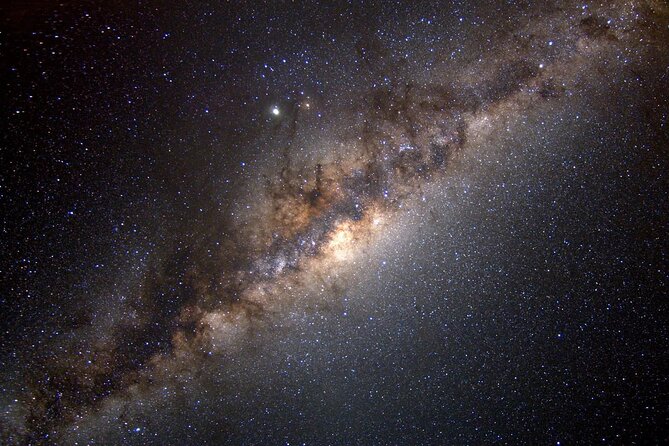
That matters because stargazing is partly science and partly sight. With the naked eye, you’ll start to recognize patterns and brighter planets, and you’ll notice how much your eyes can adjust when there’s less glare. If you’ve ever looked up and thought everything was just “a few stars,” this kind of location is what changes that feeling.
The 1-hour sky lesson: naked-eye astronomy to telescope views
This is an approx. 1-hour guided tour, and it’s built to cover a lot without turning into a lecture marathon. The experience is described as a mix of naked-eye sky observing and telescope time, guided by a professional.
Here’s the flow you should expect:
First, you’ll get help orienting yourself in the sky. The guide uses a laser pointer (one review specifically mentions a strong pointer that helps you follow constellations up high), which is a simple trick that makes a huge difference. Instead of staring at random brightness, you’re given targets and context.
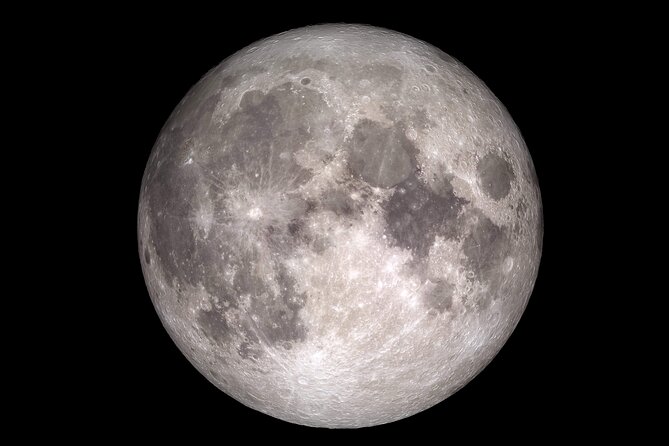
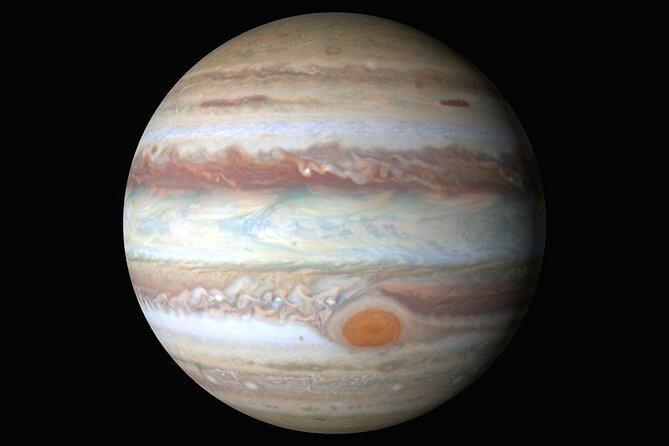
Next comes the telescope segment. The equipment is a Schmidt-Cassegrain telescope, which is the kind of scope that’s meant for sharp views of celestial objects. This is where you can go beyond “that’s a star” and start seeing more specific things like planets and the moon. Reviews mention multiple different telescope views in a short window, and they also note that time at the scope is limited by how many people are in the group—so you want to show up ready to focus.
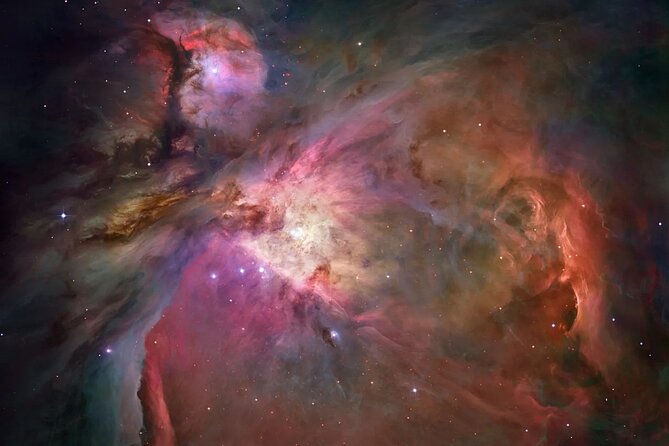
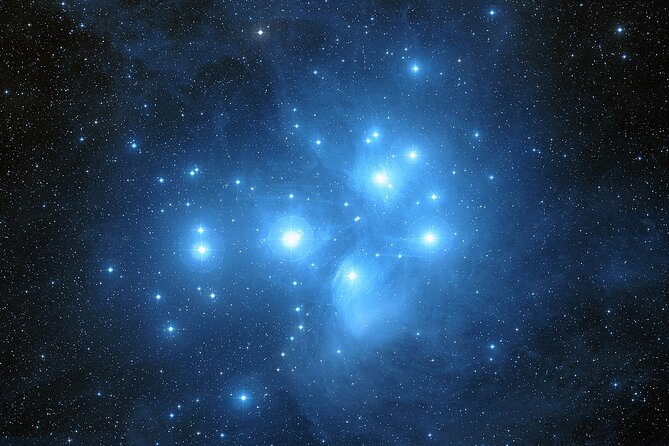
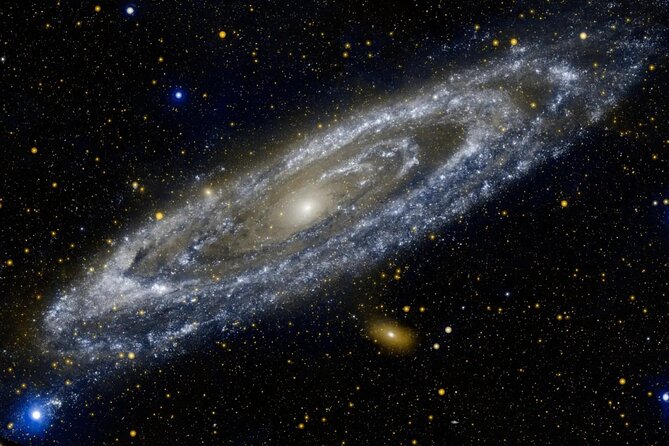
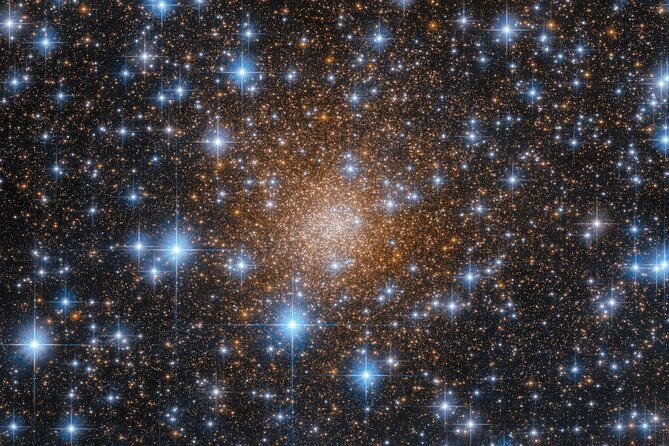
You’ll also cover a mix of object types: planets, stars, star clusters, nebulae, and galaxies are all part of what the tour is set up to explain. Along with that, the tour includes history and mythology tied to the night sky, with a specific focus on Hawaiian celestial traditions.
Schmidt-Cassegrain telescope time: how to make your turn count
Telescope time is the big draw, and it’s also the part that runs on a tight schedule. The tour has a maximum of 12 travelers, which helps, but the reality is that telescope sessions still have turn-taking. One review notes that the telescope is excellent but that time at the telescope is limited by the number of people, which matches how these setups usually work.
So how do you get the most out of it?
- Pay attention during the naked-eye portion. If the guide tells you what you’re about to see, the telescope views will feel more “connected” instead of random.
- When you get to the scope, take one slow look before you rush. You want to let your eyes adjust to the view.
- Ask questions if the guide offers a moment. The tour is designed to be educational, and the best questions are usually about what you’re seeing right then.
One review highlights Saturn as the most memorable sight, including views that showed the rings. If that’s on your wish list, aim for an evening when clouds aren’t going to steal the view.
Hawaiian and Polynesian celestial traditions: what you’ll get
This is not strictly a technical astronomy class. The tour is described as including Hawaiian celestial traditions and is suitable for all astronomy knowledge levels. That’s a thoughtful promise, because stargazing can be intimidating if you feel behind on the names and the facts.
You should expect a blend: sky science (planets, stars, and the way things behave) plus cultural stories connected to the night sky. Reviews back up that the guide explains the science clearly and shares stories without making it sound like a dry lecture.
That said, one review is honest about a disappointment: the cultural depth felt lighter than they wanted, especially around how Native Hawaiians and Polynesians used stars for navigation and more detailed constellations. So here’s the practical way to think about it: you’ll get cultural context, but this tour’s core design is still an astronomy-focused stargazing evening. If you want a navigation-nerd level of cultural detail, you might want to add extra reading or another experience that’s more specialized.

Group size and pacing: a calm evening, not a cram session
With a max of 12 travelers, this has enough space for questions and for the guide to redirect attention when conditions change. You’re not sharing the sky with a hundred people waving phones like flashlights.
Seating is also handled for comfort. A large sandmat is included, which is more than a nice detail. Beach stargazing works better when you’re not fighting an uncomfortable sit for an hour. And the guide’s pointing system (again, the laser pointer shows up in reviews) helps keep everyone oriented.
The pacing is tight, because you’re covering the visible sky plus telescope targets within about an hour. Reviews mention they saw around five different views and that telescope time is limited, so treat this as a “best-of” stargazing tour rather than an in-depth night-sky seminar.
Price and value: is $96 per person fair for Maui stargazing?
At $96 per person for about an hour, you’re paying for three things:
- A guided experience (a real human explaining what you’re looking at)
- Telescope access (specifically a Schmidt-Cassegrain scope)
- A dark-sky setting plus time actually spent observing
If you’ve ever tried to do stargazing on your own, you’ll know the frustrating part: it’s not just “seeing stars,” it’s knowing what they are and where to look. Paying for a guide turns the night sky into something you can learn from immediately. Paying for a telescope means you get views that are hard to replicate with casual gear.
Could the cultural portion feel uneven for some people? Yes, as noted earlier. But the star-and-planet astronomy value looks strong, and the guide quality is a repeated theme in the best feedback.
Practical tips before you go (so clouds don’t ruin your night)
A few things can make or break stargazing anywhere, and Maui’s not immune.
- Go prepared for cool beach conditions. Even when daytime Maui feels warm, night air can feel different once you’re sitting still on sand.
- Bring layers, even if the day is sunny. The tour info notes that inclement weather gear isn’t included, and the experience requires good weather.
- If clouds roll in, be flexible. Weather can impact visibility, and the tour is weather-dependent. You may be offered another date or a full refund if it’s canceled due to poor weather.
- Plan for what’s not included: transportation, food and drink, public bathrooms, and a paid parking fee. Also, inclement weather gear isn’t provided.
- Use the mobile ticket. Confirmation is received at booking, and the ticket is mobile.
If you’re bringing kids: children under 6 aren’t included in the tour, so plan accordingly.
And one more practical note: service animals are allowed, which is helpful if you need that.
Who should book this Kapalua stargazing tour
This tour is a good match if you want:
- A short, focused Maui evening activity (about one hour)
- A real telescope view, not just star spotting
- A guide who points out what you’re looking at using science plus sky stories
- A small-group experience (max 12) with seating provided
It’s probably not the best fit if you have walking limitations. The tour info specifically mentions uneven stairs with limited lighting and calls out knee surgery or similar injuries.
If you’re an astronomy beginner, you’ll still get something out of it. If you already know a bit, the telescope and the structured targets can add clarity fast.
Should you book Stargaze West Maui in Kapalua?
I’d book it if you want a “first-night in Maui” type of experience that feels relaxing and educational at the same time. The dark beach location plus a Schmidt-Cassegrain telescope is a strong combo, and the guide-led approach helps you actually understand what’s overhead instead of just watching darkness happen.
Skip it or think twice if cultural depth is your top priority, or if weather variability would make you upset. This is a good stargazing tour, not a full-time navigation and Polynesian astronomy workshop. But for most people looking for a smart, calm night sky session on West Maui, it’s an easy yes.
FAQ
How long is the stargazing tour in Kapalua?
It’s listed as approx. 1 hour.
How much does the tour cost?
The price is $96.00 per person.
What language is the tour offered in?
The tour is offered in English.
Is there a group limit?
Yes. The maximum is 12 travelers.
What’s included in the tour?
You get telescope views, informative knowledge about the cosmos, a guide, and a large sandmat for seating.
What should I bring or plan for since it’s not included?
Transportation to the starting location, food and drink, public bathrooms, a paid parking fee, and inclement weather gear are not included.
Where does the tour start?
The tour starts at Stargaze West Maui, 12 Kapalua Pl, Lahaina, HI 96761, USA, and it ends back at the meeting point.
Is it okay to bring a service animal?
Yes. Service animals are allowed.
What happens if the weather is bad?
The experience requires good weather. If it’s canceled due to poor weather, you’ll be offered a different date or a full refund.
More Tours in Maui
- Maui Pineapple Farm Tour in Haliimaile
★ 5.0 · 2,855 reviews - Small-Group Road to Hana Adventure Tour with Pickup & Lunch
★ 5.0 · 2,637 reviews - Maui Eco-Raft Tour: Eye-Level Whale or Dolphin Watching – Lahaina
★ 5.0 · 2,482 reviews - Road to Hana Adventure Maui Tour with Lunch
★ 5.0 · 1,832 reviews - From Maalaea: Whale Watching Tour Aboard the Quicksilver
★ 4.5 · 1,461 reviews
More Tour Reviews in Maui
- Maui Pineapple Farm Tour in Haliimaile
★ 5.0 · 2,855 reviews - Small-Group Road to Hana Adventure Tour with Pickup & Lunch
★ 5.0 · 2,637 reviews - Maui Eco-Raft Tour: Eye-Level Whale or Dolphin Watching – Lahaina
★ 5.0 · 2,482 reviews - Maui Snorkeling Adventure to Molokini and Turtle Town
★ 4.5 · 2,221 reviews - Maui: Haleakala Sunrise Spectacular with Local Breakfast
★ 4.5 · 2,155 reviews
More of Maui we have reviewed, from the crater to the coast



Tours, compared.
 ★ 5.0Maui Pineapple Farm Tour in HaliimaileFrom $992,855 reviews
 ★ 5.0Small-Group Road to Hana Adventure Tour with Pickup & LunchFrom $2092,637 reviews
 ★ 5.0Maui Eco-Raft Tour: Eye-Level Whale or Dolphin Watching – LahainaFrom $852,482 reviews
 ★ 5.0Road to Hana Adventure Maui Tour with LunchFrom $2761,832 reviews
 ★ 4.5From Maalaea: Whale Watching Tour Aboard the QuicksilverFrom $491,461 reviews
 ★ 5.0Lahaina: Maui Ku’ia Estate Guided Cacao Farm Tour and TastingFrom $991,103 reviews
 ★ 5.0VIP Private Road to Hana Tour with Pick UpFrom $6791,068 reviews
 ★ 4.5Small Group Road to Hāna Tour 6 to 8 passengersFrom $2501,012 reviews