
Reviewed · MAUI SELF-GUIDED AUDIO TOURS
Self-Guided Audio Driving Tour in Maui
Maui feels huge, but this tour helps you drive it like it is manageable. You get location-based GPS audio that plays as you pass highlights, with stories and directions timed to your route. It is also offline, so once you download, you can focus on the road instead of your signal bars.
I love the value of $29.99 per group (up to 8 people), because one purchase covers the whole car. I also love the freedom of a no-time-limit, lifetime-use format, so you can go slow, swap stops, and come back later. The main drawback to plan for: several of the biggest sites require extra fees or reservations (National Park entry and some timed spots), and those are not included.
In This Review
- Key highlights I’d plan around
- Price and what you actually get for it
- How the GPS audio tour works in your car
- Planning your Maui route: use the tour like a choose-your-own-day menu
- Haleakalā: crater views, Red Hill, and what fees to expect
- Kipahulu and Ohe’o Gulch: Seven Sacred Pools and the Pipiwai Trail gateway
- Pipiwai Trail reality check
- Wai’anapanapa State Park: black sand, blowhole, and reservation needs
- The Road to Hana stretch: stops that work even when your day changes
- Waterfalls and jungle-road breaks
- Lava and caves
- Arboretum and culture-by-the-road
- Beaches with real safety context
- The Hana-to-Kihei timing tool: where whales might show up
- Iao Valley, Makawao, and cultural stops that slow you down (in a good way)
- Iao Valley State Monument
- Makawao: Paniolo town energy
- Kepaniwai Park & Heritage Gardens
- South and West Maui beaches: where the tour helps you pick your vibe
- Kihei
- Kahanu Garden and Pi’ilanihale Heiau
- Kamaole Beach Park I
- La Perouse Bay and the “go all the way” option
- D.T. Fleming Beach Park and Makena
- Wailea, Honolua Bay, and reef focus
- Lahaina and Ka’anapali
- Nakalele Blowhole
- Practical driving tips so this tour feels easy, not stressful
- Should you book this Maui self-guided audio drive?
Key highlights I’d plan around

- GPS-triggered stories and directions that autoplay when you reach each area
- Works offline after you download, so you can drive without cell service anxiety
- A “big island day” feel without a rushed group schedule, since you control stops
- Haleakalā and Road to Hana coverage with practical hike and viewpoint context
- Whale watching focus at Papawai Scenic Lookout during November through April
- One booking for the whole vehicle (up to 8), which makes it cheaper than most guided tours
More self-guided audio drives around Maui
- Shaka Guide Maui “Classic” Road to Hana Audio Driving Tour★ 4.5 · 210 reviews
- Ultimate Self-Driving Audio Tour of Road to Hana, Maui★ 4.5 · 145 reviews
- Self-Guided Audio Driving Tour in Road To Hana★ 4.5 · 87 reviews
- Maui Adventure Bundle: 6 Epic Audio Driving Tours, Including Road to Hana★ 4.5 · 81 reviews
Price and what you actually get for it
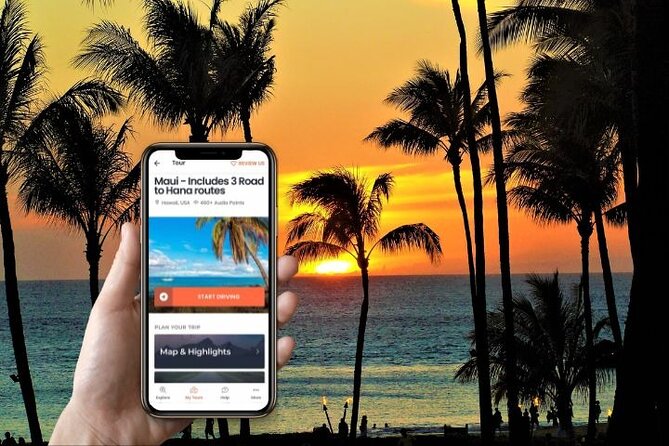
At $29.99 per group for up to 8 people, this is built for people who want Maui’s top sights without paying per person for a van tour. The “per group” pricing is the real math win here, especially if you have a couple of friends or family sharing one rental car.
What you’re buying is not just commentary. The GuideAlong experience includes 465+ audio points, plus suggested trip planners in-app (web and PDF too). That matters on Maui, because distances, roads, and weather can make or break your day. You can use the planners for half-day or multi-day ideas, or you can just freestyle and let the audio tell you what to look for as you drive.
One more value point: the tour is a buy once, use forever setup with free updates, and there is no expiration. If you get rained out one day, you can keep the tour for a future Maui trip and adjust the route later.
How the GPS audio tour works in your car
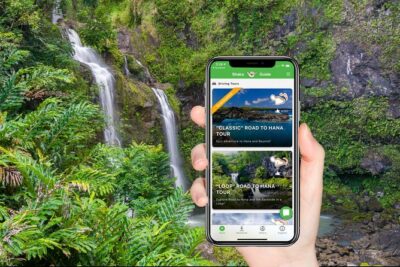
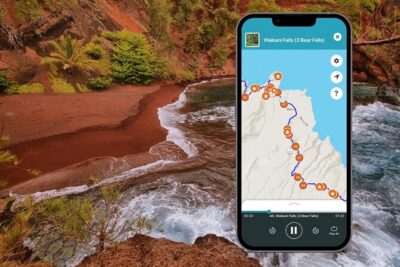
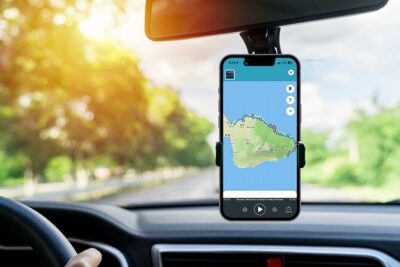
This is a driving tour, so the whole system is built around your phone’s GPS chip. Once you start the tour in the GuideAlong app, audio prompts kick in automatically based on where you are. You do not need to hit play at each stop.
Setup is simple but important:
- After booking, you get an email/text telling you to download and redeem your voucher code.
- Download the tour in the GuideAlong app under My Tours using WiFi or cellular data.
- Then drive and let the audio take over, even without internet.
A small practical note from real-world use: audio is designed to be seamless even when you pause. If you ever need to re-start, go back into My Tours and select your tour; GPS should continue where you left off.
Also, consider packing a USB/c car charger. One downside of driving all day with your phone running GPS and audio is heat and battery drain, and a charger makes the day much easier.
Finally, you should be aware that full turn-by-turn integration with Apple CarPlay is not the current focus. One user used their own navigation (like Waze on CarPlay) and relied on the app’s audio instructions without enabling CarPlay directions. That’s a good workable approach.
Planning your Maui route: use the tour like a choose-your-own-day menu
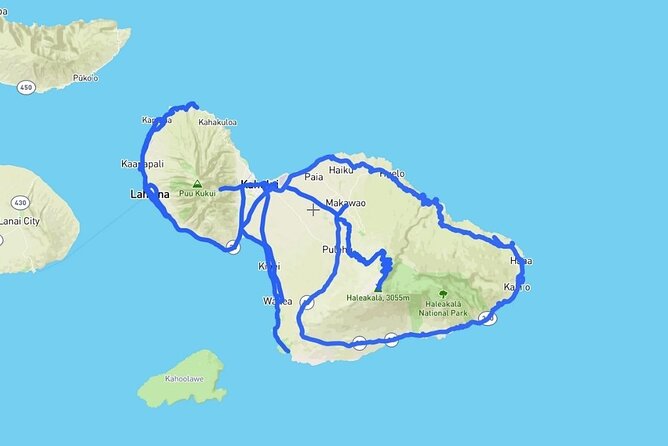
The tour’s duration is listed as 8 to 16 hours, but in practice that just means you can build a full-day route or a longer multi-stop loop. Since the tour includes both Haleakalā/Kipahulu and the Road to Hana corridor, plus South and West Maui beaches, you’ll likely want to split it into days.
Here is the easiest way to think about it:
- Day 1: Haleakalā + Kipahulu (Ohe’o Gulch) + Wai’anapanapa
- Day 2: Road to Hana highlights (falls, arboretum, beaches) and optional hikes like Pipiwai
- Day 3 or partial day: Iao Valley + Central Maui + South/West Maui beaches (Kihei, Wailea, Honolua, Lahaina, Ka’anapali) and blowhole views
You can also just pick a single section. The audio is location-based, so you do not have to “finish everything” to get value.
Haleakalā: crater views, Red Hill, and what fees to expect
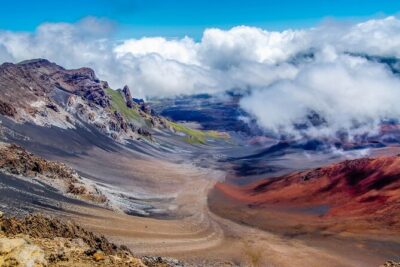
Haleakalā is the kind of stop that turns a road trip into a memory. You drive up to the summit Visitor Center at about 9,700 feet, where the terrain looks moon-like yet surprisingly colorful. From there, the tour points you to viewpoints that let you see right into the vast crater area, with smaller cinder cones scattered around.
Then you climb another short drive to Red Hill at 10,023 feet, where the views spread out in every direction. If you want to stretch your legs beyond viewpoints, the summit area also has trails, and the audio gives you context for what you’re looking at before you commit to hiking.
The big planning catch: Haleakalā requires National Park entry if you do not already have a pass. Also, reservations are required for sunrise, but you can visit at other times without a reservation. Even if you skip sunrise, you should still budget time to handle weather changes at elevation and the fact that you might want multiple viewpoint stops.
There’s also a stop called Kalahaku Overlook, placed along the climb, with views both into the crater erosion side and outward across Maui. It’s the kind of “quick pull-off” stop that helps the crater make sense before you get to the highest points.
A few more Maui experiences we would happily do again



Kipahulu and Ohe’o Gulch: Seven Sacred Pools and the Pipiwai Trail gateway
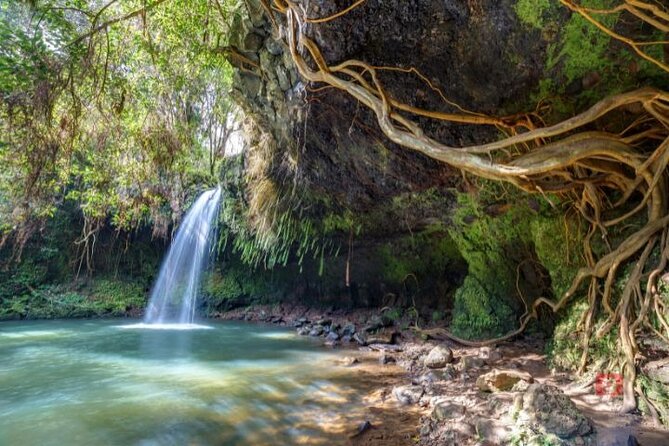
If Haleakalā is the big sky moment, Kipahulu is the cool-water, ocean-at-the-base-of-a-volcano moment. At Ohe’o Gulch (Kipahulu), you reach the ocean-level extension of Haleakalā National Park, and you get that dramatic mix of cliffs, surf, and freshwater.
The star here is the Oheo Pools, also called the Seven Sacred Pools. The key thing: swimming and wading can be opened or closed depending on conditions. That means you should check ahead when possible, and never assume the water access you saw last week is safe today.
Even when pools aren’t the plan, the gulch still delivers:
- short walks with ocean views
- trail access, including the Pipiwai Trail starting nearby
Because this area is within the National Park, you’ll need National Park entry if you do not have a pass.
Pipiwai Trail reality check
The Pipiwai Trail is one of the best hikes to know about on Maui. It’s a 4-mile loop with about 650 feet of climbing. It is moderate, but in hot conditions it can feel harder.
The audio helps you pace the day with realistic expectations:
- Plan on 2+ hours, depending on your fitness.
- You’ll see Makihiku Falls along the route.
- Many people go onward to Waimoku Falls, the farther highlight.
- Bamboo sections make the hike feel calm and shaded.
If you want a “hike but not a suffer-fest” day, the tour gives you the option to turn back at a good point if you need.
Wai’anapanapa State Park: black sand, blowhole, and reservation needs
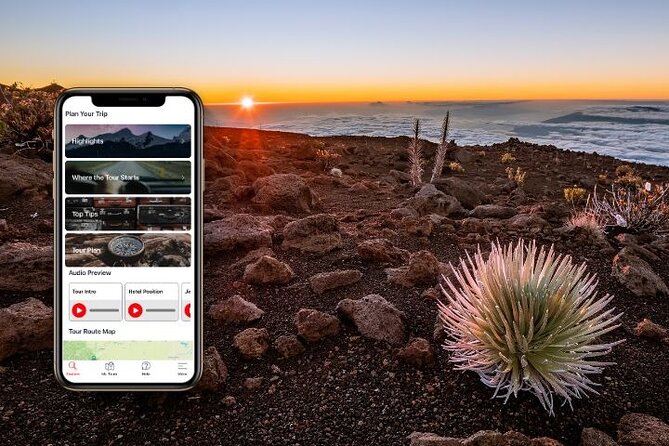
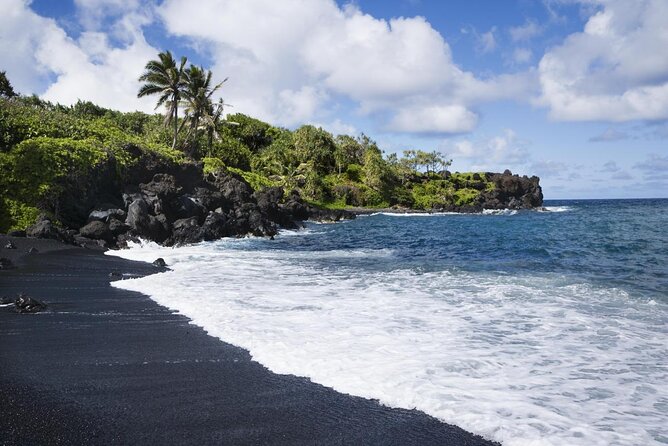
Wai’anapanapa State Park is a must-stop name on Maui for good reason. It’s home to Maui’s famous black sand beach, plus volcanic coastal features like a sea arch off shore and a blowhole.
This is also a place with Hawaiian legend, and the audio frames it in that cultural context, not just as a photo stop.
The practical warning: reservations are required for entry here, and the tour notes that timed entry/reservations are not included. So if Wai’anapanapa is on your list, treat it like a booked activity in your calendar, not an optional roadside pull-off.
The Road to Hana stretch: stops that work even when your day changes

The Road to Hana portion is where this tour really earns its keep. It helps you find the places people skip when they only follow a map.
Here are the highlights, in the order you’ll likely think about them:
Waterfalls and jungle-road breaks
- Twin Falls: usually one of the first places you’ll want to hike a bit. The route is about 1.5 miles and can be muddy, so decent footwear matters. There’s also a farmstand where you can grab a smoothie if you’re timing it right.
- Upper Waikani Falls: also called 3 Bears Falls. After heavy rain you get one big thick stream; with less water you’ll see three separate falls. It’s a good example of why Maui weather matters for what you experience.
- Wailua Falls: positioned between Hana and the Oheo Pools, and often considered one of the most picturesque stops. It is a classic “stop for photos, then decide how long you stay” kind of location.
Lava and caves
- Hana Lava Tube: a walk-in lava tube that’s described as Maui’s most accessible option. If you don’t want to go too far underground, you do not have to. It’s a fun change of pace from waterfalls and beach time.
Arboretum and culture-by-the-road
- Ke’anae Arboretum: a no-cost stop that moves fast enough for a quick break. You’ll see tropical plants and trees, including rainbow eucalyptus with bright bark, plus golden-stemmed bamboo and ginger.
- If you keep walking, you’ll reach areas linked to taro cultivation terraces created by ancient Hawaiians.
Beaches with real safety context
- Hamoa Beach: a crescent sand beach timed perfectly for a rest stop. Bathrooms and showers exist, but there are no lifeguards, so you keep a close eye on kids and be cautious even if the water looks calm.
- Koki Beach: a scenic pull-off that includes a view toward Alau Island and Hawaiian legend tied to Pele and Maui.
- Polo Beach: a strong bet for seeing sea turtles (honu), especially near the rocks at the north end. It’s in front of the Fairmont Kea Lani area, but it’s still a public beach.
The Hana-to-Kihei timing tool: where whales might show up
The audio also includes Papawai Scenic Lookout (Whale Lookout Point), which is especially relevant in November through April when humpback whales are in Maui waters. From an elevated spot, you might spot blowholes, fin slapping, and even breaching.
If you’re driving in whale season, this stop can turn an otherwise ordinary driving afternoon into something you remember.
Iao Valley, Makawao, and cultural stops that slow you down (in a good way)
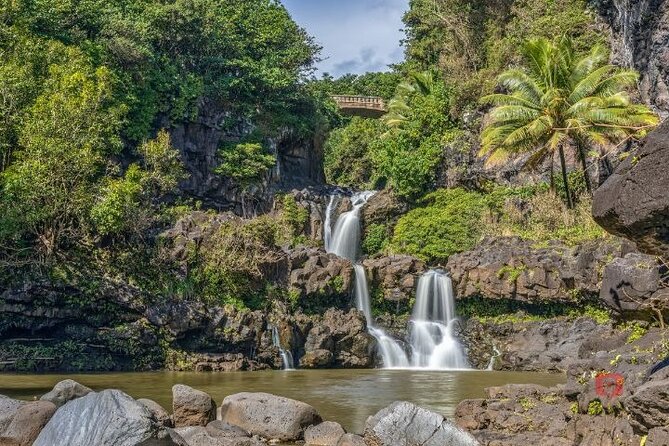
After Hana and Haleakalā, Maui can feel like nonstop driving. These stops help you shift gears.
Iao Valley State Monument
Iao Valley is known for Iao Needle, a granite spire remnant from when volcano activity shaped the region. The valley is also described as a wet place due to constant trade winds, and rain tends to show up often as afternoon showers that might start and stop quickly.
It’s a short visit, timed well if you want a “nature + meaning” stop without committing to a long hike.
Makawao: Paniolo town energy
Makawao is one of the last Paniolo towns in Hawaii. The tour explains that Paniolos are Hawaiian cowboys, taught horsemanship and cattle ranching by Mexican cowboys who were invited to help manage livestock issues. It’s an enjoyable place to wander galleries and find a meal after the heavier driving days.
Kepaniwai Park & Heritage Gardens
This stop focuses on ethnic diversity in Maui and Hawaii through park buildings and gardens that represent different cultural contributions to modern Maui. It’s a calmer, low-time stop where you can walk, read, and connect the dots between history and the present-day island.
South and West Maui beaches: where the tour helps you pick your vibe
Once you go south and west, the tour shifts into beach-hopping mode. The stops are mostly about knowing what each place is best for, not just that it has sand.
Kihei
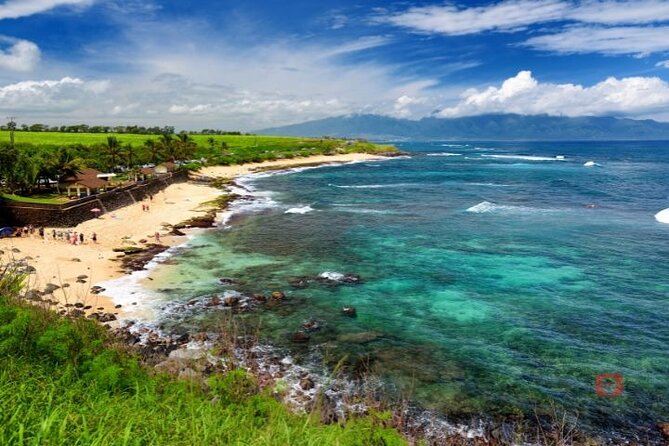
Kihei is Maui’s original resort area with long stretches of sandy beach and about 6 miles of coastline running through. The water is usually calm because it is on the protected side of the island, making it a good place for relaxed beach time. The audio also calls out beach parks and good shopping/dining along the strip, plus sunsets and ocean views toward Molokini and Kahoolawe.
Kahanu Garden and Pi’ilanihale Heiau
Kahanu Garden is a botanical stop tied tightly to culture. It sits in one of the largest native hala forests, and it includes plant collections from the Pacific Islands and lessons on how people and plants traveled via ancient voyaging canoes. The star is Pi’ilanihale Heiau, described as a massive lava-rock structure believed to be the largest ancient man-made structure in Polynesia.
The tour notes you’ll want about 2 hours for the recommended guided tour approach, or about 90 minutes to self-tour. That timing help is useful, because garden visits can balloon if you do not plan your pace.
Kamaole Beach Park I
Kamaole Beach Park I is a family-friendly option with snorkelling areas, restrooms, showers, grassy picnic space, and lifeguards. It is also a nice place to settle in for sunsets and watch for the green flash.
La Perouse Bay and the “go all the way” option
If you love pushing past the easy stops, La Perouse Bay is for you. It’s farther south past Kihei, Wailea, and Makena, with snorkelling bays and rocky coves. The coastline can be isolated, and the tour cautions you to pick snorkel spots where other snorkelers are, since getting in and out of the water can be tricky.
There’s also the Kings Trail through lava fields, but you need good footwear and sun protection because it is exposed.
D.T. Fleming Beach Park and Makena
- D.T. Fleming Beach Park: ironwood trees for shade and a beach that can be fun for boogie boards and bodysurfing. The tour warns about a wicked shore break, so it is not the place to underestimate conditions.
- Makena Beach: the big local-area choice. The tour highlights Big Beach (lifeguards) and Little Beach reached by a trail, plus the note that Little Beach is clothing-optional. It also mentions drum circles and fire-dancing through dusk on Sundays.
And in both places, the audio keeps you honest about ocean safety: watch waves and never turn your back to the ocean.
Wailea, Honolua Bay, and reef focus
- Wailea Beach: known for the best beachside walk and great turtle snorkeling opportunities in nearby rocky coves. It also connects to shops and boardwalks.
- Honolua Bay: protected turquoise water with exceptional snorkelling and diving, plus lots of fish and coral reef formations. The shoreline is rocky on some sides, and the audio points out that calm ocean conditions make snorkeling around the point better. It also notes Honolua is a major surfing spot where the Billabong Pro is held in December, and you can watch from rocky cliffs.
Lahaina and Ka’anapali
- Lahaina: this is the historic heart, tied to early unified Hawaii under King Kamehameha the Great and later port activity serving whaling and trading ships. The tour suggests exploring on foot to see heritage buildings and sites, plus market stalls under the banyan tree.
- Ka’anapali Beach: the classic golden-sand stretch for families, with snorkelling, boardwalk walking, and sunset time. The audio also mentions a nightly diving ceremony with diver light tiki torches and dives from Puu Kekaa or Black Rock.
Nakalele Blowhole
Near the top of West Maui you reach Nakalele Blowhole. There’s a short rocky trail down (about 10 minutes), plus views from the higher parking area if you want the best-of-without-the-walk option.
The safety emphasis here is simple and consistent with Maui: stay back from the blowhole chamber and never turn your back to the ocean and waves.
Practical driving tips so this tour feels easy, not stressful
A GPS audio tour sounds simple, but Maui driving has a few realities. Here is how to make it smooth:
- Download before you leave home
You only want to fight WiFi once. After that, you’re set offline.
- Charge your phone and secure it
You’re using GPS nonstop, and heat can build fast. A car charger and stable mount help.
- Plan where you’ll park and how you’ll time hikes
The tour’s hike time notes are there for a reason. For example, Pipiwai is described as a 2+ hour hike, so arriving by early afternoon gives you time to hike and still drive back comfortably.
- Budget for extra entry fees and reservations
National Park entry is required for places like Oheo Gulch and Haleakalā if you do not have a pass. Wai’anapanapa requires reservations. These add cost and planning, but they also protect the sites.
- Use your own navigation if you want
The tour gives audio instructions, but you can still run Waze or Apple Maps in the background. One user reported that worked well.
Should you book this Maui self-guided audio drive?
I think you should book if you want Maui highlights without buying a guided van package. The offline GPS autoplay and the one-price-per-group setup make it a strong choice for families, couples, and small friend groups sharing a rental car. I also like that the audio points out the practical realities: mud on trails, ocean conditions at beaches, and where reservations or park entry matter.
I’d hesitate if your plan depends on squeezing in reservation-only stops with last-minute timing, or if you dislike phone-based audio and prefer a strict printed itinerary. This tour rewards flexible days and phone-in-the-car confidence.
If you want an easy way to drive Maui with meaning, not just miles, this is a smart buy.
More Tours in Maui
- Maui Pineapple Farm Tour in Haliimaile
★ 5.0 · 2,855 reviews - Small-Group Road to Hana Adventure Tour with Pickup & Lunch
★ 5.0 · 2,637 reviews - Maui Eco-Raft Tour: Eye-Level Whale or Dolphin Watching – Lahaina
★ 5.0 · 2,482 reviews - Road to Hana Adventure Maui Tour with Lunch
★ 5.0 · 1,832 reviews - From Maalaea: Whale Watching Tour Aboard the Quicksilver
★ 4.5 · 1,461 reviews
More Tour Reviews in Maui
- Maui Pineapple Farm Tour in Haliimaile
★ 5.0 · 2,855 reviews - Small-Group Road to Hana Adventure Tour with Pickup & Lunch
★ 5.0 · 2,637 reviews - Maui Eco-Raft Tour: Eye-Level Whale or Dolphin Watching – Lahaina
★ 5.0 · 2,482 reviews - Maui Snorkeling Adventure to Molokini and Turtle Town
★ 4.5 · 2,221 reviews - Maui: Haleakala Sunrise Spectacular with Local Breakfast
★ 4.5 · 2,155 reviews
Drive Maui at Your Own Pace
- Shaka Guide Maui “Classic” Road to Hana Audio Driving Tour
★ 4.5 · 210 reviews - Ultimate Self-Driving Audio Tour of Road to Hana, Maui
★ 4.5 · 145 reviews - Self-Guided Audio Driving Tour in Road To Hana
★ 4.5 · 87 reviews - Maui Adventure Bundle: 6 Epic Audio Driving Tours, Including Road to Hana
★ 4.5 · 81 reviews - Maui “Loop” Road To Hana Audio Driving Tour
★ 4.5 · 39 reviews
More of Maui we have reviewed, from the crater to the coast



Maui Self-Guided Audio Tours, compared.
 ★ 4.5Shaka Guide Maui “Classic” Road to Hana Audio Driving TourFrom $19210 reviews
 ★ 4.5Ultimate Self-Driving Audio Tour of Road to Hana, MauiFrom $16145 reviews
 ★ 4.5Self-Guided Audio Driving Tour in Road To HanaFrom $1987 reviews
 ★ 4.5Maui Adventure Bundle: 6 Epic Audio Driving Tours, Including Road to HanaFrom $2781 reviews
 ★ 4.5Maui “Loop” Road To Hana Audio Driving TourFrom $1539 reviews
 ★ 4.5Maui “Reverse” Road To Hana Audio Driving TourFrom $1514 reviews
 ★ 4.0West Maui Self-Guided Audio TourFrom $1514 reviews
 ★ 4.0Haleakala Sunset and Stargazing Audio TourFrom $1510 reviews
Browse the lists this tour appears in