
Reviewed · MAUI WATERFALL & RAINFOREST HIKES
Rappel Maui Waterfalls and Rainforest Cliffs
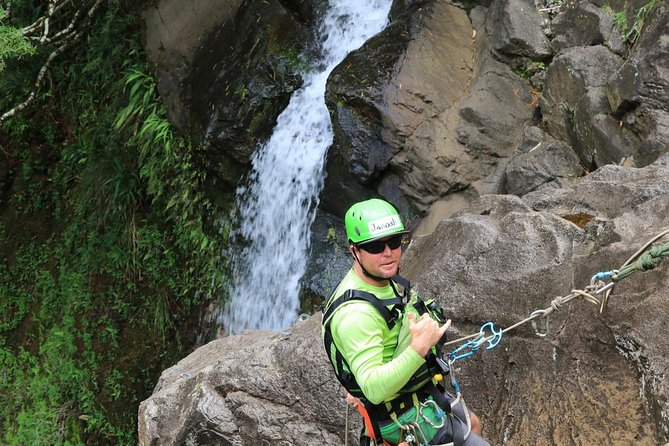
Gravity has a waterpark view. This Maui adventure pairs waterfall rappelling with rainforest cliffs off the Road to Hana, and it runs in a small group so the instruction stays personal. You’ll hike, rappel, and cool off in waterfall pools, all guided with calm, practical coaching.
I love the way the team teaches you step-by-step, including multiple safety checks before each drop. I also like that you get built-in down time: a refreshing swim in waterfall pools, and a progression from smaller cliffs to up to 30 feet as you gain confidence.
The main catch is the rules. You’ll need to fit the weight and waist requirements and be comfortable with spoken English instructions, since the day is run with verbal safety cues and check-in measurements.
In This Review
- Key things to know before you go
- Road to Hana and the Garden of Eden setting
- How the rappelling lesson actually works
- What the waterfall rappels and cliff jumps feel like
- When Maui rains and waterfalls flood
- Price and value: what $240.84 buys you
- Small group means real guide attention
- Fitness rules you should take seriously
- Timing, meeting point, and how to plan your day
- Should you book this waterfall rappelling tour
- FAQ
- How long is the rappel tour?
- What is the group size?
- What are the age and body requirements?
- Does the tour run in the rain?
- Is hotel pickup included?
- What happens if weather cancels the experience?
Key things to know before you go
- Up to 30-foot rappels in Maui’s rainforest: You start smaller, then work up to taller drops.
- Rainy-day operation with alternate rappel options: The route adjusts when waterfalls are flooding.
- Small group size (max 8): You get more time with your guide instead of watching from the side.
- A mix of activities beyond rappelling: Expect hiking and cliff jumping along with a swim break.
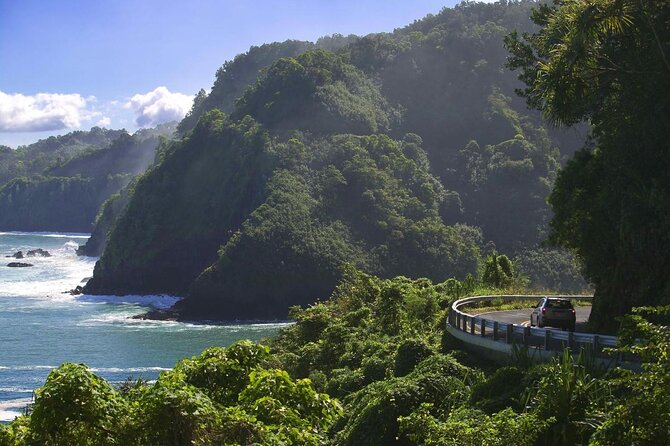
- Road to Hana scenery built into the morning: The drive out sets the tone before you reach the action.
More waterfall and rainforest walks on Maui
- Small Group Waterfall and Rainforest Hiking Adventure on Maui★ 5.0 · 1,417 reviews
- Rainforest Tour to Hana and Beyond★ 5.0 · 864 reviews
- West Maui Mountain Waterfall and Ocean Tour via Horseback★ 5.0 · 845 reviews
- Waterfall & Rainforest Hiking Adventure with Hotel Pickup★ 5.0 · 518 reviews
Road to Hana and the Garden of Eden setting
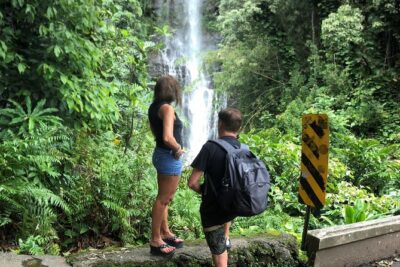
This tour lives in the Maui that most people only rush through. You meet at 10-600 Hana Hwy in Haiku, then the day threads you toward the Road to Hana area, where the sights and weather change fast. Even before you rappel, that drive matters. It’s the difference between a typical “activity” day and a nature day with real momentum.
The schedule also includes a stop at the Garden of Eden Arboretum & Botanical Garden. Even if you’re mostly there for the adrenaline, this kind of pause helps you reset your body. You’re about to spend time on wet rock, moving gear, and doing timed steps with a guide watching closely. A quick garden break gives you that chance to get your bearings, use the bathroom if needed, and notice how lush the area really is before you go straight into the rainforest.
One practical note: because this part of Maui gets rain, expect the air to feel damp even when it’s not raining hard. Your clothes and shoes will get wet either way.
How the rappelling lesson actually works
The best part about this tour is that it treats rappelling like a skill, not a dare. Even if you’re new, you won’t be sent to the cliff with just a shrug and a helmet. The team focuses on basics, then builds confidence.
In real terms, that means you’ll learn the mechanics of descending safely and you’ll practice the motions with coaching and corrections. Multiple guides in the experience pool—people like Shauna, Alba, Elena, Deacon, and Taylor—show up in the feedback as steady, patient instructors who keep first-timers calm. You’ll also get continuous support while you’re learning, not just a one-time briefing.
What I like most is the way safety checks are handled. One theme that comes through clearly is that the guides verify your setup before you commit. That’s the sort of detail you want for any activity involving controlled rope work. It also reduces the mental load. You’re not spending the whole day guessing whether you did it right.
If you’re planning for your comfort level, go in with a simple mindset: you’re learning a controlled descent, not trying to win speed points. The guides keep the tempo supportive, and they make small adjustments when needed so you can move with confidence.
What the waterfall rappels and cliff jumps feel like
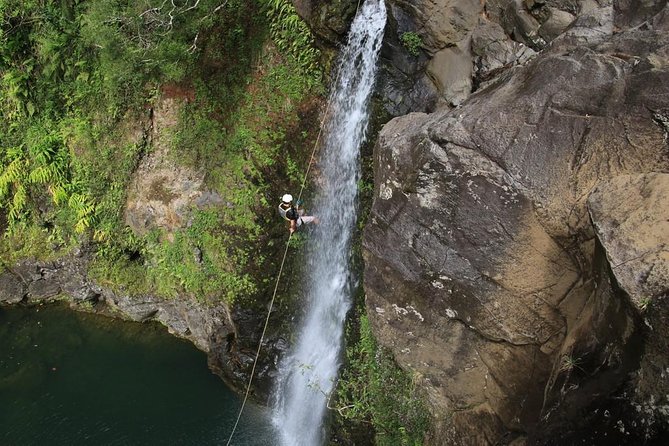
Expect a sequence that builds. You start with smaller cliffs and waterfalls, then progress to taller ones—up to 30 feet (8 meters)—once you’re comfortable. The height isn’t the whole story, though. The fun comes from how the rock, rope, mist, and moving air change the experience from “just dropping” to something you can feel in your chest.
Then there’s the water component. Your breaks aren’t just scenic. You’ll get a chance for a swim in the waterfall pools, which turns the day from adrenaline-only into a full-body nature workout. One strong pattern from the feedback: people love that the experience ends with something refreshing, not just a dry exit.
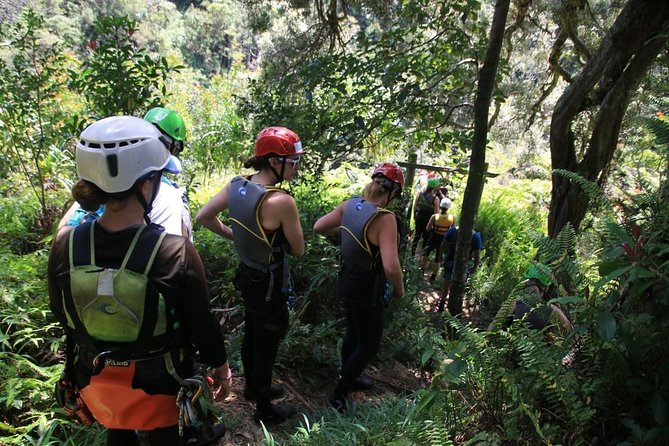
You should also expect hiking between rappel points. That hiking isn’t about long endurance. It’s about short, steady movement on uneven ground so you can reach the right cliffs and waterfalls. If you’ve ever done a wet trail and thought, this is a little slippery but doable, you’re in the right zone.
And yes, there may be cliff jumping elements. This isn’t a guaranteed stunt for everyone, but the tour describes it as part of the adventure blend. If jumping is the part that worries you, you can mentally separate goals: rappelling is your core skill, and the rest is about choices and comfort under guide direction.
When Maui rains and waterfalls flood
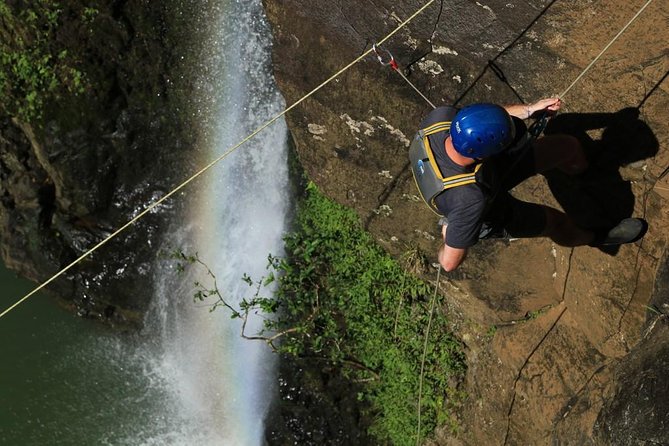
Maui weather can be unpredictable, and this region can see rain daily. The good news is the tour is designed to run even when it’s wet. The day operates in all weather conditions, and your guide will choose the best cliffs and waterfalls based on what’s happening with water flow.
The key benefit for your planning: you’re not stuck with a “maybe we’ll cancel” feeling every time dark clouds roll in. Instead, the team uses alternate rappel options when waterfalls are flooding. That means your day stays active, just with route adjustments for safety.
You’ll feel this most during the rappel choices. A waterfall that looks perfect from the road can be too fast or too crowded with debris when conditions shift. The guides account for that reality and swap to options that still deliver the experience. It also explains why the day’s pace can vary a bit from person to person, depending on weather and conditions.
So pack your attitude accordingly. You’re coming for the rainforest, not for perfect sunshine.


Price and value: what $240.84 buys you
At $240.84 per person, this isn’t the cheapest activity in Maui. The value is in three places.
First, it’s a small-group setup with a maximum of 8. When you’re learning controlled rappel technique, small groups matter because there’s less waiting and more direct coaching. You’re not just paying for rope time; you’re paying for time with skilled support.
Second, the day includes multiple elements—rappelling, cliff jumping, hiking, and swimming. If you were pricing out a private lesson plus a separate guided hike plus a water-and-safety component, it usually adds up quickly. Here, the package is built around a sequence, not a single moment.
Third, the safety approach is central. You’ll see that in how guides verify equipment and work to keep the experience “thrilling but safe.” That’s worth paying for because it changes how you feel during the day. If you’re nervous, good coaching reduces panic. If you’re confident, it still keeps you sharp on technique.
One more practical value point: the timing. The tour runs for about 3 hours (approx.) and ends back at the meeting point. For many people on the Road to Hana route, that duration is just right. It’s long enough to feel like a real outing, but not so long that it eats an entire day.
Small group means real guide attention
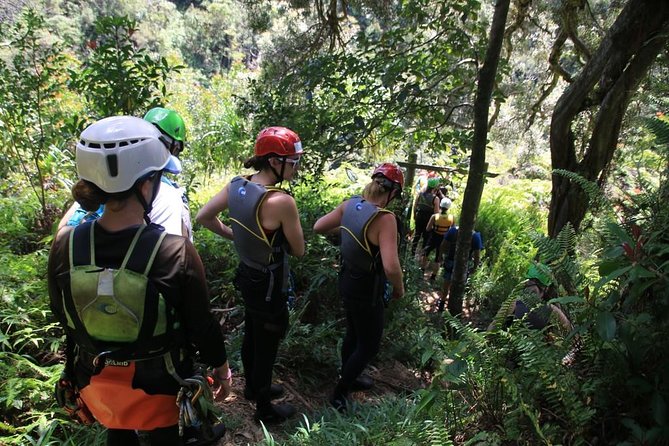
With a maximum of 8 participants, you’ll feel the difference. The guides can watch your form closely and fix what needs fixing. This is especially helpful if you’re bringing kids or if you’re returning to an activity like rappelling after a long break.
In the feedback, repeated mentions of guide energy show up: a calm, easy-going style that helps kids and adults manage nerves. People also highlight humor and a relaxed tone as part of why the day feels doable, even when it’s physically demanding.
It also explains why first-time rappellers rate the experience so highly. When the guide can adjust quickly and not juggle too many people, you learn faster. And if you feel off-balance, you don’t have to struggle alone long enough for doubts to grow.
If you’re choosing between a big group adventure and a smaller one, this is the kind of activity where small group attention isn’t a luxury. It’s part of why the experience stays safe and fun.
Fitness rules you should take seriously
This is not a stroll on a dry path. The tour expects moderate physical fitness, and you must be able to walk and hike unassisted. You’ll also be moving through wet terrain, carrying your own body through slippery moments, and following rope work procedures.
The other big requirement is the safety check at arrival. All participants must weigh between 70 lbs and 250 lbs, and waists must measure between 22 and 48 inches. The team weighs participants at check-in, and there’s no refund for anyone who doesn’t meet the limits at the point of measurement.
Also plan for the language expectation. Participants must understand spoken English well and speak it fluently, because safety instructions are verbal and need to be understood quickly.
Age matters too. Minimum age is 10, and children must be accompanied by an adult. If minors are involved, a legal parent or guardian signs a permission form before the tour begins.
If any of these rules might be borderline for you, this is a case where it’s worth deciding early, not waiting until the day-of.
Timing, meeting point, and how to plan your day
There’s no hotel pickup or drop-off. You’ll need to get yourself to 10-600 Hana Hwy, Haiku. The tour ends back at the same meeting point, so you’re not left stranded far from where you started.
Plan food and hydration. Bottled water and seasonal snacks are included, so you won’t arrive empty-handed. Still, I’d treat this like an active half-day in rain-country. Your energy and your grip strength will matter more than you think once the rope and wet rock come into play.
If you’re also doing other Road to Hana stops, schedule this so you’re not rushing. You want time to dry off a bit afterward and manage the rest of the day without stress. Even people who find it exciting often feel it physically afterward.
Should you book this waterfall rappelling tour
Book it if you want more than a view. This is a hands-on way to experience Maui’s waterfalls and rainforest, with real skill-building and a small-group setup that supports first-timers. If you’re comfortable with rain-country conditions, and you’re in the right age/fitness/measurement range, it’s one of those Maui experiences that turns into a story you keep telling.
Don’t book it if you’re looking for an easy, passive nature walk. This is active: hiking, controlled descending, and sometimes cliff jumping. And it requires good English comprehension for safety.
My final take: if your body can handle an outdoors workout and you’re ready to learn a new technique, you’ll likely consider it money well spent.
FAQ
How long is the rappel tour?
The tour runs about 3 hours (approx.).
What is the group size?
This is a small-group experience with a maximum of 8 participants.
What are the age and body requirements?
Minimum age is 10, and participants must weigh between 70 lbs and 250 lbs with a waist measurement between 22 and 48 inches. Participants are weighed at check-in, and there is no refund if requirements are not met at check-in.
Does the tour run in the rain?
Yes. The tour operates in all weather conditions, and the guide will use alternate rappels when waterfalls are flooding.
Is hotel pickup included?
No. Hotel pickup and drop-off are not included. You meet at 10-600 Hana Hwy, Haiku and the tour ends back there.
What happens if weather cancels the experience?
If the experience is canceled due to poor weather, you’ll be offered a different date or a full refund.
More Tour Reviews in Maui
- Maui Pineapple Farm Tour in Haliimaile
★ 5.0 · 2,855 reviews - Small-Group Road to Hana Adventure Tour with Pickup & Lunch
★ 5.0 · 2,637 reviews - Maui Eco-Raft Tour: Eye-Level Whale or Dolphin Watching – Lahaina
★ 5.0 · 2,482 reviews - Maui Snorkeling Adventure to Molokini and Turtle Town
★ 4.5 · 2,221 reviews - Maui: Haleakala Sunrise Spectacular with Local Breakfast
★ 4.5 · 2,155 reviews
Deeper Into the Maui Rainforest
- Small Group Waterfall and Rainforest Hiking Adventure on Maui
★ 5.0 · 1,417 reviews - Rainforest Tour to Hana and Beyond
★ 5.0 · 864 reviews - West Maui Mountain Waterfall and Ocean Tour via Horseback
★ 5.0 · 845 reviews - Waterfall & Rainforest Hiking Adventure with Hotel Pickup
★ 5.0 · 518 reviews - Maui: Road to Hana Helicopter & Waterfall Tour with Landing
★ 4.9 · 277 reviews
More of Maui we have reviewed, from the crater to the coast




Maui Waterfall & Rainforest Hikes, compared.
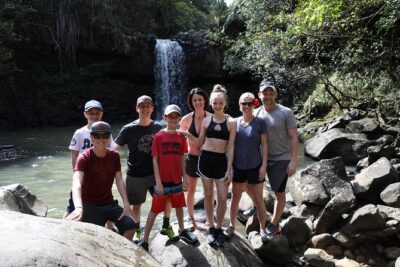 ★ 5.0Small Group Waterfall and Rainforest Hiking Adventure on MauiFrom $1871,417 reviews
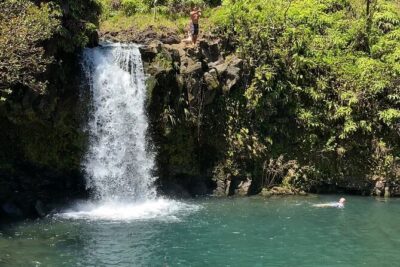 ★ 5.0Rainforest Tour to Hana and BeyondFrom $210864 reviews
 ★ 5.0West Maui Mountain Waterfall and Ocean Tour via HorsebackFrom $187845 reviews
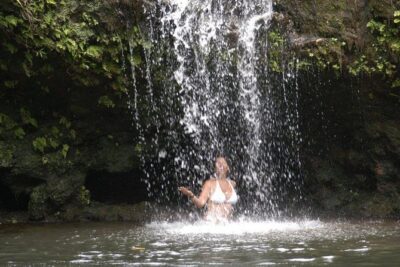 ★ 5.0Waterfall & Rainforest Hiking Adventure with Hotel PickupFrom $229518 reviews
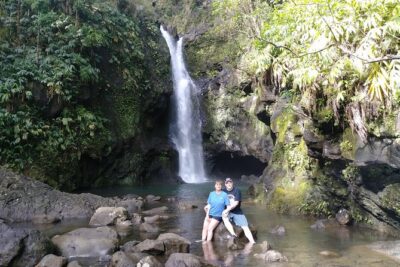 ★ 5.0Road To Hana: Maui Waterfall Hiking Tour in Private JeepFrom $299343 reviews
 ★ 4.9Road to Hana Helicopter & Waterfall Tour with LandingFrom $329277 reviews
 ★ 4.9Rainforest Waterfalls Guided Hike with Picnic LunchFrom $187274 reviews
 ★ 5.0Luxury Helicopter Experience with Hana Rainforest LandingFrom $341274 reviews
Browse the lists this tour appears in