
Reviewed · MAUI SCUBA DIVING
Maui: Intro to Scuba Diving from Shore – Lahaina
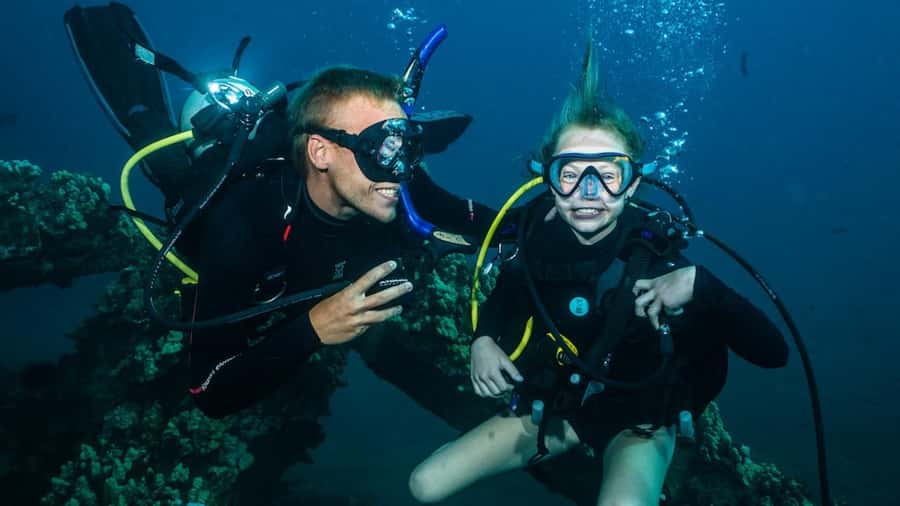
First lesson: scuba can be calm. You get an intro to scuba from Lahaina shore with direct supervision from a PADI professional, plus quick PADI eLearning prep before you ever hit the water. I like how hands-on the training is, especially practical skills like mask clearing and recovering your regulator, and I also like that the experience is built around a relaxed look at coral reefs with turtles and lots of tropical fish. One consideration: this isn’t for everyone, since it’s not suitable for people who can’t swim or who have certain medical or respiratory limits, and touching marine life isn’t allowed.
In about 30 minutes you’ll cover the class basics and gear rundown, then you’ll spend around 75 minutes working your skills and moving through the reef area at a beginner pace. It’s offered as a small group (up to 4), which matters because you can ask questions and get individualized coaching instead of waiting your turn. If you tend to get nervous, it’s still a good format, but you should be ready for the session to start with safety talk (including mention of sharks) before you settle into a peaceful, guided swim.
In This Review
- Key highlights to know before you go
- Getting to the water fast: Lahaina shore session with PADI coaching
- The PADI eLearning warm-up: what you do before you arrive
- The 30-minute class: gear basics and safety that actually matters
- Your water practice: clearing your mask and recovering your regulator
- What you’ll see after the skills: coral reefs, turtles, and fish
- Price and value: does $160 make sense for a shore-based intro?
- Who this is best for in Maui (and who should skip it)
- Booking without stress: what to bring and what to remember
- Should you book this Maui shore scuba intro?
- FAQ
- How long is the experience?
- What does the price include?
- Do I need to do eLearning before the session?
- What should I bring with me?
- Are there rules about touching marine life?
- Is transportation or food included?
- Is this suitable for non-swimmers?
Key highlights to know before you go
- Small group format (up to 4) means more personal attention in the water
- PADI eLearning (15–20 minutes) helps you arrive already familiar with core basics
- Hands-on safety skills focus on mask clearing and regulator recovery
- Shore start in Lahaina keeps the logistics simple while you practice
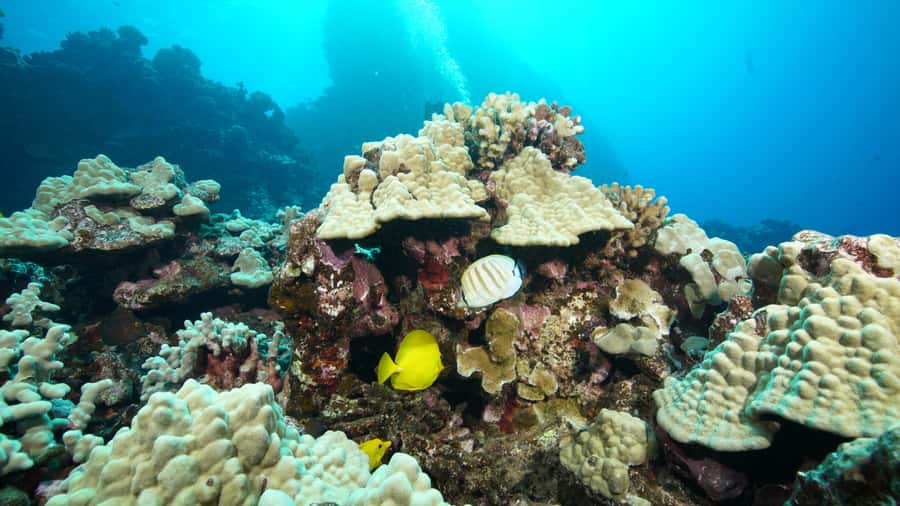
- Coral reef time is designed for a beginner pace, with turtles and tropical fish you can see up close
Still weighing up how to spend a day on the Valley Isle? Here are more Maui tours we have been out on.
- Maui Nui Luau at the Sheraton Maui Resort & Spa★ 4.5 · 1,622 reviews
- Myths of Maui Luau Dinner and Show★ 4.0 · 1,144 reviews
- Road to Hana: Full-Day Scenic Drive with Blacksand & Waterfalls★ 4.5 · 837 reviews
- Road To Hana: Maui Waterfall Hiking Tour in Private Jeep★ 5.0 · 343 reviews
Getting to the water fast: Lahaina shore session with PADI coaching
Most beginner scuba experiences try to cram too much into too little time. What I like here is the straightforward setup: you start at Dive Maui / Hawaiian Rafting Adventures in Lahaina, you get the quick class, and then you’re in the water working core skills. That flow is ideal if you’re trying to learn without a lot of extra travel, waiting, or complicated steps.
The “from shore” part matters. You’re not stuck with long boat rides and the added motion that can make first-timers tense. Instead, you’re practicing in a controlled environment with your instructor watching you closely. The total time is about 3 hours, with a 30-minute class followed by about 75 minutes of water time, so you still get actual practice instead of just getting gear fitted and sent on your way.
Also, the group size is capped at 4 participants. That’s not just a comfort perk; it changes how the instructor can teach. With fewer people, you tend to get more immediate feedback when something feels off, like your breathing rhythm or the way your mask sits on your face.
The PADI eLearning warm-up: what you do before you arrive
Before your water time ever happens, you get an assigned login for PADI eLearning. The expected time is short: about 15–20 minutes to complete the required videos and reading. I love this approach because it turns your instructor time into coaching, not classroom lecturing.
Here’s how you’ll feel if you do the eLearning: you’ll recognize the vocabulary, you’ll know what the equipment is called, and you’ll understand what your instructor is asking you to do in the water. That lowers the stress level. And for first-timers, lower stress usually means better control, which means you enjoy the reef more.
You also get a strong reminder that you must complete the PADI Medical as soon as possible after receiving the eLearning. If you answer yes to any medical questions, you can’t go in the water until you’re cleared by a doctor. That’s not red tape for the sake of it. It protects you, especially because scuba involves changes in pressure and controlled breathing that can affect people differently depending on their health.
Practical tip: plan to do the eLearning soon after booking so you’re not trying to fit it in the night before. You don’t need a study marathon. Just knock out the videos and reading so your instructor can get you practicing right away.
The 30-minute class: gear basics and safety that actually matters
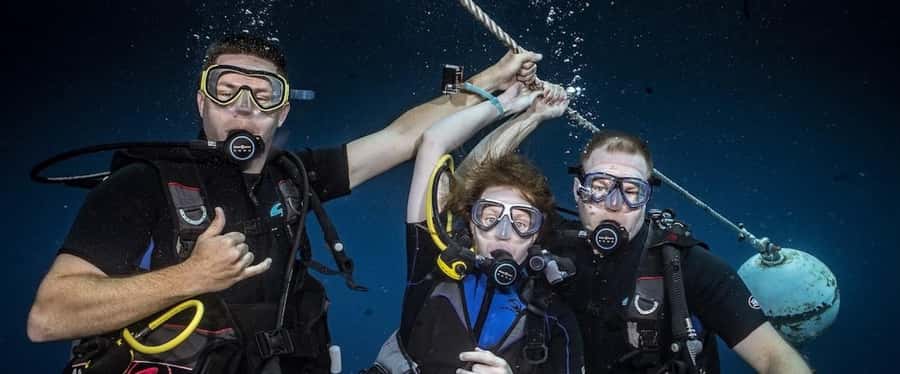
After you meet at Dive Maui / Hawaiian Rafting Adventures, the first stop is a 30-minute class. This is where you’ll cover basic safety guidelines and learn how the equipment is used while you’re swimming underwater.
What makes this portion valuable is that it’s not just theory. You’ll go over the equipment you’ll be wearing and how you’ll use it in the water. For many first-timers, that’s the biggest unknown: you can’t relax if you don’t know what each piece of gear is doing or why it’s there.
Even if you’re an experienced swimmer, scuba is a different skill set. You’ll be practicing breathing underwater, and you’ll learn the kinds of problems that can pop up early in a session—like what happens if your mask shifts or if your regulator needs recovery. Knowing those skills in advance helps you stay calm when your body adjusts to the sensation.
Group coaching here also helps. You’ll get direct supervision from a PADI professional, and you can ask questions before anything happens under the surface. That’s a big deal if you’re the type who learns best by confirming details face-to-face.
Your water practice: clearing your mask and recovering your regulator
The heart of this experience is the part where you practice real skills. Around 75 minutes are dedicated to the underwater session, and your instructor will guide you through the basics at the pace of beginners.
The key skills you’ll work on are specifically:
- Clearing your mask
- Recovering your regulator
These are the exact kind of tasks that can sound intimidating until you practice them with someone right there, watching you and correcting you. I like that the training focuses on repeatable actions instead of trying to make you perfect on your first attempt.
You’ll also get instruction on what it feels like to breathe underwater. That’s not a trivial point. If you come in expecting it to feel like holding your breath longer, you’ll be surprised in a good way. Most people relax once they understand the breathing rhythm and how steady exhale and inhale works with your gear.
And because it’s a small group, you’re less likely to feel rushed. The instructor can give you feedback in real time, not after the group has moved on.
One more practical note: what you’re doing underwater is safety training, not a performance test. You’ll know you’re on track if your instructor keeps bringing you back to breathing control, equipment handling, and calm movements.




What you’ll see after the skills: coral reefs, turtles, and fish
Once you feel confident with the basics, you’ll continue with your instructor in the reef area. This is where the “why Maui” part starts to make sense. You’re not going underwater just to learn gear skills; you’re also there to see the marine life that makes scuba worth the effort.
Expect coral reefs and lots of tropical fish. The experience is designed to be beginner-friendly, so you’re not expected to sprint around the ocean. You’ll explore at a comfortable pace, which makes it easier to notice the small stuff—color changes on the reef, different schools of fish, and the way visibility feels under the surface.
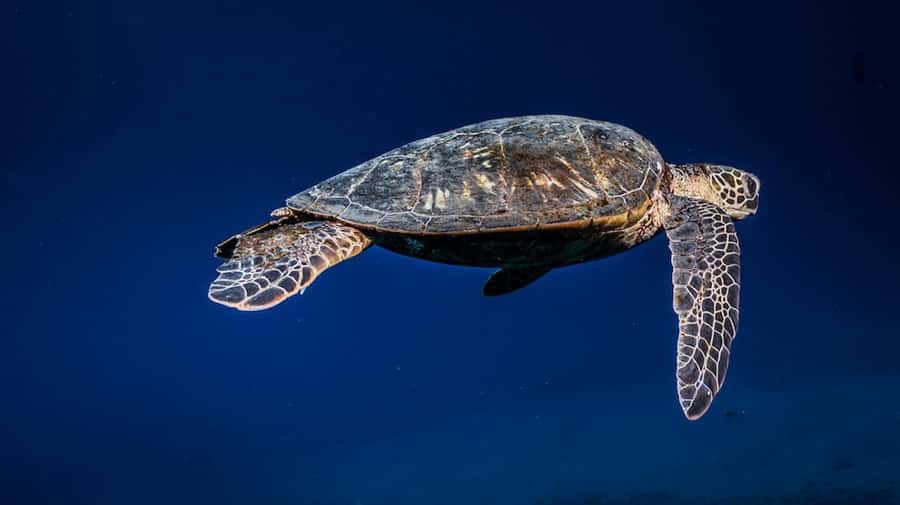
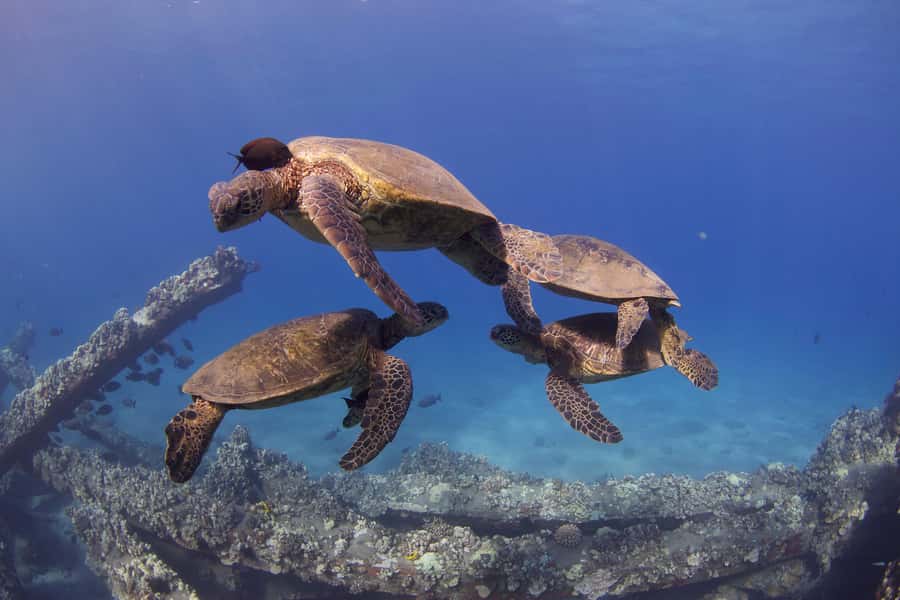
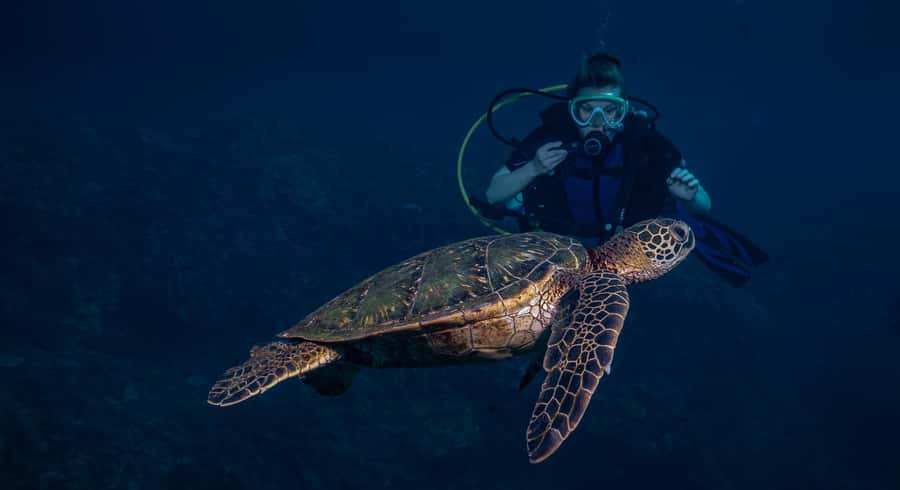
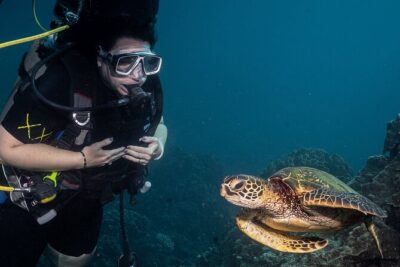
A standout you should plan for: turtles. You may even get that memorable moment where you look over and see one moving along the water column or cruising near the reef. The training prepares you to stay steady long enough to enjoy those sightings, instead of panicking about control.
And yes, there can be safety talk at the start that includes mention of sharks. That sounds scary on land, but in a guided setting it usually functions as education: what to expect, how to stay calm, and what the instructor wants you to focus on. Once you’re breathing comfortably, the actual experience tends to feel more peaceful than your imagination.
Price and value: does $160 make sense for a shore-based intro?
At $160 per person for about 3 hours, this is in the category of “serious but not crazy.” The best way to judge value isn’t the headline price—it’s what’s included.
Included:
- Personalized instruction from a PADI professional
- All PADI materials
- All scuba gear rentals
Not included:
- Transportation
- Food
Here’s the value logic I use. You’re paying for a trained professional to teach you safety skills and breathing control in a supervised, small-group setting. You’re also not paying separately for rental gear, which matters because beginners often underestimate how quickly rental costs stack up.
The shore start helps too. If you’re someone who would pay extra for boats or longer logistics, this format can feel like good planning. And with the small group cap, you’re not competing for attention.
If you’re comparing options, I’d focus on two questions:
- Does the plan include real practice time with skills like mask clearing and regulator recovery?
- Are you getting gear and instruction included so you don’t face surprise add-ons?
Based on what’s built into this session, you do get both, which is why the price tends to feel fair for a true beginner intro.
Who this is best for in Maui (and who should skip it)
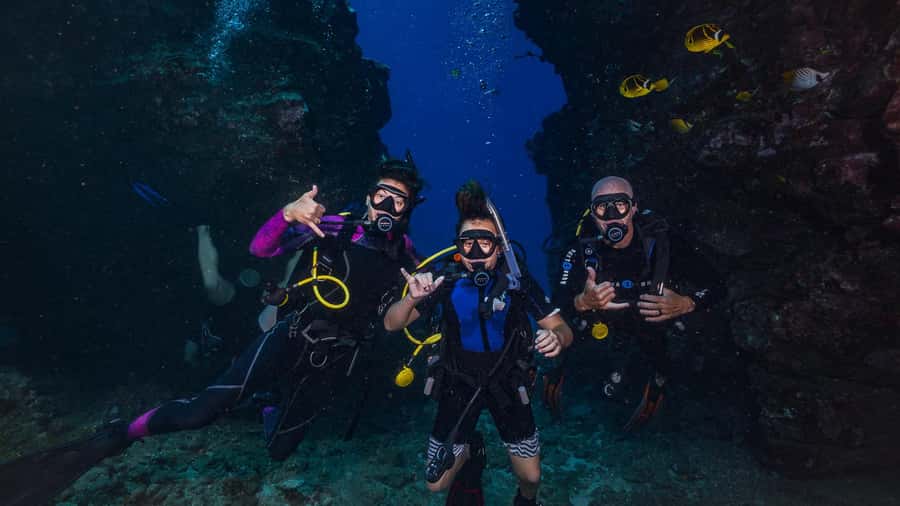
This is aimed at beginners, including people who want a structured introduction rather than a casual snorkel. But it’s not meant for everyone.
It’s not suitable for:
- Pregnant women
- People with back problems
- People with heart problems
- Non-swimmers
- People with respiratory issues
- People prone to seasickness
If any of those apply, you should take the safety limits seriously and consider a different marine activity that doesn’t involve scuba equipment and breathing underwater.
You also have a clear rule once you’re underwater: don’t touch marine life. That’s both for your safety and for reef protection. You’ll still get good views without grabbing, chasing, or interacting—part of the lesson is learning to observe calmly.
Who I’d recommend it to:
- First-timers who want a guided, safety-focused start
- People who feel anxious and want hands-on correction
- Swimmers who are comfortable with being coached and practicing simple skills
And if you’re thinking, I’m worried I’ll freeze the moment I’m underwater, that’s exactly why skill practice happens first. You don’t jump straight to marine life. You learn to control your setup, then you enjoy the reef.
Booking without stress: what to bring and what to remember
You keep it simple. Bring swimwear. That’s all that’s specifically listed, so plan to arrive ready to get fitted and get moving.
Also, treat the eLearning and medical steps like part of the trip, not paperwork you handle later. Do the eLearning when you get your login, and complete the medical as soon as possible so there’s time to address anything that might require doctor clearance.
If you’re booking close to travel dates, pick a time that works for your schedule because the total experience runs about 3 hours with defined class and water segments.
And if you want flexibility, the experience offers free cancellation up to 24 hours in advance and a reserve-now, pay-later option. That helps if you’re still finalizing your Maui plan.
Should you book this Maui shore scuba intro?
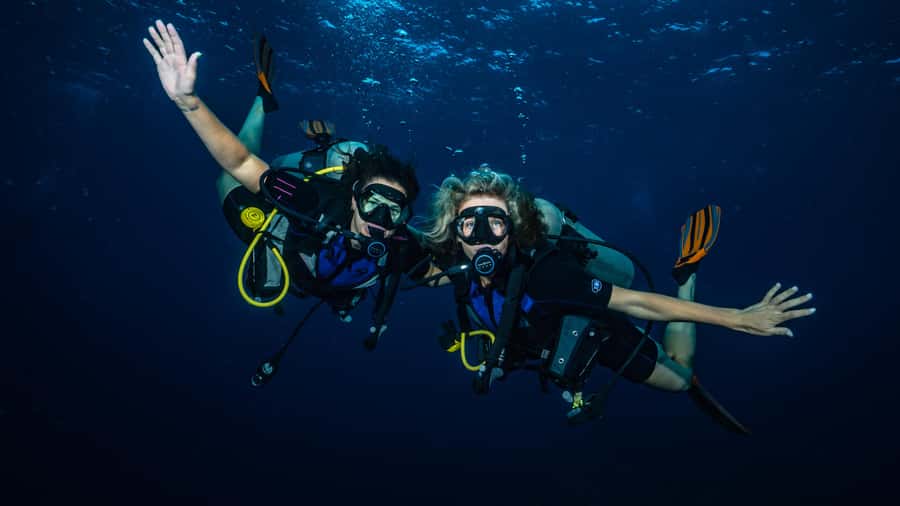
Book it if you want a beginner-friendly scuba introduction that actually teaches safety skills in a supervised setting, includes gear and PADI materials, and keeps the timing tight and practical at around 3 hours. The small group cap helps a lot if you want real attention, especially for mask clearing and regulator recovery.
Skip it if you fall into any of the not-suitable categories listed, or if you’re unsure about your ability to swim and follow instructions underwater. Also, if you know you get severely seasick, keep in mind the activity is not suitable for people prone to seasickness.
If your goal is to leave Maui with the confidence to understand the equipment, breathe underwater, and see reef life like turtles without being overwhelmed, this is a smart starter choice—especially because you start from shore and practice first, reef time second.
FAQ
How long is the experience?
The experience is about 3 hours total, with a 30-minute class and about 75 minutes in the water.
What does the price include?
It includes personalized instruction from a PADI professional, all PADI materials, and all scuba gear rentals.
Do I need to do eLearning before the session?
Yes. You’ll be assigned an eLearning login with reading and videos to complete before you arrive, and it should take about 15–20 minutes.
What should I bring with me?
You just need to bring swimwear.
Are there rules about touching marine life?
Yes. Touching marine life is not allowed.
Is transportation or food included?
No. Transportation and food are not included.
Is this suitable for non-swimmers?
No. It’s not suitable for non-swimmers.
More Tour Reviews in Lahaina
- Maui Nui Luau at the Sheraton Maui Resort & Spa
★ 4.5 · 1,622 reviews - Myths of Maui Luau Dinner and Show
★ 4.0 · 1,144 reviews - Road to Hana: Full-Day Scenic Drive with Blacksand & Waterfalls
★ 4.5 · 837 reviews - Road To Hana: Maui Waterfall Hiking Tour in Private Jeep
★ 5.0 · 343 reviews - Shared Departure Transfer: Hotel to Maui Kahului Airport
★ 4.5 · 180 reviews
More of Maui we have reviewed, from the crater to the coast





Maui Scuba Diving, compared.
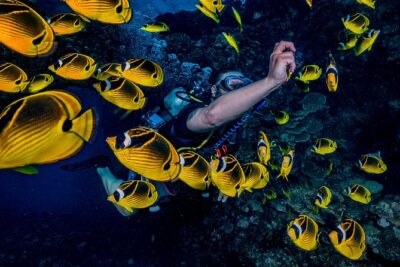 ★ 5.02 Tank Lanai Cathedral Scuba Dive Via Boat for Certified DiversFrom $306548 reviews
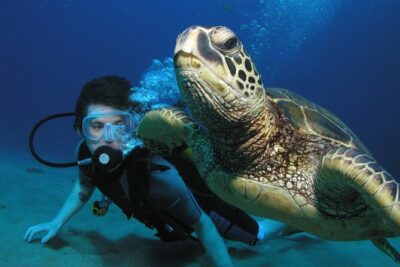 ★ 5.0Intro/Refresher Dive Swim Ability RequiredFrom $239248 reviews
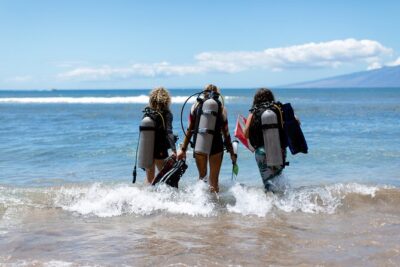 ★ 5.0Small-Group Shark and Turtle Dive for Certified DiversFrom $135219 reviews
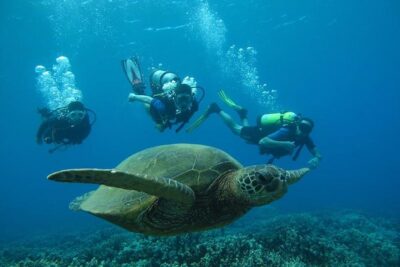 ★ 5.0Beginner Scuba Dive in Lahaina: Swimming RequiredFrom $229219 reviews
 ★ 5.0Discover Scuba Diving Class from LahainaFrom $158185 reviews
 ★ 5.0Maui Scuba Diving Introductory Lesson from LahainaFrom $227179 reviews
 ★ 5.0South Maui Shore DiveFrom $155147 reviews
 ★ 5.0VIP Aloha Nui Snorkel Adventure w/ optional SCUBA from LahainaFrom $235136 reviews
Browse the lists this tour appears in