
Reviewed · MAUI LUAUS & HULA SHOWS
Hula Lesson on Maui (Basics)
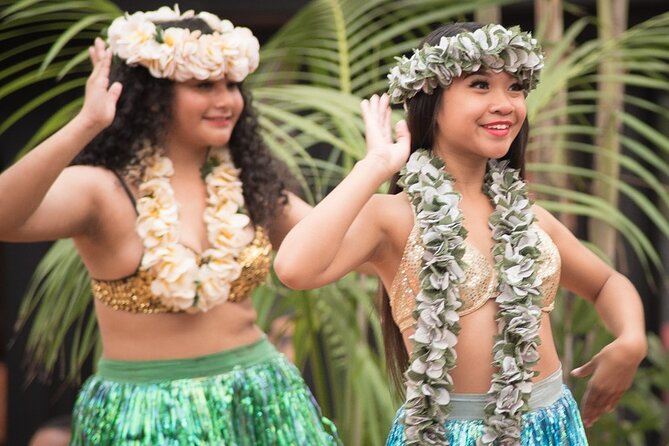
Your feet will learn the beat fast. A one-hour hula lesson in Maui is a fun, low-pressure way to learn the basics and understand the dance’s meaning, not just copy hand positions. I like that the class is all-ages friendly, so it works for kids, couples, and anyone who thinks they are not a dancer.
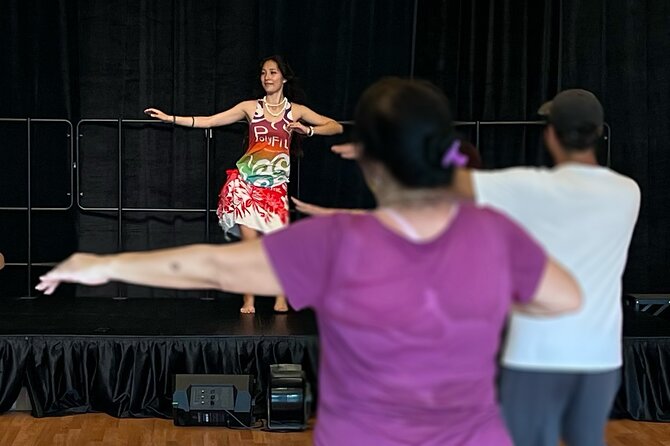
The second thing I really like is how you build toward an actual performance. You get history and legends, some key hula vocabulary, then you practice the core movements and put them into a dance or two. One consideration: you’ll be in bare feet, so if your feet are sensitive, plan for that.
In This Review
- Quick hits: What makes this Maui hula class worth your time?
- Hula in Maui, Without the Pressure
- Where You Meet for Your 11:00am Lesson
- What Happens in the One-Hour Hula Lesson
- Learning Hula Beyond the Stereotypes
- The Value of $25 for a Real Skill
- Who This Is Best For (And Who Might Want Something Different)
- Pair It With a Performance Day
- Should You Book This Maui Hula Lesson?
- FAQ
- How long is the Maui hula lesson?
- What is the price per person?
- Where is the lesson held?
- Do I need prior dancing experience?
- What language is the guide?
- What should I bring or wear?
- What if I want to tip the instructor?
- Is the class limited in size?
- How do I get my ticket?
- What is the start time?
- What is the cancellation policy?
Quick hits: What makes this Maui hula class worth your time?
- All-ages participation: join with no dance background, age or experience doesn’t matter
- Culture alongside steps: you learn hula terminology, legends, and the meaning behind movement
- Hands-on practice: you practice basics and work them into a short routine
- Small class size: maximum of 25 people helps keep it manageable
- English instruction: an English guide keeps things clear and practical
- Simple setup: your only requirement is coming with bare feet and a good attitude
Other Maui luaus and hula nights we have sat through
- Maui: Te Au Moana Luau at The Wailea Beach Marriott Resort★ 4.5 · 1,247 reviews
- Maui Luau: Gilligans’ Island Luau in Kihei★ 4.0 · 1,130 reviews
- Maui Sunset Dinner Cruise – A Hawaiian Hula Experience★ 4.5 · 703 reviews
- South Maui: Gilligans’ Island Luau with Dinner and Drinks★ 4.2 · 254 reviews
Hula in Maui, Without the Pressure
Hula looks easy until you try it. Then you notice the details: the timing in the hands, the focus in the eyes, and how the feet place the rhythm. This lesson is designed so you can actually learn those pieces, even if you’ve never taken a class before.
The teaching style is built for real vacation life. You’ll start with the idea that hula is more than a stereotype. The lesson covers history and legends, so the movements make sense in your head, not just your arms and legs. That matters, because when you understand what you are acting out, your body usually figures out the motions faster.
This also makes it a strong bonding activity. Families can move together and laugh when a step feels awkward at first. Groups can share a common skill by the end of the hour. Even if you come with no rhythm, you’re not stuck watching others for an entire session.
Where You Meet for Your 11:00am Lesson
You meet at Oni Foundation Inc – Wonderful World of Aloha Cultural Activity Center, 275 W Kaahumanu Ave, Kahului, HI 96732, starting at 11:00 am. The activity ends back at the meeting point, so you can plan the rest of your day without complicated logistics.
It’s a good location to think about for one practical reason: this kind of class wants you present, not stressed about getting there late. The tour notes it’s near public transportation, and you’ll have a straightforward plan once you arrive.
Other details that affect your day:
- Duration is about 1 hour
- You’ll get an English guide
- You’ll receive a mobile ticket
- The group has a maximum of 25 travelers (so it’s not a huge crowd)
One more practical note: gratuity isn’t included. If you appreciate the instruction, plan to tip accordingly. And if you have a service animal, the tour states that service animals are allowed.
What Happens in the One-Hour Hula Lesson
This class is built like a mini learning journey. You’re not just shown a routine and told to repeat it. You learn the pieces, practice them, and then connect them into a dance.
Here’s the flow you can expect:
- Introduction to hula concepts
You start with context: the class explains the dance form and its cultural roots through history and legends. That sets you up to understand what the movements are communicating.
- Hula terminology and meaning
You learn important hula terminology. It may sound small, but having the correct words helps you remember what you’re doing, and it also helps you watch future performances with clearer eyes.
- Basic movements, practiced repeatedly
You then practice the core movements. Expect a guided mix of body position, hand motions, and foot rhythm. The goal is to help you get comfortable before you’re asked to string things together.
- Put it together into a dance or two
Near the end, you combine what you practiced into a dance. In some cases, people leave feeling like they learned a full song-length routine rather than only a few disconnected steps.
The biggest thing to take from this format is that the class is structured for different learning speeds. The instruction is set up to keep beginners moving forward while still giving helpful coaching. If you can follow along with a group and practice simple steps, you’re in the right place.
Learning Hula Beyond the Stereotypes
Maui is full of hula performances, so you probably already have a picture in your head of what hula looks like. The value here is that the lesson pushes past the surface.
You get:
- Legends and history that explain why hula exists as more than entertainment
- Terminology that gives you real language for the gestures
- A chance to practice until it feels like a sequence, not separate bits
That last part changes how you experience hula afterward. Instead of thinking, I’ve seen this before, you’ll notice things like timing, the shape of motions, and the story-like structure of the dance. And if you decide to watch live performances later, you’ll recognize more than just the costumes and music.
Other island craft classes to try your hand at


The Value of $25 for a Real Skill
At $25 per person, a one-hour class can feel either like a bargain or a tease, depending on what’s included. In this case, the math works because you’re not just getting a quick show. You’re getting instruction and a structured path to a short routine.
What’s included:
- Instruction from an English guide
- The lesson itself (you’re not expected to bring equipment)
- A simple approach that works for people without prior skills
What’s not included:
- Meal or refreshments
- Gratuity
The value sweet spot is that you leave with something practical: you learned a new skill on Maui, and it’s a skill you can remember later when you hear hula music. For families, it’s also a way to do something together without needing special coordination, a big walking commitment, or a long day out.
Who This Is Best For (And Who Might Want Something Different)
This lesson is ideal if you want culture plus movement without the intimidation factor.
It fits especially well for:
- Families: kids can participate, and adults don’t have to feel awkward trying something new
- Beginner dancers: you get the basics and guidance, not advanced choreography
- Groups: it’s a shared activity with a clear finish line (you learn an actual dance sequence)
- People who want a fun, light workout while learning a cultural form
Even if you have dance experience, it can still be a satisfying class because it focuses on fundamentals and cultural context rather than only technique. The best part is that you’re not competing with anyone; you’re learning together.
The main reason someone might choose differently is if you want a long, high-intensity class or a deep technical training plan. This is built for a one-hour experience, so you’re leaving with a foundation, not a new career-level routine.
Pair It With a Performance Day
One easy way to extend the impact of your lesson is to watch hula afterward. A pairing like that makes what you learned feel real and specific.
If you’re planning the timing of your Maui day, try to align your lesson with a local performance schedule you can confirm while you’re there. The idea is simple: learn the movement language in class, then see it in full at a show.
Should You Book This Maui Hula Lesson?
Yes, if you want a beginner-friendly Maui activity that teaches more than a quick gimmick. Book it if you like hands-on learning, you’re traveling with family or mixed skill levels, and you want an hour that adds meaning to all the hula you’ll see on the island.
You might skip it if:
- You expect refreshments included (they aren’t)
- You want a longer training session than one hour
- You’re uncomfortable with bare feet
One practical tip: this class is popular enough that it’s often reserved about a month in advance. If your dates are fixed, it’s smart to lock it in early. And if your plans change, the policy allows free cancellation up to 24 hours before the experience starts, based on local time.
If your goal is to do something hands-on, learn a new skill, and come away with a clearer sense of hula as a cultural expression, this is a strong pick.
FAQ
How long is the Maui hula lesson?
The lesson runs for about 1 hour.
What is the price per person?
It costs $25.00 per person.
Where is the lesson held?
You meet at Oni Foundation Inc – Wonderful World of Aloha Cultural Activity Center, 275 W Kaahumanu Ave, Kahului, HI 96732.
Do I need prior dancing experience?
No. The class is designed for beginners, and you can join regardless of age, background, or dancing skills.
What language is the guide?
The guide speaks English.
What should I bring or wear?
You only need bare feet. No other equipment is listed.
What if I want to tip the instructor?
Gratuity is not included, so you may want to bring something for tipping.
Is the class limited in size?
Yes. The experience notes a maximum of 25 travelers.
How do I get my ticket?
You receive a mobile ticket, and confirmation is received at booking.
What is the start time?
The class starts at 11:00 am and ends back at the meeting point.
What is the cancellation policy?
You can cancel for a full refund up to 24 hours in advance of the experience’s start time, based on local time.
More Tour Reviews in Maui
- Maui Pineapple Farm Tour in Haliimaile
★ 5.0 · 2,855 reviews - Small-Group Road to Hana Adventure Tour with Pickup & Lunch
★ 5.0 · 2,637 reviews - Maui Eco-Raft Tour: Eye-Level Whale or Dolphin Watching – Lahaina
★ 5.0 · 2,482 reviews - Maui Snorkeling Adventure to Molokini and Turtle Town
★ 4.5 · 2,221 reviews - Maui: Haleakala Sunrise Spectacular with Local Breakfast
★ 4.5 · 2,155 reviews
Made-on-Maui Classes
- Make your own Maui Souvenir/Ocean resin class
★ 5.0 · 57 reviews - Private One Piece Glassblowing Lesson for 1 or 2 People
★ 5.0 · 32 reviews - Lauhala Bracelet Craft Class on Maui
★ 5.0 · 18 reviews - Epoxy Resin Cheese Board Art Class
★ 5.0 · 15 reviews - Kukui Nut Airport Lei Greeting (Maui, Kahului Airport, OGG)
★ 5.0 · 9 reviews
More Maui Luau Nights
- Maui: Te Au Moana Luau at The Wailea Beach Marriott Resort
★ 4.5 · 1,247 reviews - Maui Luau: Gilligans’ Island Luau in Kihei
★ 4.0 · 1,130 reviews - Maui Sunset Dinner Cruise – A Hawaiian Hula Experience
★ 4.5 · 703 reviews - South Maui: Gilligans’ Island Luau with Dinner and Drinks
★ 4.2 · 254 reviews - Feast at Mokapu Luau in Wailea
★ 4.5 · 217 reviews
More of Maui we have reviewed, from the crater to the coast




Maui Luaus & Hula Shows, compared.
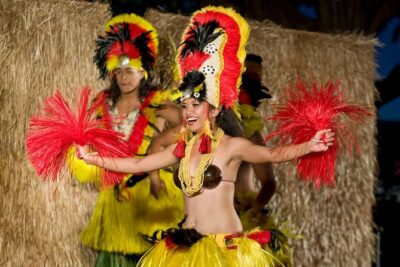 ★ 4.5Maui Nui Luau at the Sheraton Maui Resort & SpaFrom $2181,622 reviews
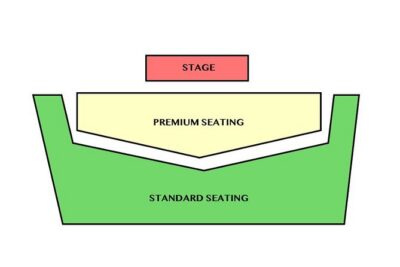 ★ 4.5Te Au Moana Luau at The Wailea Beach Marriott ResortFrom $2251,247 reviews
 ★ 4.0Myths of Maui Luau Dinner and ShowFrom $2111,144 reviews
 ★ 4.0Maui Luau: Gilligans’ Island Luau in KiheiFrom $1661,130 reviews
 ★ 4.5Maui Sunset Dinner Cruise – A Hawaiian Hula ExperienceFrom $158703 reviews
 ★ 4.2South Maui: Gilligans’ Island Luau with Dinner and DrinksFrom $166254 reviews
 ★ 4.5Feast at Mokapu Luau in Wailea217 reviews
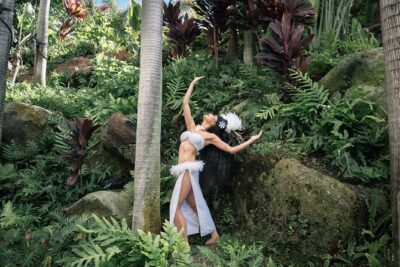 ★ 4.0Wailele Luau with Fire and Knife Performance and DinnerFrom $218167 reviews
Browse the lists this tour appears in