
Reviewed · HALEAKALA SUMMIT & SUNSET TOURS
Haleakala Sunset and Astronomy Tour
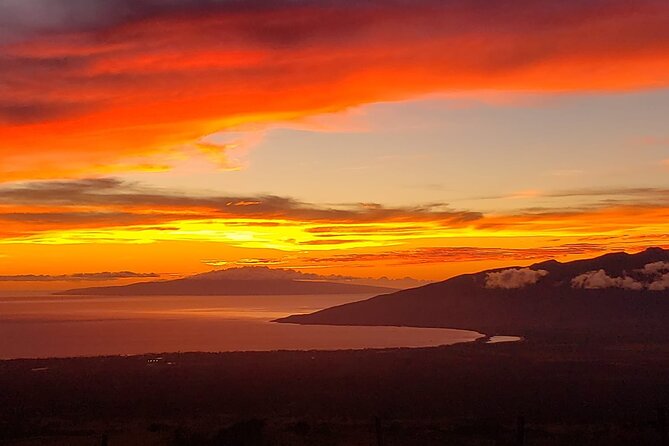
A volcano sunset plus real stargazing, in one run. You’ll head into Haleakalā National Park, learn Maui’s natural history, then watch for stars from about 10,000 feet using telescopes.
I love that it’s a small group experience capped at 7 people. I also love the comfort planning: warm outerwear, chairs, and hot drinks while you wait for the sky to open up.
The one thing to consider is the cold and altitude. If you have sinus congestion, the descending part can be painful, and weather can cancel the tour with little notice.
Small group size (max 7) for a calmer night
Sunset from above the clouds with crater views
Telescopes plus binoculars for moon, planets, and stars
Warm outerwear, chairs, and hot drinks at the summit
Guide storytelling on geology, flora, fauna, and constellations
Weather-dependent experience that may reschedule if winds are high
In This Review
- Makawao Pickup and the 4:30 pm Climb to Haleakalā
- Haleakalā National Park at Sunset: Crater Views Above the Clouds
- Amazing Maui Stars Astronomy: Telescopes, Binoculars, and What You Can See
- Comfort at 10,000 Feet: Warm Gear, Chairs, and Hot Drinks
- Stop-by-Stop Flow: What Happens During the 4 Hours at the Park
- Snacks and Dinner Planning When Food Is Not Included
- Price and Value at $235: What You’re Paying For
- Who Should Book, and Who Should Rethink It
- Weather Reality Check: High Winds Can Change the Plan
- Should You Book This Haleakalā Sunset and Astronomy Tour?
Makawao Pickup and the 4:30 pm Climb to Haleakalā
This tour starts at 4:30 pm and keeps things simple: you meet at 81 Ahuwale Pl, Makawao and the experience ends back at the same spot. Plan on a full evening out, about 5.5 hours total, with most of the payoff happening after sunset.
You’ll be going high—around 10,000 feet—so even if Maui feels warm earlier in the day, the summit can turn chilly fast. The timing also matters: the tour is built around catching the sunset first, then shifting your focus up to the night sky.
If you like tours that don’t feel rushed, the small maximum group size helps a lot. You’re not sharing a tiny viewing spot with dozens of strangers, so it’s easier to hear the guide and get settled in.
Sunset and summit trips to Haleakala worth a look
- Maui: Haleakala National Park Sunrise Tour★ 4.7 · 545 reviews
- Maui: Sunrise & Breakfast Tour to Haleakala National Park★ 4.4 · 170 reviews
- Hana Rainforest and Haleakala Crater Helicopter Tour★ 4.5 · 146 reviews
- Haleakala Summit Best Self-Guided Bike Tour with Bike Maui★ 4.5 · 107 reviews
Haleakalā National Park at Sunset: Crater Views Above the Clouds
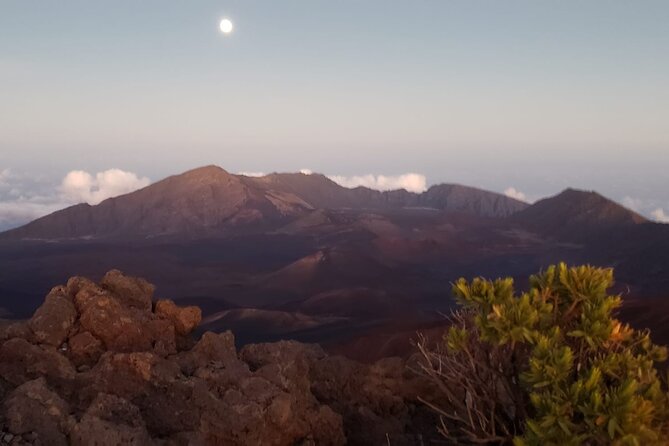
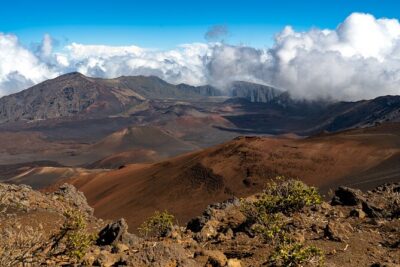
The main action begins at Haleakalā National Park, where you drive up into the crater area for sunset. This is not just a scenic pull-over; it’s a guided look at how the volcano shaped Maui, plus a chance to see the crater itself.
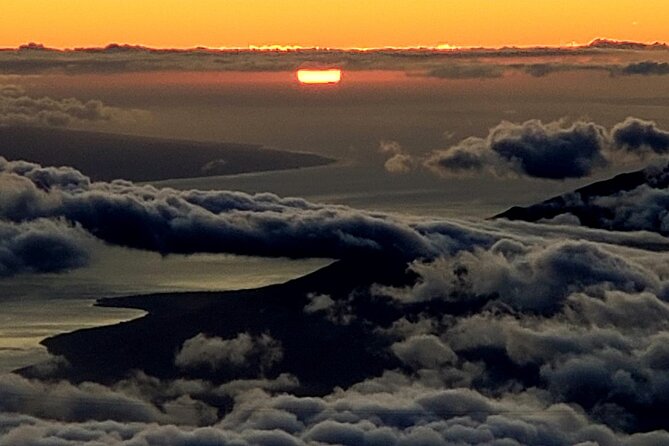
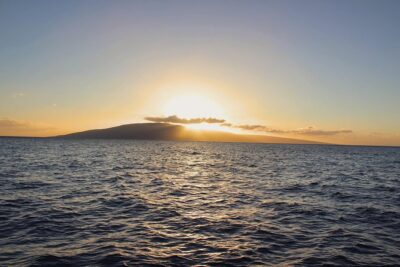
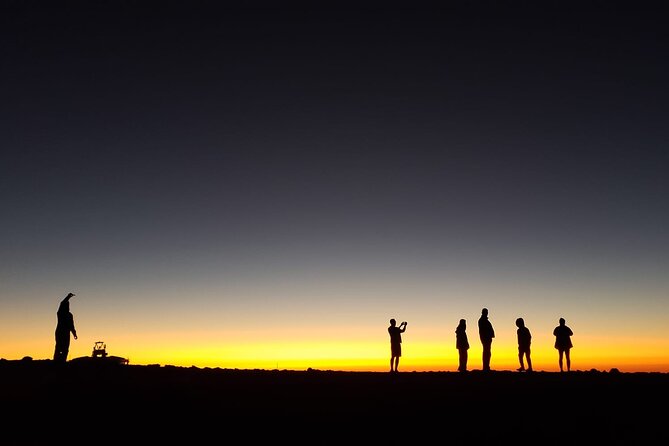
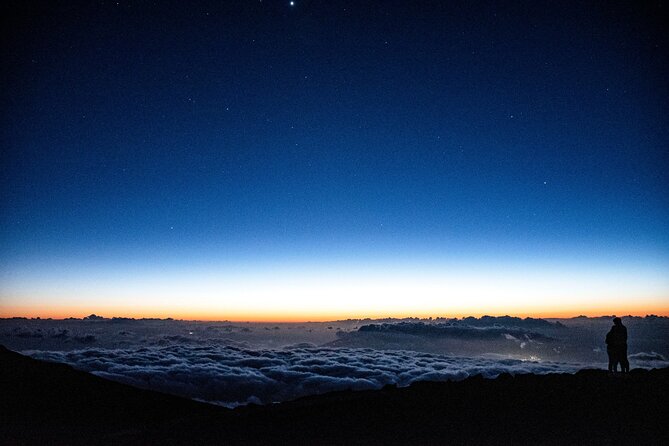
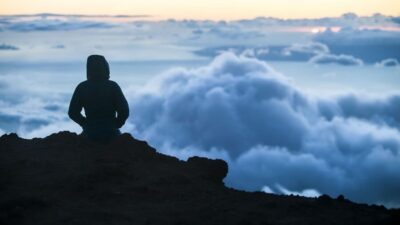
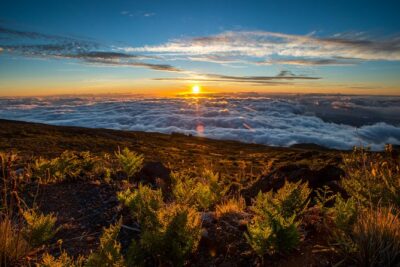
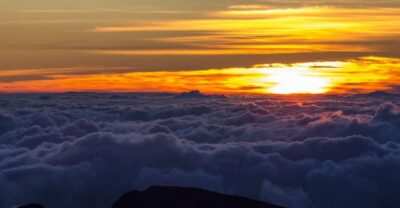
One of the most memorable parts is the way the sky can change as clouds move through. At times, the sunset is visible from above the cloud layer, which turns the horizon into a moving curtain. That kind of perspective is hard to recreate on your own.
You’ll also get an education that’s grounded in place. Expect explanations tied to the park’s unique flora and fauna—plants and animals that have adapted to an environment most visitors never reach. It makes the sunset feel earned, because you’re understanding what you’re seeing rather than just taking photos.
Amazing Maui Stars Astronomy: Telescopes, Binoculars, and What You Can See
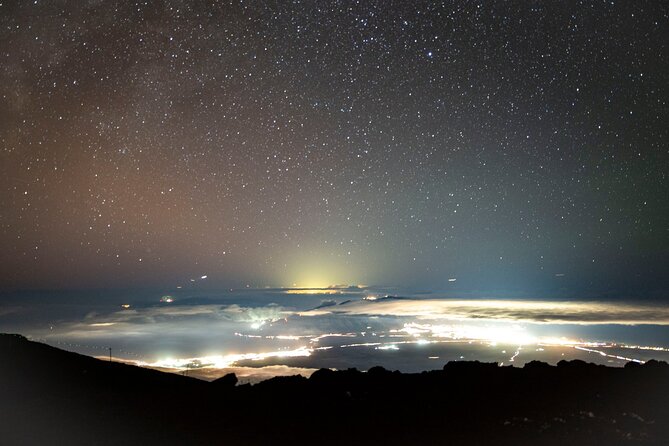
Once the sun is down, the tour flips from volcano views to astronomy. You’ll set up telescopes at the best viewing spot for “Amazing Maui Stars,” with the goal of showing you the sky from the highest and clearest area on Maui.
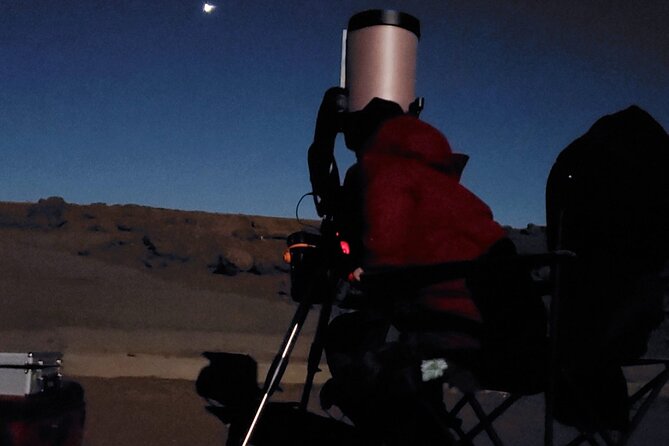
Telescopes are included, and so are binoculars. That combo is a big deal: binoculars help you scan quickly for interesting patterns, while the telescope is where you get those up-close views.
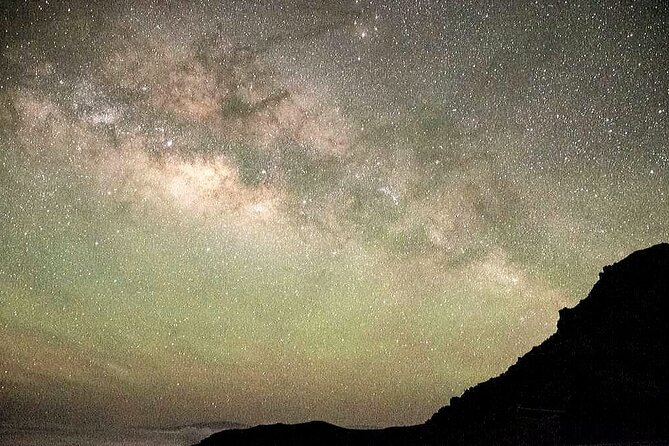
From the experiences people describe, the night sky can include views of the moon and major planets such as Jupiter and Mars, along with star fields and the Milky Way. If you’ve only seen stars from back home, the scale here can feel unreal—especially because you’re away from town lights.
Also watch for how the guide handles the “how do I look at this?” part. Several people highlight that phone photography tips were offered, and that the guide helped them aim and compose in the dark. If you want better star and planet photos, this is the moment to ask for help rather than guessing.
Comfort at 10,000 Feet: Warm Gear, Chairs, and Hot Drinks
Haleakalā’s summit weather is the silent star of the show. It can be windy, and it can be cold enough that you’ll feel it in your hands and ears if you show up lightly dressed.
The tour handles that by providing warm outerwear. People commonly mention parkas, gloves, and even ski-style pants being supplied, plus cozy seating. Chairs are included, which matters more than it sounds—standing still for a long star session gets old fast.
Hot drinks are part of the package: coffee and/or tea, plus hot chocolate. That’s not just a nice touch; it helps you stay comfortable enough to actually watch what the guide is showing you.
If you get cold easily, this tour is built for you. I like that the comfort is planned into the experience, not added as an optional extra. You’ll spend less energy managing your body and more energy noticing the sky.
Stop-by-Stop Flow: What Happens During the 4 Hours at the Park
Here’s what the park portion generally feels like, step by step.
First, you arrive at the national park area and start with the volcano story. You’ll learn Maui’s geology and hear about how the environment works at the summit, including the park’s distinctive plant and animal life.
Next comes the crater and sunset. This is your main visual moment: the view of Haleakalā under changing light, with chances for scenery above the clouds. Expect a setup that’s meant for watching, not wandering.
Then the night shift begins. You’ll transition into stargazing, using telescopes and binoculars. This is when the guide points things out and helps you connect the stars to what you’re actually seeing in real time.
Finally, the group heads back down to the starting area. That end matters because everyone’s tired after the altitude night. You’re not stuck trying to self-navigate in the dark.
A few more Maui experiences we would happily do again

Snacks and Dinner Planning When Food Is Not Included
Dinner is not included, so you should bring your own snacks and a boxed dinner or sandwich. The way this is handled is worth thinking about in advance.
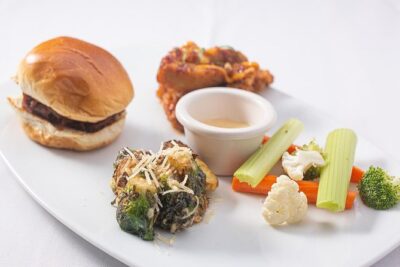
If you have food allergies or strict dietary needs, bring what you can eat. While people describe warm, simple food being provided at times (like soup or chili and rice), the tour’s clear rule is that you’re responsible for dinner. That’s especially important if your needs are complex.
A practical approach: pack food that’s easy to eat without reheating and that won’t be a hassle in the cold. You’ll likely want to eat earlier or during breaks rather than waiting until the drive back.
Hot drinks are covered, but they shouldn’t be treated like a full meal. Come ready with snacks so you can focus on the view, not on hunger.
Price and Value at $235: What You’re Paying For
At $235 per person, it’s not a budget tour. But the value comes from the combination of three things you usually can’t easily assemble yourself:
1) A summit-level guided experience at about 10,000 feet during night conditions.
2) Equipment support (telescope and binoculars) plus chairs and warm outerwear.
3) A small-group guide-led night, designed for viewing rather than rushing.
If you’ve ever tried to do Haleakalā stargazing independently, you know the hard parts aren’t only the telescope—they’re weather windows, timing, and knowing what to look for. This tour bundles those needs into one plan.
One more value point: the guide’s role. People consistently describe the guide as attentive, safety-minded, and focused on making sure you actually see things through the telescope. That’s worth paying for because the star show only works if you’re set up right.
Who Should Book, and Who Should Rethink It
This tour works for many people. “Most travelers can participate,” and the comfort setup (chairs, warm gear) makes it easier to enjoy without intense hiking.
It’s a strong fit for you if:
- you want a sunrise-style dramatic view, but actually at sunset and then into the stars
- you like short, high-impact learning moments about geology and local life
- you want help seeing planets and the Milky Way rather than guessing
You should rethink it if:
- you have sinus congestion, since descending from altitude can be painful
- you recently had a scuba dive, because the altitude element is not recommended
It’s also partly a nighttime experience at altitude, so come ready for an evening outdoors even if you’re on vacation.
One last note: service animals are allowed, so you can plan with that in mind.
Weather Reality Check: High Winds Can Change the Plan
This experience requires good weather. If conditions are poor—high winds have been a reason—the tour may be canceled and you’ll be offered a different date or a full refund.
I suggest you keep your schedule flexible around the booking. When the sky is the product, it’s always smart to expect a plan B. The good news is the tour is set up to respond to weather issues, and the focus stays on getting you the best possible night.
Should You Book This Haleakalā Sunset and Astronomy Tour?
If you want one ticket that delivers sunset drama, real astronomy viewing, and practical comfort at altitude, this tour is a strong choice. The small group size, provided warm gear, and included telescope time are the combo that makes it feel worth it.
Book it if you can handle cold and you’re excited by the idea of seeing Jupiter, Mars, the moon, and dense star fields through proper equipment. Skip it or talk to your doctor first if you have sinus issues or you’re coming off a recent dive.
If you’ve been weighing DIY stargazing versus a guided night, this leans toward guided help—with the payoff being exactly what you came for: Haleakalā at sunset and a sky that looks close enough to touch.
More Tours in Maui
- Maui Pineapple Farm Tour in Haliimaile
★ 5.0 · 2,855 reviews - Small-Group Road to Hana Adventure Tour with Pickup & Lunch
★ 5.0 · 2,637 reviews - Maui Eco-Raft Tour: Eye-Level Whale or Dolphin Watching – Lahaina
★ 5.0 · 2,482 reviews - Road to Hana Adventure Maui Tour with Lunch
★ 5.0 · 1,832 reviews - From Maalaea: Whale Watching Tour Aboard the Quicksilver
★ 4.5 · 1,461 reviews
More Tour Reviews in Maui
- Maui Pineapple Farm Tour in Haliimaile
★ 5.0 · 2,855 reviews - Small-Group Road to Hana Adventure Tour with Pickup & Lunch
★ 5.0 · 2,637 reviews - Maui Eco-Raft Tour: Eye-Level Whale or Dolphin Watching – Lahaina
★ 5.0 · 2,482 reviews - Maui Snorkeling Adventure to Molokini and Turtle Town
★ 4.5 · 2,221 reviews - Maui: Haleakala Sunrise Spectacular with Local Breakfast
★ 4.5 · 2,155 reviews
Haleakala After the Crowds Leave
- Maui: Haleakala National Park Sunrise Tour
★ 4.7 · 545 reviews - Maui: Sunrise & Breakfast Tour to Haleakala National Park
★ 4.4 · 170 reviews - Hana Rainforest and Haleakala Crater Helicopter Tour
★ 4.5 · 146 reviews - Haleakala Summit Best Self-Guided Bike Tour with Bike Maui
★ 4.5 · 107 reviews - Haleakala National Park with Breakfast and South Side Pickup
★ 5.0 · 80 reviews
More of Maui we have reviewed, from the crater to the coast
Haleakala Summit & Sunset Tours, compared.
 ★ 4.7Haleakala National Park Sunrise TourFrom $219545 reviews
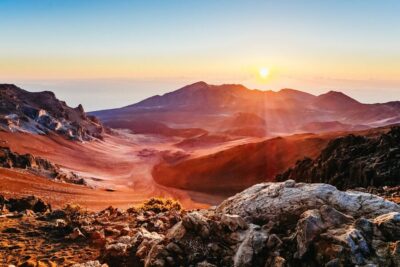 ★ 4.4Sunrise & Breakfast Tour to Haleakala National ParkFrom $254170 reviews
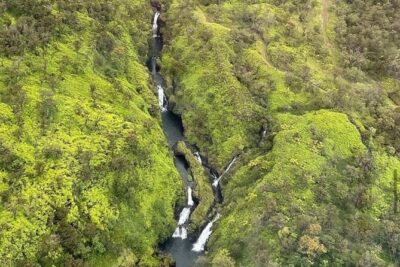 ★ 4.5Hana Rainforest and Haleakala Crater Helicopter TourFrom $332146 reviews
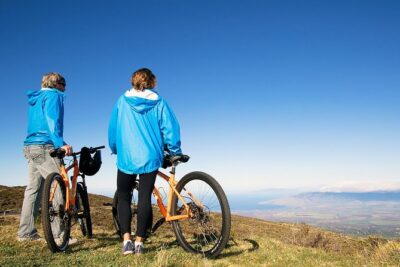 ★ 4.5Haleakala Summit Best Self-Guided Bike Tour with Bike MauiFrom $238107 reviews
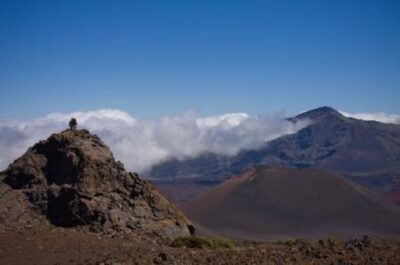 ★ 5.0Haleakala National Park with Breakfast and South Side PickupFrom $24080 reviews
 ★ 5.0Haleakala Crater Hiking ExperienceFrom $20870 reviews
 ★ 5.0Private Haleakala Summit & Stroll from Kahului67 reviews
 ★ 4.4Sunset & Dinner Tour to Haleakala National ParkFrom $24156 reviews
Browse the lists this tour appears in